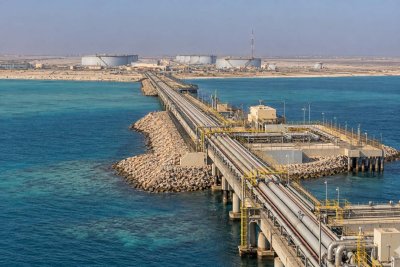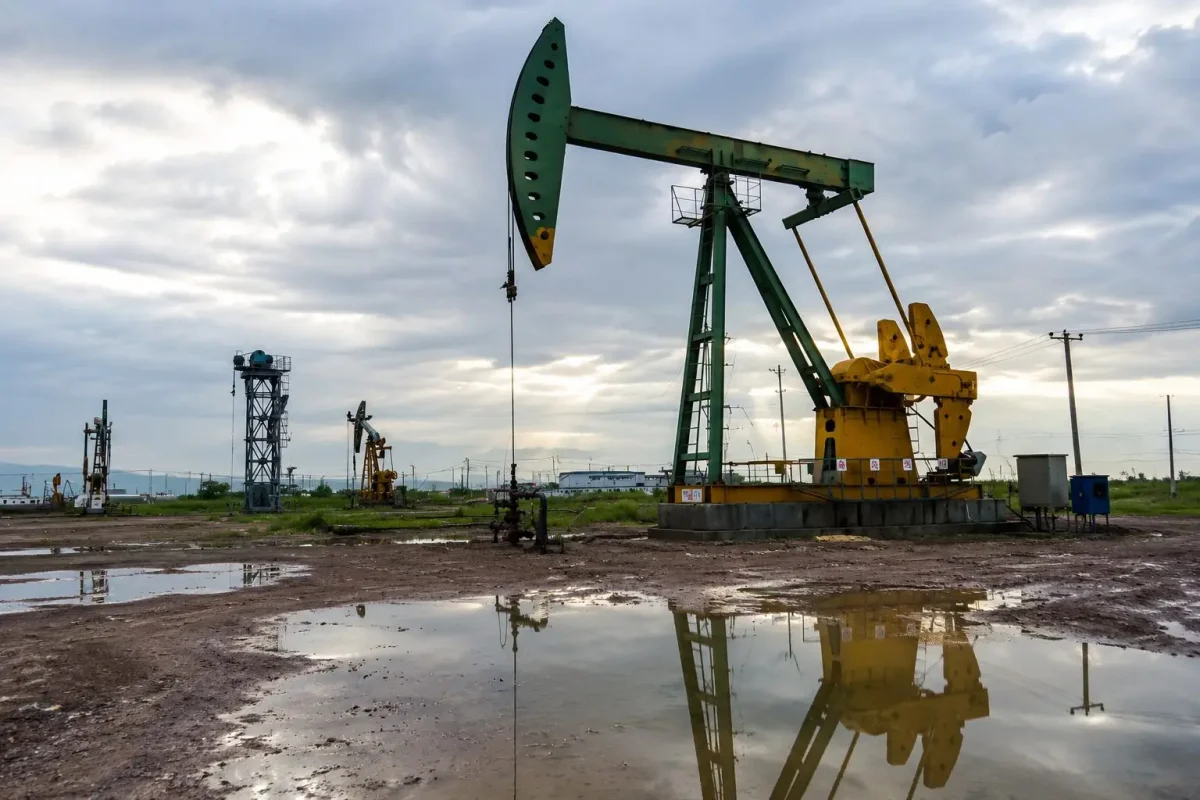
Oil prices remained elevated on Tuesday, with Brent crude hovering near $107 per barrel and West Texas Intermediate trading around $101. The rally is driven primarily by persistent supply threats rather than any notable demand surge, as geopolitical tensions and shipping bottlenecks continue to rattle markets.
Supply Disruptions Deepen
The latest price action stems from fading hopes for a swift resolution between the United States and Iran. Reuters reports that significant sticking points remain in negotiations, with Iran reiterating its stance on controlling the Strait of Hormuz—a chokepoint that handles roughly a fifth of the world's oil and LNG. Traders have responded by pricing in a heightened risk premium, which now compounds a tangible drop in production.
OPEC's crude output fell by 830,000 barrels per day in April, reaching just 20.04 million barrels per day—a level not seen in over two decades. This decline persists despite OPEC+ members' intentions to boost production, as quotas are rendered ineffective when tankers remain stuck in port.
Aramco Warns of Weekly Losses
Saudi Aramco CEO Amin Nasser characterized the issue as a shipping bottleneck rather than a structural supply problem. Speaking to analysts, Nasser noted that daily vessel traffic through the Strait of Hormuz has dropped to just two to five ships, down sharply from the typical 70. He estimated that this slowdown is costing the market roughly 100 million barrels per week, describing the situation as "demand rationing" rather than demand destruction.
Market Outlook Divided
Bulls argue that if disruptions persist and negotiations drag on, inventories will dwindle and replacement crude will be slow to materialize, potentially pushing Brent toward the EIA's second-quarter target of $115 per barrel. The agency's baseline assumes production shut-ins of 6.7 million barrels per day for May, even with a gradual resumption of traffic.
On the bearish side, the IEA now projects global oil demand will shrink by 80,000 barrels per day in 2026—a stark reversal from earlier growth forecasts—with a 1.5 million barrel per day decline expected in the second quarter. Higher prices are already cutting into consumption, particularly in aviation, petrochemicals, and price-sensitive Asian markets.
Prediction Markets See Slow Recovery
Betting markets are not optimistic about a quick resolution. Polymarket assigns just an 11% probability that Hormuz traffic normalizes by the end of May, rising to only 34% by June's close. On Kalshi, traders see a 41% chance of normalization before August, increasing to 50% before September. Oil rallies whenever talks stall, reinforcing the link between geopolitics and pricing.
Divergent Impacts on Energy Majors
The crisis is affecting energy companies unevenly. Roughly 20% of Exxon Mobil's output is tied to the Middle East, compared with less than 5% for Chevron. Exxon CEO Darren Woods told analysts that the market "hasn't seen the full impact" yet. Chevron, with less regional exposure, still benefited from higher upstream profits, though other divisions faced headwinds from accounting adjustments.
Tim Waterer at KCM Trade noted that a peace deal could knock $8 to $12 off prices, but escalating tensions could push Brent back above $115. The wide range underscores how much the value of a barrel now hinges on whether a single ship can clear a chokepoint.
Oil is functioning as a political instrument, with supply lines drawn in the margins of negotiations. Demand is beginning to soften, but the immediate question remains: are shipments even making it through? Until that clears up, any pullbacks are likely to attract buyers, though each price increase raises the risk of policymakers or consumers clamping down on consumption more aggressively.