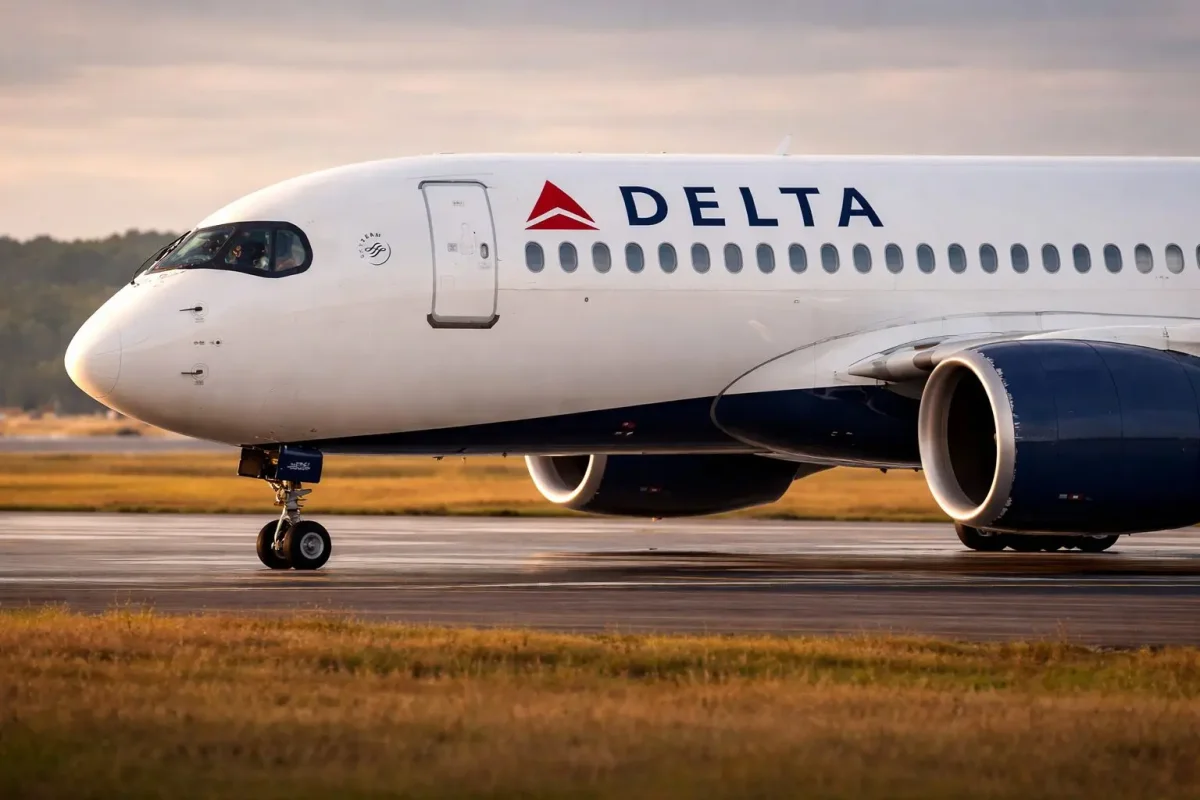
Shares of Delta Air Lines retreated in Tuesday trading, closing down roughly 1% at $59.98. The decline coincided with a sharp increase in jet fuel prices, which have risen following supply disruptions linked to ongoing conflict in the Middle East. This development introduces a significant headwind for the carrier, which began the year with an optimistic projection of approximately 20% earnings growth for 2026.
Fuel Expense Sensitivity and Operational Impact
According to a recent regulatory filing, Delta's operating costs are highly sensitive to fuel prices. Each one-cent rise per gallon in jet fuel translates to an additional $40 million in annual expenses. For context, fuel constituted 17% of the company's total operating costs in 2025. While Delta's ownership of the Monroe refinery provides a partial buffer—covering about 75% of its daily consumption—management acknowledges it remains exposed to underlying crude oil price volatility.
The broader airline sector felt similar pressure. United Airlines Holdings saw its stock drop around 2.5%, while American Airlines Group declined 1.4%. Southwest Airlines shares were largely unchanged. Industry analysts note that carriers with a strong focus on premium cabins and business travel, like Delta, may have more flexibility to pass increased costs to customers compared to airlines reliant on budget-conscious leisure travelers.
Analyst Perspectives on Margin Pressure
Wall Street analysts expressed concern over the potential for compressed profit margins. Morgan Stanley analyst Ravi Shanker observed that major U.S. airlines currently have limited fuel hedging strategies in place. Should elevated fuel costs persist, carriers will likely attempt to offset them through higher fares. TD Cowen's Tom Fitzgerald added that he sees little room for margin expansion this year unless energy prices see a substantial decline.
The resilience of Delta's business model is now under scrutiny. In January, Chief Executive Ed Bastian highlighted that consumer strength is concentrated "at the higher end of the curve." Notably, premium product sales, loyalty programs, and other non-ticket revenue streams now account for nearly 60% of Delta's total revenue, a factor that could help cushion the blow from rising operational costs.
Geopolitical Disruptions and Forward Guidance
Beyond the financial implications, Delta is contending with direct operational disruptions. The airline has extended cancellations for its New York-JFK to Tel Aviv route through March 22, with return flights suspended through March 23. The company's latest travel advisory indicates potential for continued disruptions involving Tel Aviv through the end of March.
The central risk for Delta and its peers is that persistently high fuel costs will necessitate fare increases substantial enough to suppress travel demand, rather than simply covering the added expense. Morningstar analyst Lorraine Tan cautioned that more expensive tickets could dampen leisure travel and potentially lead corporations to reduce business trips, despite Delta's relatively strong competitive position.
Delta is scheduled to present at the J.P. Morgan Industrials Conference in Washington on March 17, where management will likely address these updated cost challenges and their impact on the full-year outlook. The market will be watching closely for any revisions to the airline's previously stated guidance for March-quarter revenue growth of 5% to 7%.