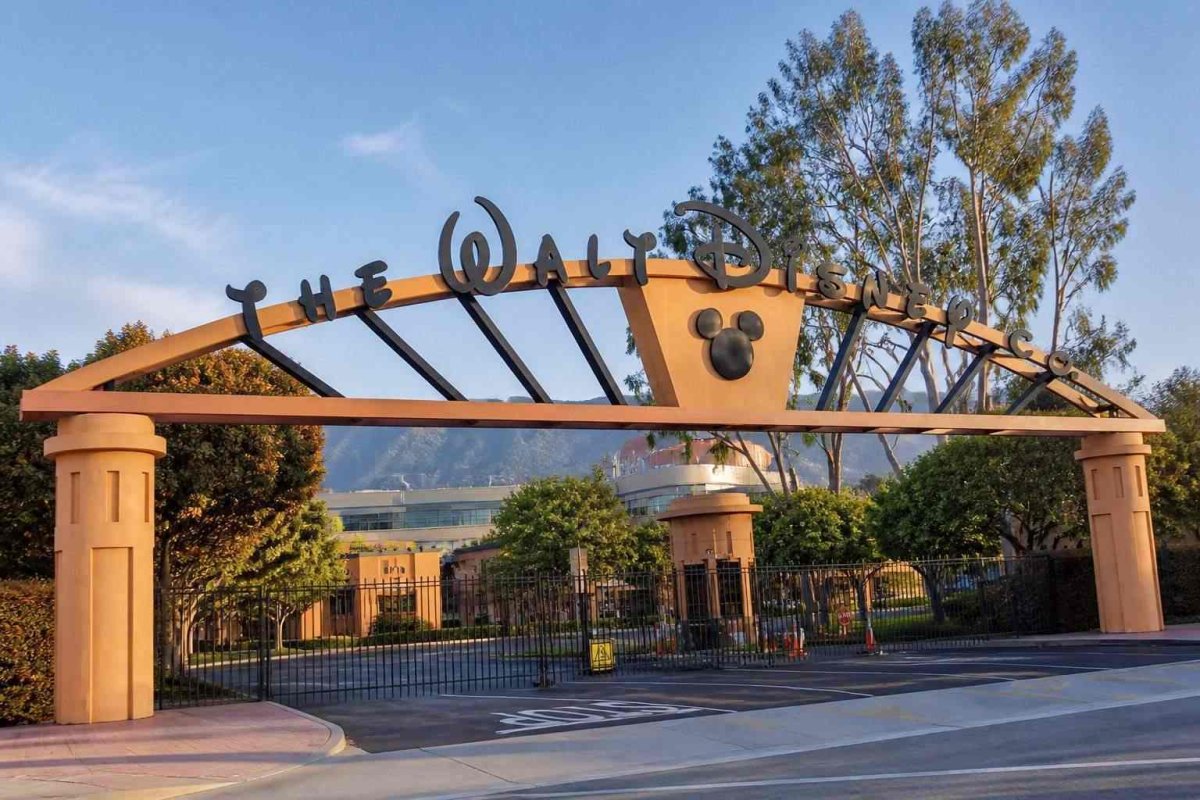
In the final trading session before the Independence Day break, shares of The Walt Disney Company (NYSE: DIS) climbed 3.96% on Thursday, closing at $99.50. However, for the holiday-shortened week, the stock managed only a 0.7% gain, underperforming the broader S&P 500, which advanced 1.8% over the same four trading days.
The lagging performance comes as investors weigh the impact of the latest Pixar installment, “Toy Story 5,” which has grossed $623.1 million worldwide and $335.3 million domestically, according to Box Office Mojo. The film debuted with $312 million globally and benefited from strong streaming interest—Disney reported that the first four Toy Story films accumulated over 60 million hours watched on Disney+ prior to the new release.
Despite the box office success, analysts point to Disney’s Experiences segment as the more critical driver of the equity story. In the fiscal second quarter, Experiences generated $9.49 billion in revenue and $2.62 billion in operating income, representing an operating margin of 27.6%. That compares with Entertainment’s 11.4% margin and Sports’ 14.1% margin. The segment accounted for 56.8% of total segment operating income and 37.7% of revenue, underscoring its outsized contribution to profitability.
Disney management addressed park demand in its May shareholder letter, noting that “current demand at our domestic parks and resorts is healthy,” but also acknowledging “the macroeconomic uncertainty consumers are facing today.” The letter was signed by Chief Executive Josh D’Amaro and CFO Hugh Johnston. The company also highlighted that its Entertainment SVOD business achieved double-digit operating margins for the first time in the fiscal second quarter, targeting at least 10% for the full fiscal 2026.
In a week filled with promotional activity, Disney announced on July 2 that “Disney Celebrates America” would be held across Walt Disney World, Disneyland, and through a 24-hour broadcast on its TV and streaming platforms. The following day, Disneyland Resort marked its one billionth guest, a milestone that underscores the enduring appeal of its theme parks.
Raymond James maintained its “outperform” rating on Disney but lowered the price target to $111 from $119 on July 2, according to MarketBeat. The revised target still suggests approximately 15.4% upside from Thursday’s close. The adjustment comes as the company targets roughly 12% adjusted EPS growth for fiscal 2026, excluding the impact of the 53rd week, and plans to execute at least $8 billion in share buybacks.
Competitors Netflix (NASDAQ: NFLX) and Comcast (NASDAQ: CMCSA) both outperformed Disney for the week, with Netflix advancing 5.2% and Comcast rising 2.7%. The S&P 500’s 1.8% weekly gain also left Disney behind, highlighting the market’s cautious stance on the media giant despite its summer blockbuster and strong parks momentum.
Looking ahead, Disney is set to release its live-action adaptation of “Moana” in the U.S. on July 10, which could provide another catalyst. For now, the stock remains just under the psychologically important $100 level, with traders watching for signs that both box office receipts and park visitation can sustain earnings growth in an uncertain economic environment.