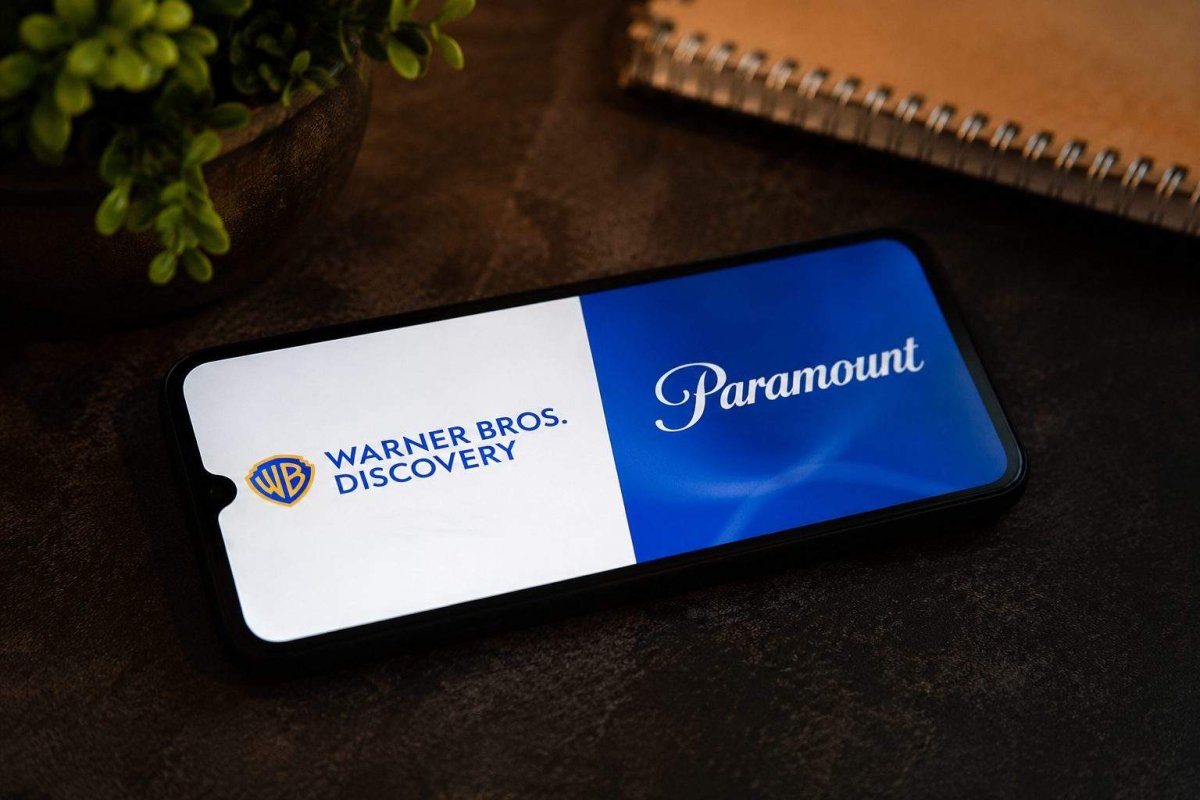
The U.S. Department of Justice's Antitrust Division has given the green light to Paramount Skydance's proposed $110 billion acquisition of Warner Bros. Discovery, concluding an eight-month federal review. This approval removes a significant U.S. regulatory obstacle, but the deal still faces scrutiny from state attorneys general, the Federal Communications Commission, and competition authorities in the United Kingdom and the European Union.
The transaction, which would combine media giants Paramount Pictures, Warner Bros., CBS, CNN, HBO Max, and Paramount+ under one umbrella, is one of the largest in Hollywood history. The DOJ concluded that the merger is unlikely to harm competition in streaming, linear television, or film production and distribution. The division reviewed over 2 million documents from more than 80 custodians, alongside extensive data and industry feedback, before reaching its decision.
Paramount argued that merging its streaming service, Paramount+, with Warner Bros. Discovery's HBO Max and Discovery+ would create a stronger competitor to dominant players like Netflix and Disney+. The DOJ agreed, noting that the combined entity would still face significant competition from Disney, Sony, Universal, Lionsgate, Amazon MGM, A24, Apple, and others in film, as well as robust competition in live sports, news, and political programming on traditional TV.
However, the deal is not yet final. The U.K.'s Competition and Markets Authority is reviewing the merger and has until August 7 to decide whether to launch an in-depth investigation. The European Commission is also examining the deal, including under foreign subsidy rules due to financial backing from Gulf sovereign wealth funds. In the U.S., the FCC is reviewing a petition related to foreign interests in the deal's debt structure, with some Democratic senators raising concerns about Middle Eastern sovereign wealth funds and Chinese tech giant Tencent. Paramount has stated that any new foreign investors would receive non-voting equity and would have no role in editorial decisions.
The most significant potential U.S. hurdle may come from state-level opposition. Attorneys general from California, New York, and several other states have been considering a lawsuit to block the merger. California Attorney General Rob Bonta has confirmed that his office continues to review the proposed combination.
Paramount and Warner Bros. Discovery have set a target to close the deal in the third quarter of 2026. According to the Associated Press, if the merger is not completed by September 30, Paramount will be required to pay shareholders a $7 billion breakup fee, adding urgency for the companies to navigate the remaining regulatory reviews.
Supporters of the merger argue that it will create a more competitive streaming platform and drive innovation in content creation. Critics, however, warn that the combined scale could lead to significant job cuts, reduce the number of outlets for creative works, and limit diversity in film and television storytelling.
Investors are closely watching the timeline, as the $7 billion termination fee adds a layer of risk. The successful completion of this deal would reshape the media landscape, but the path forward remains fraught with regulatory and legal challenges.