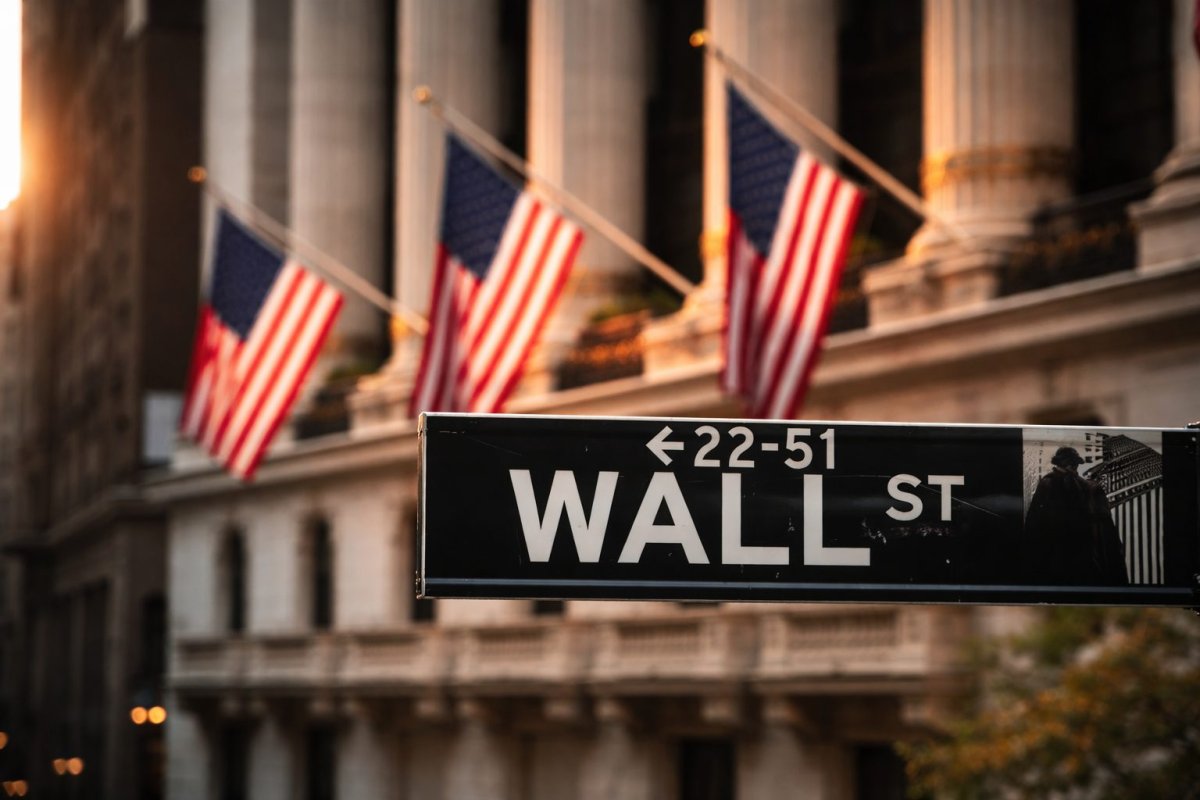
The U.S. equity market concluded a difficult week with a pronounced sell-off on Friday, March 28, 2026, driving the Dow Jones Industrial Average into a technical correction. The benchmark index closed down 793.47 points, or 1.73%, at 45,166.64, marking a decline of more than 10% from its recent peak. This downturn capped a fifth consecutive week of losses for major averages, with the S&P 500 falling 1.67% to 6,368.85 and the Nasdaq Composite dropping 2.15% to 20,948.36. All three indices settled at their lowest closing levels in over seven months.
Tech and Consumer Stocks Bear the Brunt
Technology megacaps and consumer discretionary shares led the market lower. Chipmaker Nvidia closed the session down 2.2%, while e-commerce giant Amazon slid 4%. Cruise operator Carnival slumped 4.3% after revising its full-year adjusted profit forecast lower. For the week, the S&P 500 and Dow each retreated approximately 2%, while the Nasdaq suffered a steeper 3.2% decline. The Nasdaq entered correction territory on Thursday, with the Dow following suit a day later, accelerating a retreat that has gained momentum heading into the end of the first quarter.
Geopolitical Tensions Fuel Market Anxiety
The primary catalyst for the week's volatility was a sharp spike in global oil prices, driven by escalating tensions in the Middle East related to the Iran conflict and ongoing risks to shipping through the critical Strait of Hormuz. Brent crude has surged over 50% since the onset of hostilities, with analysts warning prices could push significantly higher, potentially approaching $200 per barrel if Iran's export infrastructure sustains damage. Concurrently, the yield on the benchmark 10-year U.S. Treasury note pushed past 4.4%, reflecting heightened inflation concerns and shifting expectations for Federal Reserve policy. Futures traders have now largely priced out expectations for any interest rate cuts this year, a stark reversal from the two cuts anticipated before the recent fighting began.
Market sentiment received a further blow from deteriorating economic data. The University of Michigan's final March reading showed consumer sentiment falling to 53.3, down from 56.6 in February. More concerning for policymakers, one-year inflation expectations ticked higher to 3.8% from 3.4% previously. Gus Faucher, chief economist at PNC Financial, warned that consumers might "throw in the towel" if gasoline prices continue to climb and equity markets fail to recover.
Analysts Weigh In on the 'Fog of War'
Market strategists described an environment fraught with uncertainty. Doug Beath of Wells Fargo Investment Institute likened the relentless stream of geopolitical and economic data to the "fog of war." Jim Baird from Plante Moran Financial Advisors noted he does not expect stocks to shake off their "headline-driven" volatility anytime soon, suggesting stability will remain elusive until investors receive clear confirmation that hostilities are de-escalating.
Despite the palpable anxiety, a definitive market capitulation has not yet materialized. Data from LSEG indicates S&P 500 companies are still on track for first-quarter earnings growth of around 14%. Krishna Chintalapalli, a portfolio manager at Parnassus Investments, observed that U.S. corporations are "becoming more resilient to geopolitical risks," a dynamic that leaves investors caught between a backdrop of solid corporate profits and the mounting pressures of higher energy costs and tighter financial conditions.
Looking Ahead to Key Data
The immediate focus for markets shifts to the upcoming March employment report. Economists surveyed by Reuters anticipate nonfarm payrolls to increase by 55,000, with the unemployment rate holding at 4.4%. The data is scheduled for release on April 3; however, U.S. markets will be closed in observance of Good Friday. James Ragan, director of wealth management research at D.A. Davidson, suggested that "any positive number" could provide a lift to a market that has appeared sluggish heading into the quarter's end.
Ultimately, energy prices remain the critical wild card for the economic and market outlook. While the surge in oil presents a clear inflationary headwind and threat to consumer spending, analysts note that any tangible progress toward a diplomatic resolution with Iran would likely boost market confidence. For now, investors are navigating a landscape defined by crosscurrents of robust earnings and significant macroeconomic uncertainties.