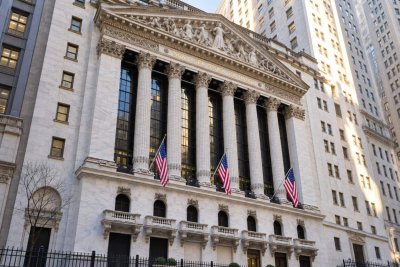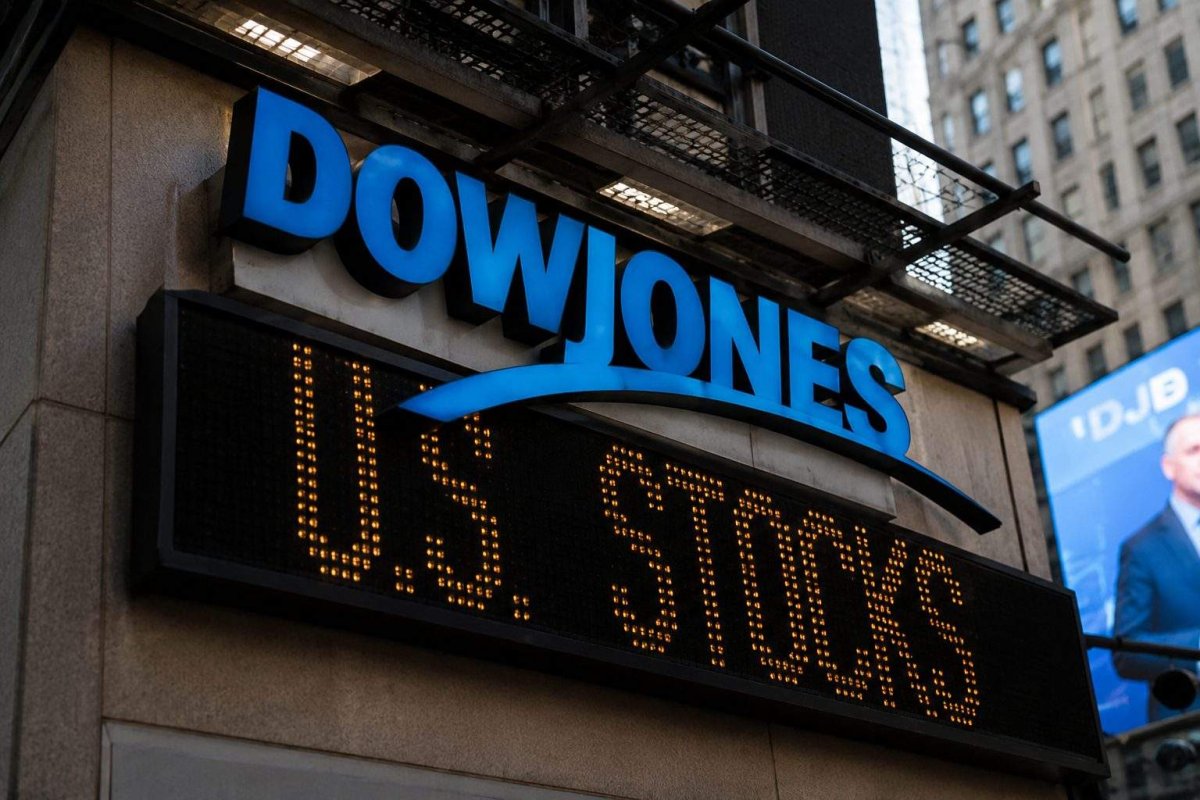
The Dow Jones Industrial Average achieved a new all-time high on Thursday, closing at 50,285.66, a gain of 276.31 points or 0.55%. The broader market showed mixed performance, with the S&P 500 adding 0.17% to 7,445.72 and the Nasdaq Composite edging up 0.09% to 26,293.10. The day's trading was marked by a late-session turnaround as oil prices retreated and investors found some relief that U.S.-Iran negotiations had not collapsed.
IBM Leads Charge on Quantum Computing News
International Business Machines (IBM) was the standout performer, surging 12.4% after the company and the U.S. Department of Commerce announced a letter of intent for Anderon, a new quantum-chip foundry. The project is backed by a proposed $1 billion CHIPS award and a matching $1 billion cash investment from IBM. Quantum computing, which uses machines designed to solve certain problems far faster than classical computers, remains an early-stage but technically challenging field. IBM CEO Arvind Krishna stated that the company's wafer-fabrication work would be "critical to enable a broader quantum technology landscape." Commerce Secretary Howard Lutnick added that the investments would advance U.S. quantum capability and create high-paying jobs.
The news also lifted other companies tied to quantum technology. GlobalFoundries rose 14.9%, D-Wave Quantum gained 33.4%, Rigetti Computing jumped 30.6%, and Infleqtion added 31.5%, as federal backing for quantum firms buoyed the sector.
Tech Sector Shows Mixed Results
Despite the positive sentiment around quantum computing, the broader tech sector did not provide a uniform boost. Nvidia (NVDA) fell 1.8% even after forecasting stronger-than-expected quarterly revenue and announcing an $80 billion share-repurchase program. Some investors appeared to take profits, and there were concerns about increasing competition from Intel and Advanced Micro Devices.
Oil Prices Decline Amid U.S.-Iran Talks
Oil prices experienced a volatile session, ultimately settling lower. Brent crude fell 2.3% to $102.58 a barrel, while U.S. West Texas Intermediate dropped 1.9% to $96.35. Earlier in the day, oil had surged after a Reuters report indicated that Iran's supreme leader had hardened his stance on enriched uranium, a key U.S. demand in negotiations. However, prices reversed by the close as signs emerged that talks had not broken down, alleviating some pressure on equities.
Walmart Falls on Cautious Outlook
Retail giant Walmart (WMT) slid 7.3% after maintaining a conservative full-year outlook and warning that high fuel costs were weighing on consumers and its own delivery operations. The company's caution dragged down the consumer staples sector, which fell 1.6%, with Casey's General Stores and Costco also declining in sympathy. Walmart CFO John David Rainey noted that if the elevated cost environment persisted, the company would expect "somewhat higher retail price inflation" later this year. He also highlighted that the average fuel fill-up at Walmart gasoline stations fell below 10 gallons for the first time since 2022, signaling household financial strain.
Economic Data Points to Resilient Labor Market
Economic data released on Thursday gave the Federal Reserve little reason to rush on monetary policy. Jobless claims fell last week, indicating a still-resilient labor market, and U.S. manufacturing activity rose to a four-year high in May as firms built inventories to hedge against potential shortages and price increases related to the Iran conflict.
Market Risks Remain
While the Dow's record close was a positive signal, market participants remain cautious. The same headlines that boosted stocks late Thursday could quickly turn negative. Talks with Iran remain fragile, with Reuters reporting that uranium enrichment and control of the Strait of Hormuz are still sticking points. A renewed spike in oil prices could weigh on consumer spending, keep inflation elevated, and pressure hopes for interest rate cuts.
For now, buyers had enough momentum to push the Dow to a fresh closing high. The broader market was positive but not runaway: advancing stocks outnumbered decliners on both the NYSE and Nasdaq, while total U.S. exchange volume was 17.67 billion shares, below the 20-session average of 18.57 billion.