The Dow Jones Industrial Average reached a new all-time high on Friday, closing at 50,579.70, up 294.04 points or 0.6%. The S&P 500 rose 27.75 points to 7,473.47, and the Nasdaq Composite added 50.87 points to end at 26,343.97. Traders attributed the gains to progress in U.S.-Iran negotiations and a strong earnings season.
The S&P 500 recorded its eighth consecutive weekly gain, the longest such streak since December 2023. Investors are closely monitoring the rally as they assess the costs associated with the Iran conflict, recent changes at the Federal Reserve, and a decline in U.S. consumer sentiment.
Stocks steadied after Secretary of State Marco Rubio indicated progress in talks with Iran, though he cautioned that 'more work is to be done' and 'We're not there yet.' Iran's foreign ministry spokesman acknowledged that key differences remain significant. The Dow set an intraday record of 50,712.24, its first high since the onset of the U.S.-Iran conflict. Art Hogan of B. Riley Wealth noted that markets appear to be gaining confidence as negotiations advance, pointing to a potential 'off-ramp' from the war.
Nine of the 11 S&P 500 sectors advanced, led by healthcare, utilities, industrials, and technology. Communications and consumer staples declined. In corporate news, Dell Technologies surged 17% and HP gained 15% after Lenovo reported a 27% revenue increase that exceeded expectations, signaling sustained demand for PCs and hardware.
Chip stocks showed mixed performance. Qualcomm jumped 12%, helping lift the Philadelphia Semiconductor Index. However, Nvidia slipped 1.9%, an unusual move for the chipmaker that has been a leader in technology gains this year. Workday climbed 5% after the HR software provider beat first-quarter revenue and earnings forecasts. Estée Lauder added 12% after ending merger discussions with Spain's Puig.
Treasury yields eased, providing support for equities. The 10-year U.S. Treasury yield fell to 4.558%. James St. Aubin, chief investment officer at Ocean Park Asset Management, described the bond market as 'cooling off.'
The rally has underlying concerns. U.S. consumer sentiment dropped to a record low in May, according to the University of Michigan survey, as households felt the impact of high gasoline prices linked to the Iran war. 'American consumers are angry about the economy,' said Heather Long, chief economist at Navy Federal Credit Union. The survey also showed one-year inflation expectations at 4.8% and five-year expectations at 3.9%, which could complicate the Fed's policy if energy costs spill over into other prices.
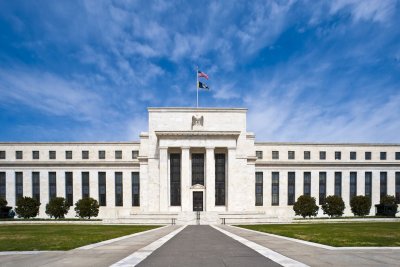
Despite the record close, U.S. equity funds experienced $12.05 billion in net outflows during the week ended May 20, the largest withdrawal since mid-March, as some investors locked in profits and worried about rising long-term borrowing costs. Kevin Warsh was sworn in as Federal Reserve chair on Friday and received unanimous backing to lead the Federal Open Market Committee, taking the helm as traders assess whether energy and supply-driven inflation will keep monetary policy tight.
Market breadth remained positive. On the New York Stock Exchange, advancing issues outnumbered decliners by a ratio of 1.68-to-1. The S&P 500 recorded 29 new 52-week highs and no new lows.