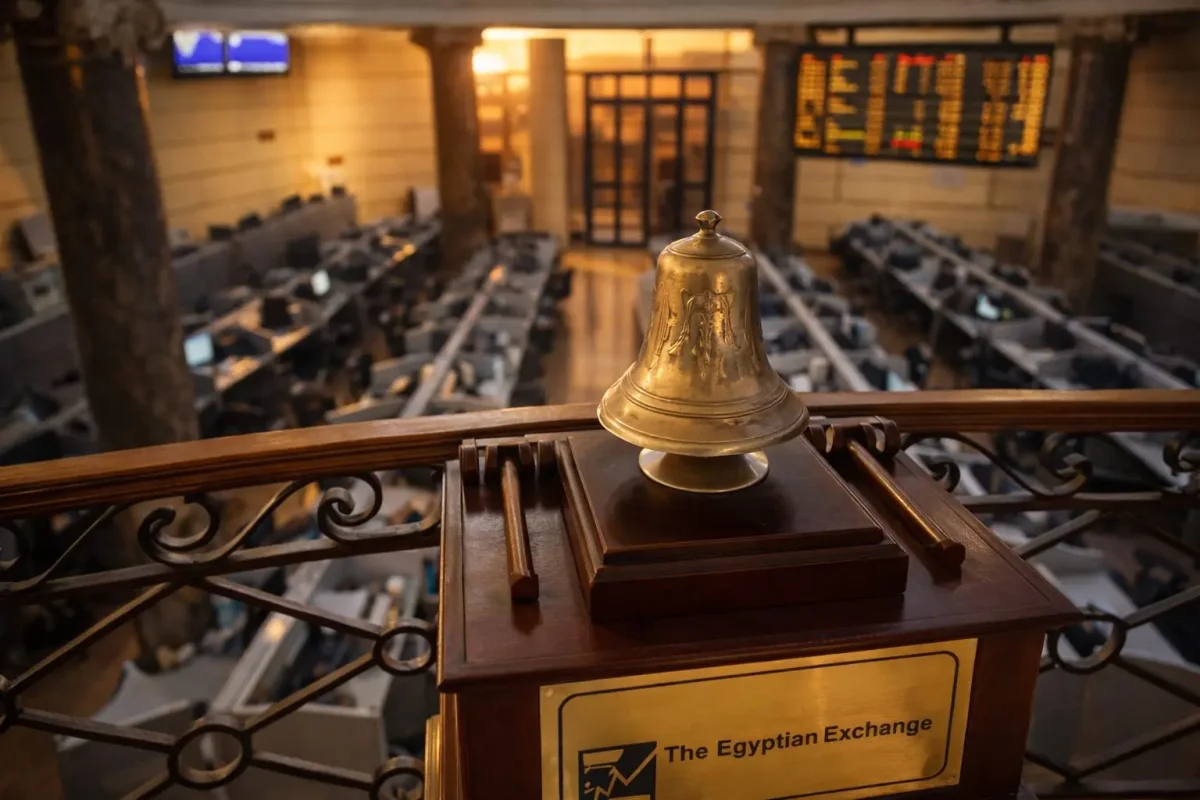
The Egyptian Exchange (EGX) entered a new era of financial sophistication on Sunday with the launch of futures contracts tied to its benchmark EGX30 index. This historic move represents the first listed derivatives product on Egypt's capital markets, providing institutional and sophisticated investors with enhanced risk management tools and speculative opportunities. The debut comes at a pivotal moment for Egyptian equities, which faced significant selling pressure during the same session.
Market Context and Futures Specifications
The newly launched futures contracts will be available in three- and six-month durations, with expiration set for the third Wednesday of the contract month. Settlement will occur in cash on the following business day (T+1), with each index point valued at one Egyptian pound. At current index levels, this translates to approximately 47,600 Egyptian pounds per single contract. Trading will follow the cash market schedule, with adjustments for shorter hours during the holy month of Ramadan.
Exchange Chairman Islam Azzam confirmed that the Financial Regulatory Authority has granted full approval for the futures market launch. Contracts will be cleared through a central counterparty system, with settlement handled by Taswyaat and trading conducted on a platform developed by the Egyptian Exchange Information Dissemination Company (EGID). Azzam indicated that single-stock futures and additional index contracts are planned for future rollout.
Concurrent Market Volatility
The derivatives launch coincided with substantial weakness in Egypt's cash equity markets. By mid-morning Sunday, the EGX30 index had tumbled 3.29% to 47,591.58 points. The sell-off extended across broader market measures, with the EGX70 index sliding 4.58% and the EGX100 EWI declining 4.30%. This volatility reflects ongoing regional risk concerns, including geopolitical tensions between the U.S. and Iran that have recently pressured Gulf stocks and contributed to Egyptian market weakness.
Analysts suggest that initial futures trading volumes may remain modest as market participants familiarize themselves with the new product. However, the leverage inherent in futures contracts means that even minor price movements could generate amplified profits or losses, potentially increasing market volatility during this introductory phase.
Corporate Earnings and Developments
Amid the broader market turbulence, Telecom Egypt reported exceptional 2025 financial results. The telecommunications giant announced that net profit more than doubled to 22.6 billion Egyptian pounds, while revenue climbed 31% to 106.7 billion pounds. Managing Director and CEO Tamer El Mahdi attributed the performance to "growth ahead of expectations—validating our strategy and disciplined execution." The board proposed a cash dividend of 1.50 pounds per share, pending shareholder approval. Despite these strong results, Telecom Egypt shares declined 2.31% to 90.65 pounds during the session.
In other corporate news, Commercial International Bank received central bank authorization to begin due diligence on HSBC's retail banking portfolio in Egypt. The bank emphasized that this preliminary step does not guarantee a final transaction. CIB shares fell 3.15% to 129.30 pounds during mid-session trading.
Macroeconomic Backdrop and IMF Support
The futures market debut occurs against a backdrop of significant macroeconomic developments. Last week, the International Monetary Fund announced the completion of program reviews, clearing Egypt to access approximately $2.3 billion in funding. The IMF stated that "Egypt's macroeconomic situation has improved amid sustained stabilization efforts," while noting uneven progress on structural reforms. This financial support provides crucial foreign exchange reserves and supports the government's economic stabilization program.
Market participants are also awaiting the release of Egypt's Purchasing Managers' Index (PMI) for February, scheduled for publication by S&P Global at 05:15 UTC on March 3. This private-sector activity gauge, where readings above 50 indicate expansion, often influences market sentiment during low-liquidity trading periods.
Trading Structure and Market Hours
Egypt's trading week operates from Sunday through Thursday, with a pre-open session beginning at 09:30 a.m. local time. The continuous trading session runs from 10:00 a.m. until 14:15, followed by a closing price discovery window. This structure, detailed in the EFG Hermes trading guide, applies to both cash and the newly launched futures markets.
The introduction of derivatives represents a significant milestone in the development of Egypt's capital markets, potentially attracting increased foreign investment and providing local institutions with sophisticated hedging instruments. However, the simultaneous equity market decline underscores the challenging environment in which this innovation is launching, balancing long-term structural improvements against short-term market pressures.