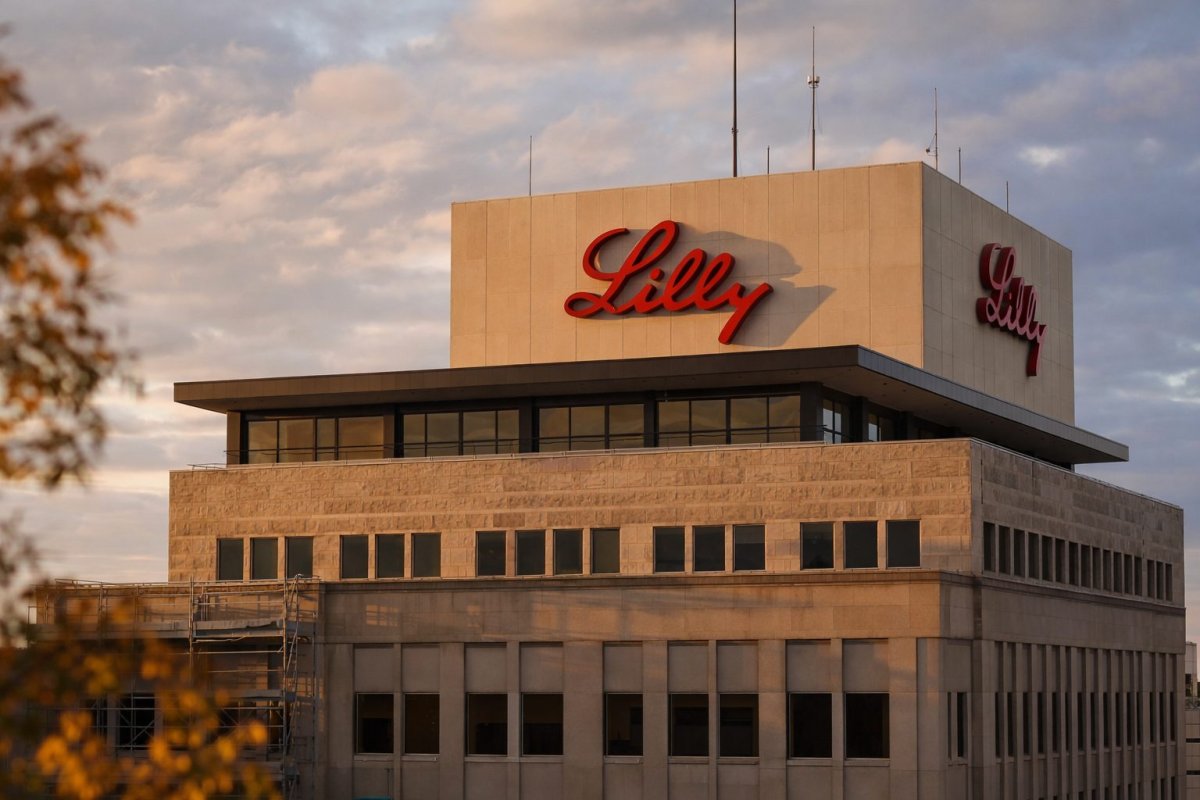
Eli Lilly and Company (LLY) began the week of March 29, 2026, by announcing a significant expansion of its research pipeline through a new artificial intelligence-driven partnership. The pharmaceutical giant secured a global licensing and research collaboration with Hong Kong-based Insilico Medicine, an agreement that could be valued at up to $2.75 billion. The deal grants Lilly exclusive rights to develop, manufacture, and commercialize a portfolio of Insilico's preclinical oral drug candidates targeting specific, undisclosed disease areas.
Deal Terms and Strategic Focus
Under the terms disclosed, Lilly will provide an upfront payment of $115 million to Insilico. The remaining substantial value of the deal is contingent upon the achievement of future development, regulatory, and commercial milestones, in addition to royalties on any eventual product sales. It is important to note that the compounds involved have not yet entered human clinical trials. This move is seen as a strategic effort by Lilly to demonstrate that its growth prospects extend well beyond its currently dominant weight-loss and diabetes medications, such as Zepbound and Mounjaro.
Positive Late-Stage Clinical Data
Separately, Eli Lilly released promising late-stage trial results on March 28. The data showed that adults with psoriatic arthritis who were treated with a combination of Taltz (ixekizumab) and Zepbound (tirzepatide) experienced significantly better outcomes than those receiving Taltz alone. The study focused on patients with the joint disease who also had obesity or were overweight. A key metric revealed that 31.7% of participants on the dual therapy achieved both a reduction of at least 50% in disease activity and a 10% loss in body weight, compared to just 0.8% in the monotherapy group.
Dr. Philip Mease, who led the research at the Swedish Medical Center, characterized the findings as demonstrating "meaningful, broad improvements." Adrienne Brown, president of Lilly Immunology, highlighted patient-reported benefits, including reduced fatigue and greater physical function.
Additional Pipeline and Regulatory Updates
Further bolstering its immunology portfolio, Lilly reported that its eczema treatment, Ebglyss (lebrikizumab), maintained a durable response in a long-term extension study, with patients experiencing itch relief sustained out to four years. This data adds strength to an already approved therapy. The company is concurrently awaiting a U.S. Food and Drug Administration decision on its oral obesity drug candidate, orforglipron, which is anticipated in early second quarter of 2026. CFO Lucas Montarce recently stated the candidate remains "on track in the US" for a potential launch shortly after approval.
Competitive and Market Pressures
The competitive landscape in the obesity drug market intensified earlier in March when rival Novo Nordisk (NVO) launched the first oral GLP-1 medication for weight loss in the United States. Lilly's own oral candidate, orforglipron, remains in development. Meanwhile, Wall Street analysts have begun to temper peak sales estimates for the obesity drug sector, citing emerging pricing pressures in the U.S. market. This sentiment was echoed by Jefferies analyst Michael Leuchten in February.
On the legal front, Lilly filed a petition with the U.S. Supreme Court on March 27, seeking a review of a whistleblower case related to a $183 million Medicaid rebate ruling.
Financial and Trading Context
Eli Lilly's shares closed the previous trading session on Friday, March 28, at $878.24, reflecting a decline of 2.1% for the day. This placed the stock more than 22% below its peak from January 8. The broader market also faced headwinds, with the S&P 500 index sliding 1.67%. During the session, Lilly's performance lagged behind other major healthcare peers including Johnson & Johnson (JNJ), Pfizer (PFE), and AbbVie (ABBV). Despite the recent dip, the company's market capitalization remains substantial at approximately $686 billion.
The partnership with Insilico represents a forward-looking investment in early-stage AI-discovered assets, contrasting with Lilly's established commercial products like Taltz, Zepbound, and Ebglyss which are already on the market. This dual approach of advancing late-stage candidates while seeding future innovation underscores Lilly's strategy to maintain its growth trajectory amid increasing competition and market challenges.