The U.S. Environmental Protection Agency has authorized an emergency waiver to permit the nationwide sale of E15 gasoline during the summer months, a move aimed at alleviating upward pressure on fuel prices. The temporary measure, which lifts seasonal anti-smog restrictions, will take effect on May 1 and is initially set to expire on May 20, though the agency retains the option to extend the deadline.
Addressing Pump Price Surge
This regulatory action comes as the national average for regular gasoline has climbed sharply, reaching approximately $3.98 per gallon this week. This represents an increase of over one dollar compared to prices from just a month ago, with market disruptions linked to geopolitical tensions cited as a primary driver. EPA Administrator Lee Zeldin stated the waiver is intended to "increase fuel supply and consumer choice," while Agriculture Secretary Brooke Rollins emphasized it would "directly lower prices at the pump" and bolster demand for domestic biofuel producers and corn growers.
Understanding the Fuel Blend
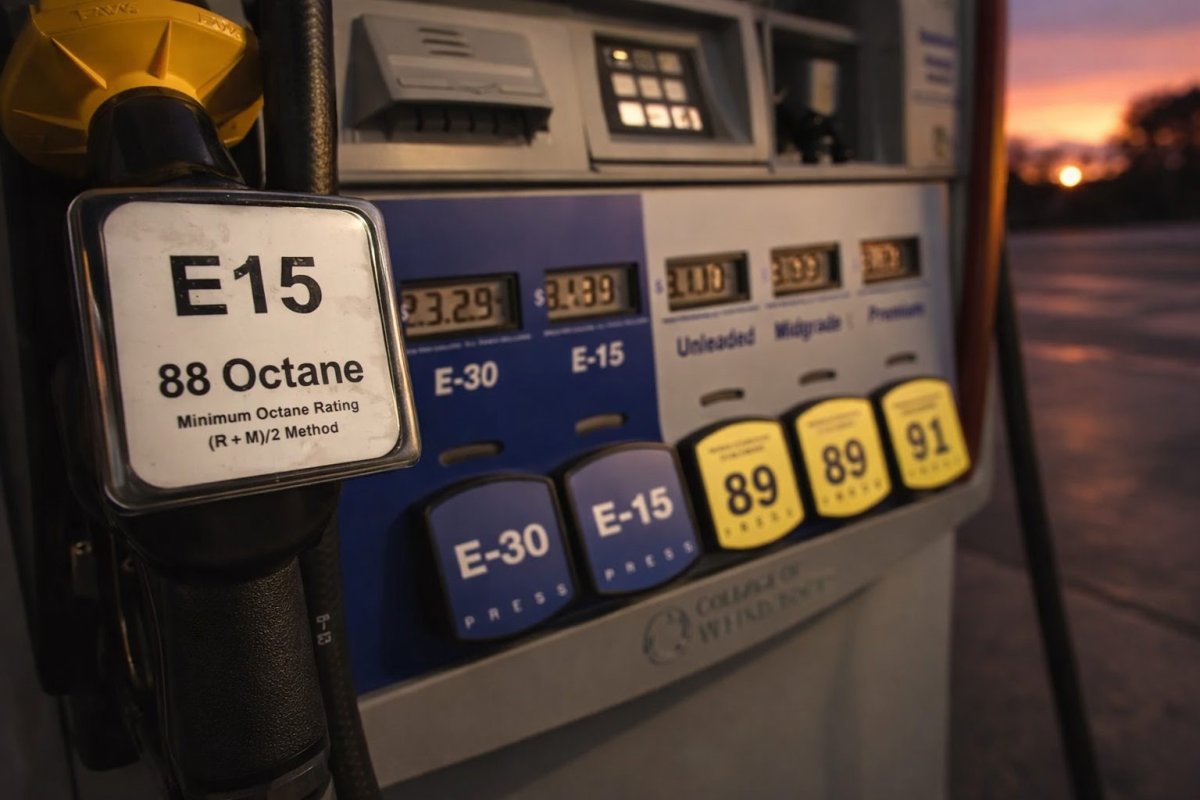
E15 is a gasoline blend containing 15% ethanol, compared to the more common E10 blend which contains 10%. The Clean Air Act typically restricts the sale of E15 from June 1 to September 15 in many areas due to concerns about increased smog formation in warmer weather. The EPA's waiver temporarily suspends these rules. The agency also announced plans to relax certain federal restrictions on E10 and adjust state-level fuel standards, allowing distributors to streamline gasoline shipments under a unified evaporation guideline.
The policy has received support from both the ethanol industry and, notably, the American Petroleum Institute. Will Hupman, the API's vice president of downstream policy, commented that easing summer restrictions should help make energy more "affordable and reliable" for American consumers. Currently, E15 is available at more than 3,000 fueling stations across the United States, with year-round access already established in several Midwestern states including Iowa, Illinois, Minnesota, Nebraska, Missouri, Wisconsin, and most of South Dakota.
Analysts Foresee Limited Relief
Despite the intended goal, energy analysts project that the actual price relief for consumers will likely be modest, estimating a reduction of only a few cents per gallon. Significant practical hurdles could blunt the policy's impact. Kenneth Gillingham, a professor of environmental and energy economics at Yale University, pointed out that many states lack sufficient ethanol inventory and the necessary infrastructure—such as compatible pumps at stations—to rapidly scale up E15 availability.
Furthermore, the shift presents potential trade-offs. Professor Gillingham also noted that higher ethanol blends can cause operational issues in older vehicles, boats, and all-terrain vehicles. Jason Hill, a professor at the University of Minnesota specializing in food and energy markets, highlighted a broader economic concern: diverting more corn toward fuel production could tighten supplies for animal feed, potentially driving up grocery prices and offsetting any savings gained at the fuel pump. "When everything's tallied, Hill doesn't see a clear win," the original report noted.
Broader Biofuel Policy Context
This waiver is part of a larger set of actions concerning renewable fuels. Earlier in the week, the EPA finalized increased biofuel blending mandates for 2026 and 2027 under the Renewable Fuel Standard (RFS). This program requires refiners to either blend renewable fuels into their products or purchase tradeable credits known as Renewable Identification Numbers (RINs). The National Corn Growers Association welcomed both the RFS update and the E15 waiver as victories for the agricultural sector. Conversely, refiners' groups argued that the heightened blending requirements will ultimately impose additional costs that could be passed on to consumers.
The effectiveness of the E15 waiver in providing tangible relief will largely depend on the speed at which fuel stations can adopt and distribute the blend. With the initial waiver period ending on May 20, critics caution that if supply chains cannot adapt quickly, any potential price benefits may dissipate before reaching a majority of drivers. This marks a recurring strategy; administrations of both major political parties have previously utilized summer E15 exemptions as a tool to address fuel price spikes.
The decision also follows public calls from lawmakers, such as Democratic Senator Amy Klobuchar of Minnesota, who urged the administration to take this "no-cost, immediate step" to help combat rising fuel costs for American households.