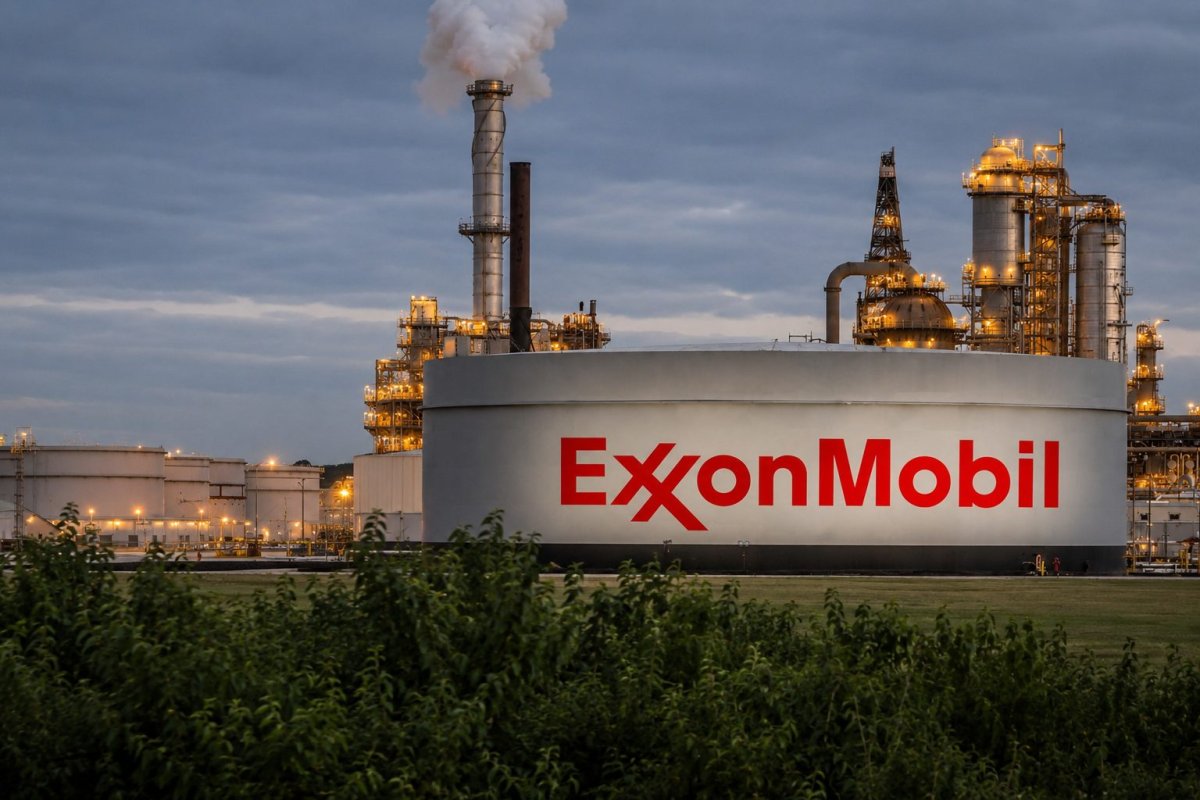
Exxon Mobil Corporation (XOM) saw its shares climb 1.9% to $160.97 on Monday, tracking a sharp rise in global crude oil prices. The stock's upward move came as Brent crude hovered near $110.55 a barrel, driven by escalating Gulf tensions and a partial shutdown of traffic through the Strait of Hormuz, according to Reuters. The energy giant's gains were mirrored by peers Chevron (CVX) and ConocoPhillips (COP), both of which also traded higher.
Oil Price Surge and Operational Challenges
The rally in crude oil is a double-edged sword for Exxon. While higher oil prices typically boost the company's upstream production business, the recent geopolitical turmoil has also disrupted output. Exxon reported earlier this month that its first-quarter profit fell to $4.2 billion, or $1.00 per share, down from the prior year, as Middle East instability reduced production volumes. However, strong output from Guyana and the Permian Basin helped mitigate the impact. Adjusted earnings came in at $4.9 billion, or $1.16 per share.
Shareholder Returns and Valuation
Despite the profit decline, Exxon returned $9.2 billion to shareholders through dividends and stock buybacks during the quarter. The company's dividend yield stands at 2.75%, as noted by financial commentary syndicated by Yahoo Finance. UBS recently raised its price target on Exxon to $174 from $171, maintaining a buy rating, citing the company's ability to offset lower output from Qatar through other assets.
However, valuation remains a concern for some analysts. Zacks noted on TradingView that Exxon is trading at 10.10 times trailing enterprise value to EBITDA, well above the industry average of 6.59 times. This metric, which compares a company's market value to its pre-tax cash earnings, suggests that Exxon is not cheap relative to its peers.
Geopolitical Risks and Market Sentiment
Oil market watchers remain cautious. Vandana Hari of Vanda Insights told Reuters that traders are again eyeing the "tail risk of renewed military escalation" in the region. Phil Flynn at Price Futures Group added that the "margin for error is shrinking rapidly" with the Strait of Hormuz at risk of a prolonged shutdown. Any reopening of the strait or diplomatic resolution could trigger a sharp drop in oil prices, potentially dragging down energy stocks.
Governance Shift: Redomiciling to Texas
Exxon is also facing a key governance decision. At its 2026 annual meeting on May 27, shareholders will vote on a proposal to move the company's legal incorporation from New Jersey to Texas. Exxon argues that it is functionally a "Texas corporation in all but name," given that its top leaders and most operations have been based in Texas for years.
The proposal has drawn opposition from proxy advisory firms Glass Lewis and ISS, which have recommended voting against the move. Exxon responded in a May 15 filing, arguing that ISS used "flawed analysis" and emphasizing that shareholder rights related to proposals and derivative lawsuits will remain intact.
Legal Developments and Outlook
On a positive note, a Texas jury last week cleared Exxon of liability in a lawsuit brought by investors who claimed the company misled them about disclosures regarding its Canadian oil sands and Rocky Mountain gas holdings, according to Reuters.
Looking ahead, Exxon's stock faces multiple crosscurrents. The interplay of oil price movements, shareholder returns, valuation concerns, and governance tensions will continue to drive the narrative. As one analyst noted, there is no single driver in play for Exxon right now—it's a complex mix of factors that will shape the stock's trajectory in the coming weeks.