Shares of Exxon Mobil Corp. plummeted 5.2% on Wednesday, April 2, 2026, closing at $160.78 in a sell-off that erased approximately $36 billion from the oil giant's market capitalization. The decline marked the company's most severe single-day loss since the 2008 financial crisis, according to data cited by The Wall Street Journal. The dramatic drop was triggered by a sharp retreat in crude oil prices, which fell on growing market speculation that the United States could soon move to de-escalate its military conflict with Iran.
Broad Energy Sector Retreat
The sell-off was not isolated to Exxon. Major peers also suffered significant losses. Chevron Corp. shares declined 4.6%, while ConocoPhillips finished the session down 2.7%. The S&P 500 Energy Index tumbled 3.9% on the day, a stark contrast to the broader S&P 500, which managed a gain of 0.72%. This sector-wide weakness was particularly notable given that energy had been a standout performer in an otherwise challenging first quarter. Data showed the S&P 500 energy sector surged 10% in March alone and ended the quarter with a staggering 37% gain. The Energy Select Sector SPDR (XLE), an ETF tracking the sector, climbed 37.9% for the year through March 31.
A Sudden Shift in Sentiment
The catalyst for the reversal was a comment from President Donald Trump suggesting the U.S. would exit Iran "pretty quickly." This remark fueled hopes for a rapid end to hostilities, leading traders to rapidly price out the "war premium"—the extra value baked into oil prices due to fears of supply disruption from the conflict-ridden Middle East. Benchmark Brent crude futures settled at $101.16 per barrel, down 2.7%, while U.S. West Texas Intermediate crude fell 1.2%.
Market participants highlighted the extreme sensitivity to geopolitical headlines. "Trump's comments keep shifting," noted Thomas Martin, a senior portfolio manager at Globalt Investments, in an interview with Reuters. The uncertainty itself was cited as a primary market depressant. "Uncertainty is kryptonite for markets," stated Russ Mould, investment director at AJ Bell.
Exxon's Concentrated Risk
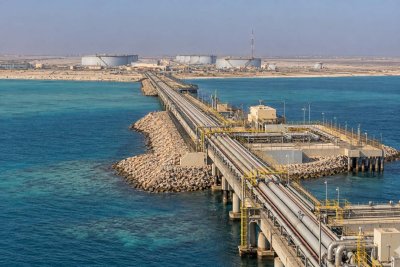
Exxon Mobil faced outsized risk from the geopolitical shift. According to analysis, roughly 20% of the company's oil and gas production is tied to the Middle East region. Stewart Glickman, an analyst at CFRA, pointed out that while regional involvement can drive prices higher, it also places physical output and delivery logistics in jeopardy. He noted that Exxon's earnings revisions since the war began had been less dramatic than some peers, but the company remains highly exposed to regional stability.
The sell-off interrupted a period of robust analyst optimism for the sector. Brent crude averaged $97 per barrel in March, a jump of 33% from the previous month. Leo Mariani, a senior research analyst at Roth Capital Partners, had described the first quarter as likely "phenomenal" for the major oil companies. Wednesday's action forced a recalibration, as traders began shifting focus from recent windfalls to the potential speed at which crude prices could decline if the vital Strait of Hormuz shipping lane returned to normal operations.
A Volatile Rebound
The narrative flipped again on Thursday morning. Oil prices rebounded violently, jumping nearly 7% after President Trump pledged that attacks on Iran would continue. This pushed Brent crude futures up to $108.81 a barrel. In pre-market trading, shares of Exxon climbed 3% and Chevron added 2.6%, demonstrating the sector's acute reactivity to every new development in the ongoing conflict.
This volatility creates a complex environment for investors. Phillip Nova analyst Priyanka Sachdeva highlighted the potential for oil to push to new highs if maritime security risks escalate further. Meanwhile, market observers noted that the OPEC+ alliance could consider another output hike at its upcoming meeting, though any additional barrels would likely only materialize if the Strait of Hormuz is fully secure. For Exxon and its peers, trading in the near term may hinge less on traditional fundamentals and more on whether the market perceives a credible and peaceful resolution to the U.S.-Iran standoff.
The dramatic swings underscore a market caught between the immediate pressures of geopolitics and longer-term energy fundamentals. With a significant portion of global supply transiting through the Middle East, the sector remains a high-beta play on regional headlines, leaving major integrated oil companies like Exxon in a precarious position as they navigate the uncertainty.