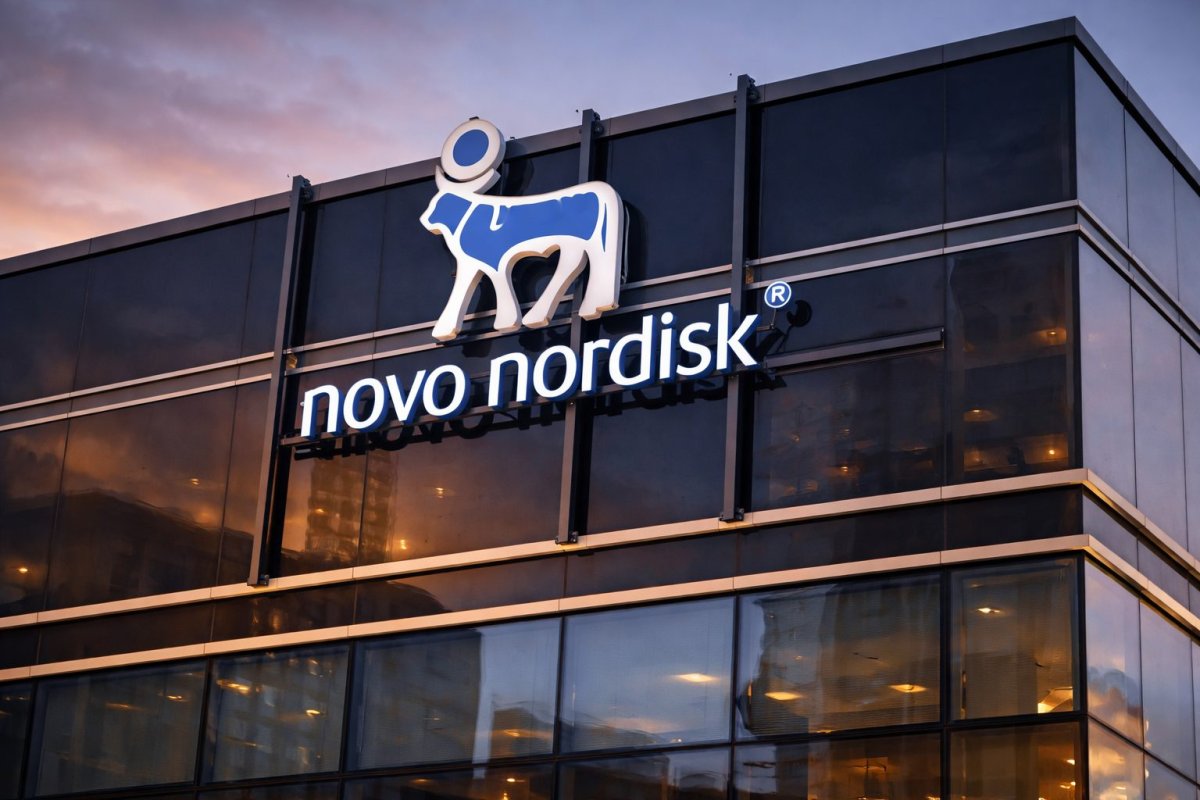
The U.S. Food and Drug Administration has intensified its oversight of pharmaceutical marketing, issuing a fresh regulatory notice to Novo Nordisk regarding promotional materials for its blockbuster diabetes medication, Ozempic. This marks the second such communication the agency has directed at the Danish pharmaceutical giant in less than four weeks, signaling heightened scrutiny of how drugmakers present their products to consumers and healthcare professionals.
Regulatory Action Details
According to agency correspondence dated February 26, 2026, the FDA alleges that a specific consumer advertisement for Ozempic contained false and misleading statements. The regulator contends the commercial improperly suggested the drug's superiority over other GLP-1 receptor agonist therapies for type 2 diabetes and broadly implied that all patients with the condition could use Ozempic for every approved indication. In reality, certain approved uses are specifically intended for individuals with coexisting heart disease or chronic kidney complications.
The FDA specifically criticized humorous elements within the advertisement that compared Ozempic to rival GLP-1 medications, stating these segments implied competing therapies offered minimal clinical value. The agency has instructed Novo Nordisk to submit a written response within 15 business days of receiving the letter, identify any other promotional materials with similar claims, and outline a corrective action plan. Failure to comply could theoretically result in the company being ordered to cease distribution of Ozempic, though such an extreme measure is considered unlikely.
Company Response and Precedent
Novo Nordisk confirmed receipt of what the FDA terms an "untitled letter," a regulatory notice that highlights alleged promotional violations but stops short of the more severe "warning letter" that carries explicit threats of enforcement action. Company spokesperson Liz Skrbkova stated, "We take all regulatory feedback seriously and are in the process of responding to the FDA." This latest notice follows a separate FDA communication from February 5, 2026, which raised concerns about a television advertisement for Wegovy, Novo's obesity treatment that shares the same active ingredient, semaglutide.
The regulatory pressure arrives at a critical juncture for Novo Nordisk. Ozempic and Wegovy are cornerstone products for the company's ambitious expansion within the lucrative U.S. pharmaceutical market. Marketing plays a pivotal role in differentiating these therapies in an increasingly competitive landscape for GLP-1 drugs. Being forced to alter promotional messaging under regulatory duress risks creating confusion among patients and physicians who are already navigating complex treatment decisions.
Broader Regulatory Crackdown
This action against Novo Nordisk is part of a wider enforcement initiative by the FDA concerning the marketing of prescription medications. The agency's sharper stance follows a directive from U.S. President Donald Trump to increase scrutiny over how pharmaceutical companies promote their medicines. This policy shift has elevated the risk for drugmakers, making it more likely that aggressive comparative claims or sweeping statements will be flagged rapidly by regulators.
In a parallel move underscoring the breadth of this crackdown, the FDA announced on Tuesday that it had dispatched warning letters to 30 telehealth companies. These firms are accused of improperly promoting compounded versions of GLP-1 drugs. Compounded medications are custom-mixed formulations prepared by pharmacies and are not individually evaluated by the FDA for safety and efficacy.
Focus on Compounded Drugs
The FDA's letters to telehealth providers specifically focused on compounded semaglutide—the active pharmaceutical ingredient in both Ozempic and Wegovy—and compounded tirzepatide, the active component in Eli Lilly's rival drugs Zepbound and Mounjaro. FDA Commissioner Marty Makary emphasized the seriousness of the situation, stating, "It's a new era of enforcement," and cautioning firms against marketing compounded drugs as substitutes for FDA-approved treatments.
GLP-1 receptor agonists like semaglutide and tirzepatide mimic the gut hormone glucagon-like peptide-1. They are primarily used to help regulate blood sugar levels in type 2 diabetes and, due to their appetite-suppressing effects, have gained widespread popularity for weight management, leading to supply shortages and a burgeoning market for compounded alternatives.
Market Implications and Distinctions
The regulatory distinction between an "untitled letter" and a "warning letter" is significant for investors and the industry. An untitled letter identifies issues a company must address but does not carry the immediate threat of legal action, such as product seizure or injunction, that a warning letter might. However, the FDA explicitly notes it is not legally required to issue any advance notice before initiating enforcement, meaning companies cannot rely on receiving such correspondence before facing more severe consequences.
This evolving regulatory landscape presents a complex challenge for the entire pharmaceutical sector, particularly for companies like Novo Nordisk and Eli Lilly (LLY) that are leading the GLP-1 market. As demand soars, ensuring promotional practices remain within regulatory boundaries while effectively communicating product benefits will be a delicate balancing act with direct implications for commercial performance and stock valuation.