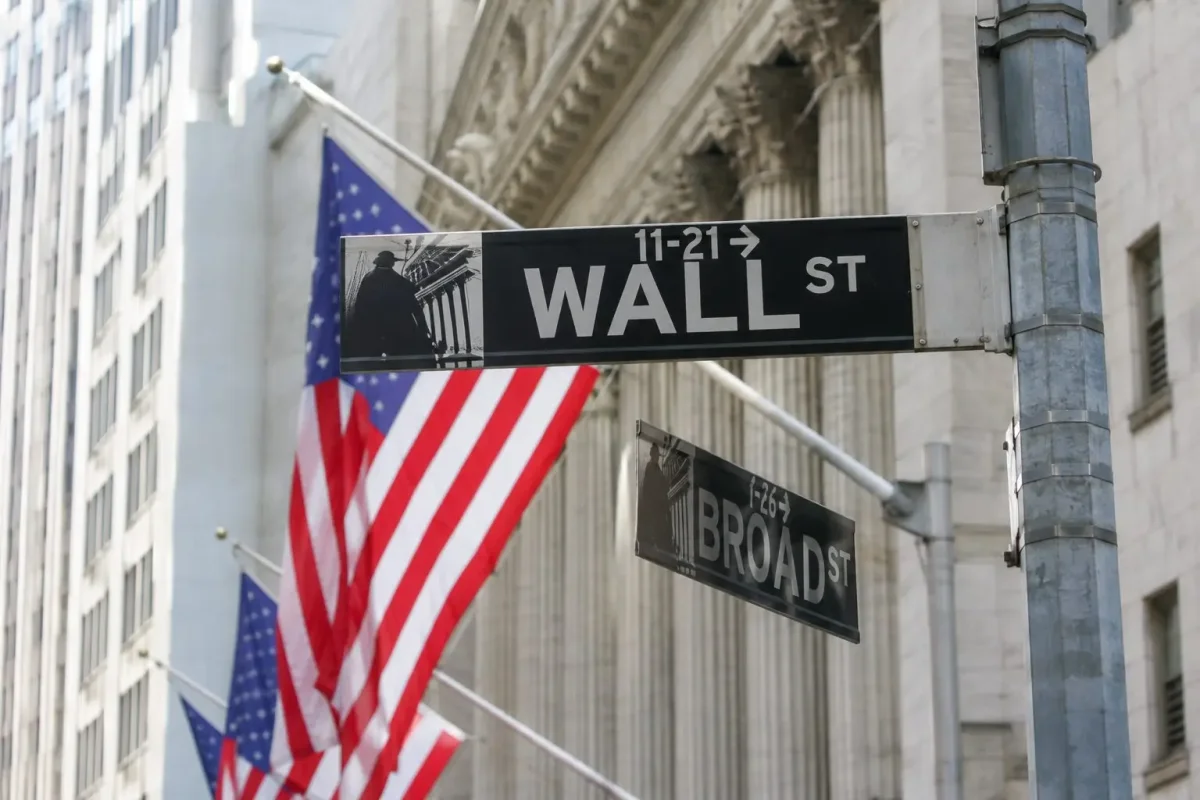
U.S. stock futures pointed to a steadier open on Tuesday, but caution remained the prevailing mood as investors weighed the impact of elevated oil prices and the upcoming Federal Reserve decision. The S&P 500 closed Friday at 7,431.46, up 0.50%, while the Dow Jones Industrial Average gained 0.70% to 51,202.26. The Nasdaq Composite added 0.31% to 25,888.84, recovering some ground after recent volatility.
Two key risks are dominating market sentiment: the trajectory of oil prices and the Federal Reserve's policy stance. Brent crude traded at $86.80 per barrel, while the 10-year Treasury yield hovered near 4.48%, according to Reuters data. Both factors will be crucial in determining the direction of equities in the near term.
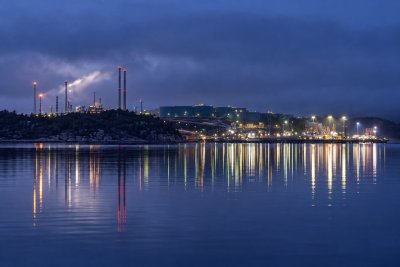
Oil markets were jolted by reports of a potential U.S.-Iran deal, after Pakistan's Prime Minister Shehbaz Sharif announced an agreement, later confirmed by former President Donald Trump. While full terms remain unclear, early drafts suggest the reopening of the Strait of Hormuz and the lifting of the U.S. port blockade on Iran. Trump posted on social media, "Ships of the World, start your engines. Let the oil flow!" Traders believe a successful deal could push stocks higher by reducing fuel costs and easing inflation, while a failure could drive money back into energy stocks, cash, and defensive sectors.
Inflation remains a persistent concern. The Consumer Price Index rose 4.2% year-over-year in May, accelerating from April's 3.8% increase. Energy prices surged 23.5% during the same period. Producer prices climbed 1.1% in May, up 6.5% from a year ago. These figures have kept investors on edge, as higher inflation could prompt the Fed to maintain or tighten monetary policy, raising borrowing costs and making bonds more attractive relative to stocks.
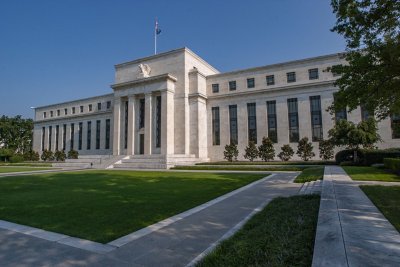
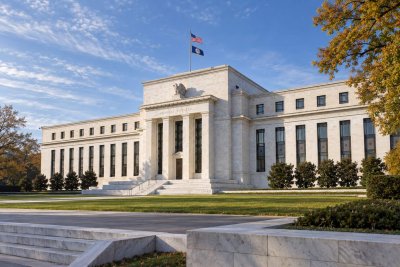
The Federal Reserve's two-day meeting begins Tuesday, June 16, with the Summary of Economic Projections due for release. According to a Reuters poll conducted June 4-9, nearly 70% of economists expect the fed funds rate to remain at 3.50%-3.75% through 2026, with no cut anticipated at this meeting. However, there is a risk of a "hawkish hold," where the Fed leaves rates unchanged but signals possible hikes if inflation persists. All eyes will be on Fed Chair Kevin Warsh, who is presiding over his first FOMC meeting. "The market is watching and parsing every word that's said," said Jim Baird, chief investment officer at Plante Moran Financial Advisors, to Reuters. Warsh's tone could significantly influence tech stocks, which are sensitive to interest rate expectations.
Retail sales data for May will be released Wednesday, June 17, at 8:30 a.m. EDT. The figures are not adjusted for inflation, so investors will scrutinize whether any increase reflects higher volumes or merely higher prices. The University of Michigan's consumer sentiment index for June came in at 48.9, up from May's record low of 44.8, partly due to lower gas prices, but sentiment remains weak.
In a notable development, SpaceX made its Nasdaq debut on Friday, surging 19.2% to $160.95, well above its $135 listing price, giving the company a market capitalization close to $2.1 trillion. Bulls interpreted the move as evidence of strong investor appetite for large-cap AI-growth names, which could lift the broader Nasdaq and other risk assets. However, bears cautioned that such a mega-cap IPO might siphon capital from other speculative stocks and exacerbate concerns that the AI trade is becoming overcrowded.
Overall, the market appears stretched. Bulls hope that a solid U.S.-Iran deal will reduce oil prices, ease inflation fears, and allow the Fed to hold steady, supporting consumer spending and AI-driven earnings. Bears point to the lack of clear deal terms, Israel's exclusion from negotiations, inflation still above the Fed's target, and the significant year-to-date gains—the S&P 500 is up over 8% and the Nasdaq over 11%. Tuesday's open will likely be driven by headlines on oil and the Fed.