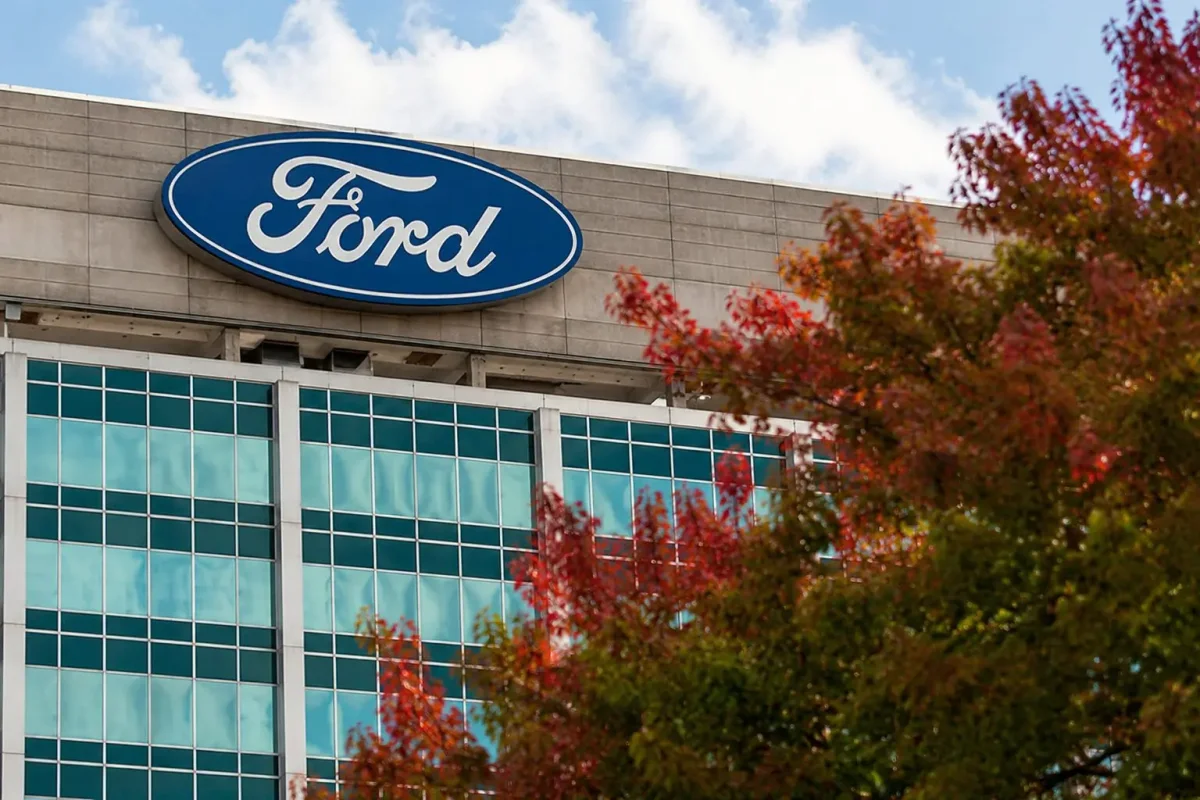
Ford Motor Company (F) faces a fresh recall of nearly 420,000 vehicles, casting a shadow over the automaker's upcoming investor presentation at the UBS Auto and Auto Tech Conference. Shares of the Detroit-based automaker fell 2.89% to close at $16.15 on Tuesday, snapping an eight-day winning streak and underperforming the broader market.
The National Highway Traffic Safety Administration (NHTSA) announced the recall of 419,967 units of the 2018-2022 Ford Expedition and Lincoln Navigator SUVs due to a seat-belt pretensioner defect. The issue could cause the pretensioner to lock up, preventing the belt from retracting or extending during a crash, increasing the risk of injury. Ford dealers will inspect and replace the affected retractors at no cost to owners. The company has not yet estimated the financial impact of the recall.
The recall comes at a critical juncture for Ford, as Chief Financial Officer Sherry House is scheduled to speak at the UBS conference in New York at 8:50 a.m. ET on Wednesday. House is expected to discuss the Ford+ growth plan, which aims to drive higher revenue, improved margins, and capital efficiency. Investors will be listening closely for any updates on cost controls, software revenue, and electric vehicle performance amid ongoing quality concerns.
Ford's recent stock performance had been buoyed by a strong rally in late May, but the run ended Monday with a 4.64% decline. Tuesday's drop added to the losses, even as the S&P 500 rose 0.13% and the Dow Jones Industrial Average gained 0.45%. The broader auto sector was mixed, with General Motors (GM) falling 1.15% to $81.73, while Tesla (TSLA) advanced 1.89%.
Despite the recall, some analysts remain optimistic. Citigroup maintained its neutral rating on Ford on June 1 but raised its price target to $19, while BofA Securities reiterated its buy rating and $20 target on May 29. However, the consensus average target from Benzinga stands at $13.77, below the current share price, reflecting lingering skepticism about the company's ability to manage warranty and quality costs.
Ford reported first-quarter revenue of $43.3 billion, net income of $2.5 billion, and adjusted EBIT of $3.5 billion in April. The company raised its full-year adjusted EBIT guidance to between $8.5 billion and $10.5 billion, citing the momentum of the Ford+ plan. CEO Jim Farley highlighted cost reductions, software and services revenue growth, and efforts to boost EV performance as key drivers.
However, risks remain. Ford's outlook assumes a stable U.S. auto market and includes a $1.3 billion one-time tariff gain, which some analysts view as a temporary boost. Barclays analyst Dan Levy noted that the adjusted EBIT guidance appeared softer after accounting for this one-time benefit, though he described the results as "solid."
Wednesday's focus will be on how House addresses the recall and whether she can reassure investors about Ford's long-term trajectory. The stock's near-term direction may depend less on the recall's size and more on the narrative House presents at the conference.