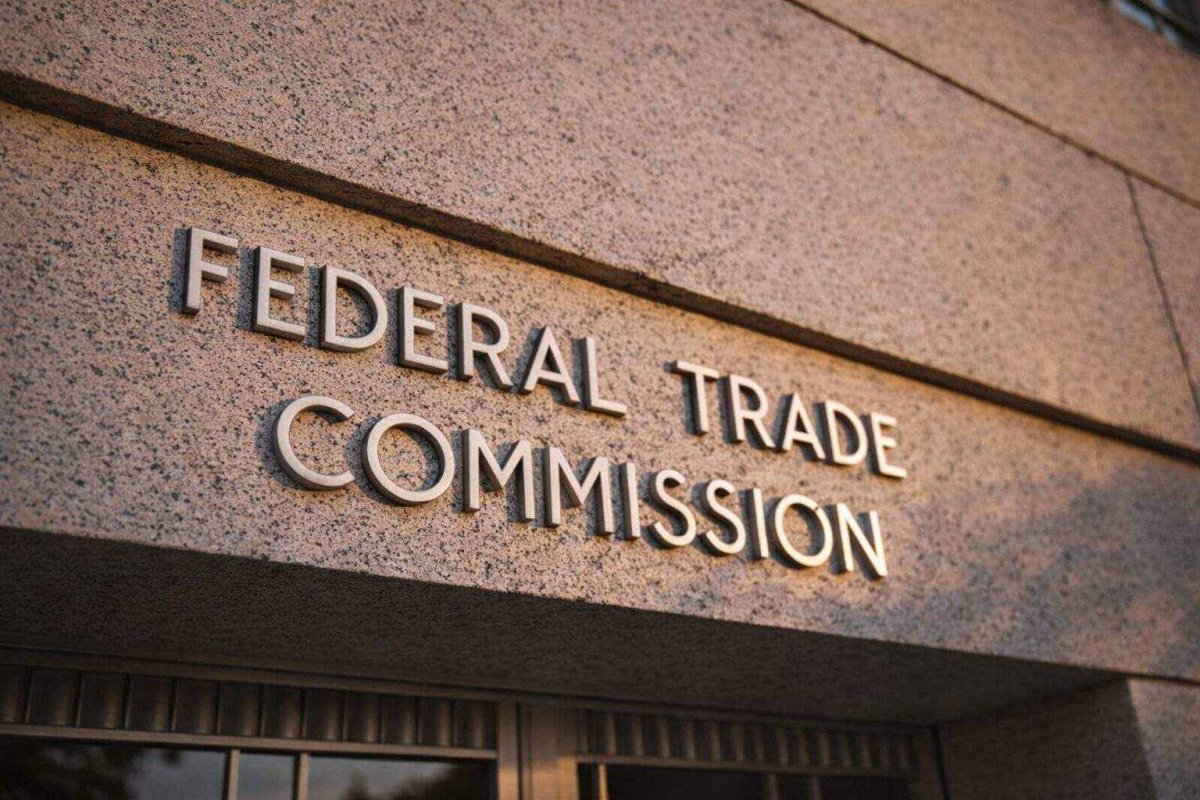
The Federal Trade Commission has initiated a major consumer refund program, distributing more than $58.1 million to approximately 887,000 individuals affected by separate enforcement actions. The agency announced two distinct payout streams this month, with the larger portion—$47.2 million—going to 444,131 renters of Invitation Homes properties. A second distribution of over $10.9 million is being sent to 443,048 customers of Financial Education Services.
Invitation Homes Settlement Details
Invitation Homes, identified by regulators as one of the nation's largest single-family rental companies, agreed last year to pay $48 million to resolve allegations of deceptive practices. The FTC accused the company of concealing fees associated with smart home technology installations, utility services, and other add-ons. Additionally, the agency claimed the landlord failed to conduct proper move-in inspections and improperly withheld security deposits from tenants.
Renters who paid at least $45 in covered charges between January 2021 and September 2024 are eligible for compensation, provided they haven't already received credits or refunds directly from the company. According to reports citing FTC officials, the average payment to Invitation Homes tenants is approximately $106. The company, while settling the matter, maintained that its disclosure practices were industry-leading and did not admit to any wrongdoing in the agreement.
Credit Repair Scheme Unraveled
The second refund stream addresses violations by Michigan-based Financial Education Services. The FTC determined that the company targeted consumers with poor credit histories, promising to remove negative information from credit reports through questionable methods. Many customers were subsequently encouraged to recruit others to sell the same services, operating in a manner that regulators found problematic.
This operation generated more than $213 million in revenue, according to the commission, by collecting illegal upfront payments and charging monthly fees as high as $89. The agency concluded that these services frequently provided no benefit to consumers and in some cases actually damaged their credit profiles. Refunds distributed on March 17 apply to individuals who made payments to FES between May 2019 and May 2022.
Broader Regulatory Context
These refunds represent a significant shift from enforcement actions to actual consumer compensation. The timing coincides with the FTC's broader initiative to address non-transparent pricing in rental housing markets. On March 12, the commission launched a formal rulemaking process focused on rental fee transparency, specifically citing recent cases involving Invitation Homes and major apartment operator Greystar Real Estate Partners.
Christopher Mufarrige, Director of the FTC's Bureau of Consumer Protection, emphasized that opaque rental pricing "undermines competition and harms consumers." The agency has prioritized returning funds to consumers this year, claiming to have distributed over $339 million in refunds through March, with particular emphasis on housing and consumer finance cases.
Important Limitations and Next Steps
Consumers should be aware of specific limitations to these refund programs. Tenants who have already received credits or refunds directly from Invitation Homes will not receive additional payments through this FTC distribution. Both sets of refund checks come with a 90-day expiration window for cashing, requiring prompt action by recipients.
The distributions mark a transition from the legal phase to the compensation stage for two of the FTC's most significant consumer protection actions over the past two years. As the agency continues its focus on rental market transparency and financial service abuses, these refunds demonstrate the tangible outcomes of regulatory enforcement in consumer markets.