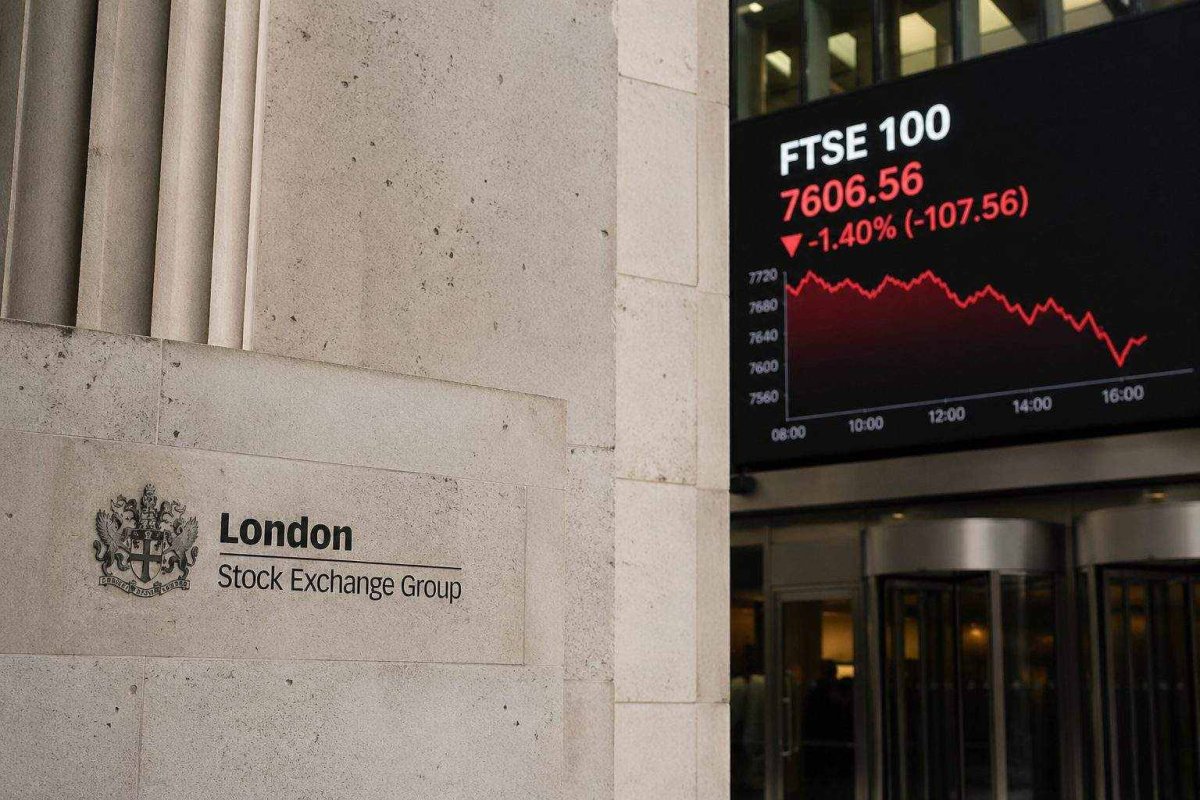
London's blue-chip index retreated on Wednesday, with the FTSE 100 falling 0.6% to 10,270.96 by mid-morning, reversing gains from the prior session. The FTSE 250 edged down just 0.05% to 22,389.12, showing a more mixed picture among mid-cap stocks.
Healthcare Sector Under Pressure
Pharmaceutical heavyweights dragged the market lower as AstraZeneca and GSK both saw their shares drop despite reporting better-than-expected first-quarter profits. AstraZeneca posted strong demand for its cancer and rare-disease treatments and reaffirmed its 2026 guidance, with CEO Pascal Soriot stating the company remains "on track to achieve our ambition" for 2030. However, eToro analyst Adam Vettese noted that the market barely reacted, suggesting investors had already priced in the momentum.
GSK also reaffirmed its full-year outlook after reporting revenue of £7.63 billion, with its shingles vaccine Shingrix achieving a record quarter. New CEO Luke Miels emphasized "execution and accelerating R&D" as investors look for evidence that the drug pipeline can offset looming patent expirations.
Lloyds Profit Beat Fails to Inspire
Lloyds Banking Group reported a 33% rise in first-quarter pre-tax profit to £2 billion, beating forecasts, but the positive news was not enough to shift market sentiment. The bank took a £151 million charge related to Iran war risks, and CFO William Chalmers noted that Lloyds is working on the assumption of a "gradual de-escalation" through the year.
DCC Surges on Takeover Approach
In a bright spot, shares of DCC shot higher after the Ireland-based group confirmed it is considering a cash buyout bid from Energy Capital Partners and KKR. The consortium has until June 10 to make a formal offer or walk away.
Haleon Posts Mixed Results
Haleon, the consumer health company behind Sensodyne and Panadol, reported 2.2% organic revenue growth, excluding currency and portfolio effects. CEO Brian McNamara highlighted solid oral health performance but noted that a weak cold and flu season "tempered" results.
Broader Market Context
The UK decline mirrored a softer session across Europe, with the STOXX 600 dropping 0.3% and Spain's IBEX shedding 0.9%. State Street's head of equity research, Marija Veitmane, pointed out that Europe is often seen as a key casualty in the Iran war scenario, as high oil prices could hit its economy harder.
Investors are now focused on a packed earnings calendar, rising oil prices, and upcoming central bank decisions from the Federal Reserve, European Central Bank, and Bank of England. Persistent oil strength and any signs that central banks prioritize inflation fears over growth could limit hopes for rate cuts, potentially undermining the safe-haven appeal of defensive sectors like healthcare.