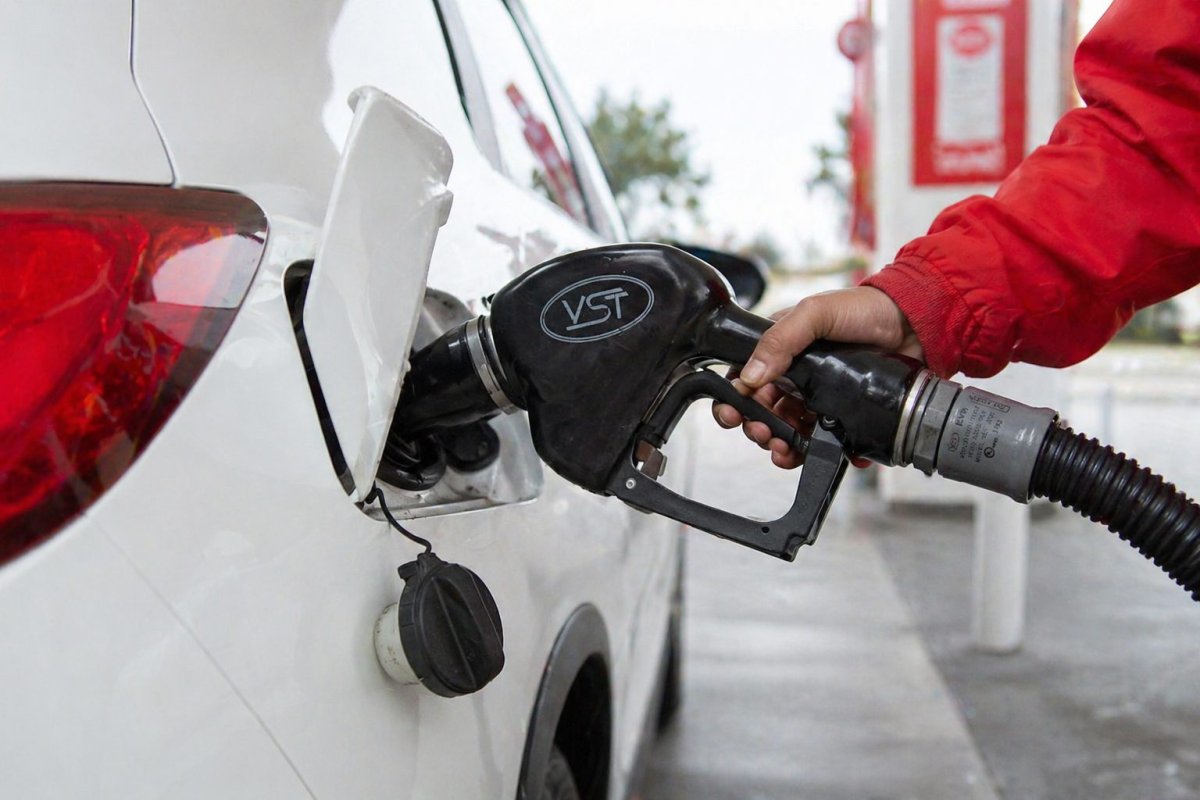
U.S. drivers are feeling the pinch at the pump as the national average for regular gasoline climbed to $4.229 per gallon on Wednesday, according to AAA data. That marks a jump of 21 cents over the past week and pushes prices more than a dollar above year-ago levels, a sharp reversal from the relative calm earlier in 2026.
The rally in gasoline follows renewed geopolitical tensions around Iran and the Strait of Hormuz, a critical chokepoint through which roughly 20% of the world's oil and gas flows. Brent crude futures breached $114 a barrel on Wednesday, while U.S. West Texas Intermediate traded near $103.48 after reports emerged that the U.S. may extend its naval blockade of Iranian ports. Analysts at Haitong Futures warned that ongoing supply disruptions could continue to push oil prices higher.
At the same time, the U.S. refining system is struggling to keep up. Refineries owned by Phillips 66 in Wood River, Illinois, Marathon Petroleum in Robinson, Illinois, and BP in Whiting, Indiana have all faced maintenance or unplanned outages, squeezing supply in Midwest markets. Gasoline stockpiles dropped by 4.6 million barrels in the week ended April 17, according to the Energy Information Administration, putting inventories 0.5% below the five-year average. Crude inventories, however, rose by 1.9 million barrels as refinery utilization held at 89.1%.
Retail margins have become razor-thin as wholesale costs climb. Tom Kloza, chief energy adviser at Gulf Oil, noted that retailers have been “taking one for the team,” but warned that if wholesale prices stay elevated, drivers could face even higher prices soon.
The Federal Reserve is closely watching the energy-driven inflation. Policymakers are expected to hold interest rates steady at their meeting Wednesday, but the spike in fuel costs is adding a hawkish tilt to discussions. JPMorgan economist Michael Feroli said the news since the last meeting may “shade the discussion a bit more hawkish,” as officials debate whether rising energy prices are a temporary blip or a more persistent threat to inflation.
OPEC’s unity is also fraying. The United Arab Emirates has announced its departure from the cartel, a move that signals internal discord, though analysts downplayed its immediate impact on prices, noting that Gulf logistics remain the primary bottleneck.
The outlook is uncertain. If shipping through the Strait of Hormuz resumes, refineries ramp up, or demand softens, prices could ease. But if the blockade persists, another refinery trips offline, or crude stays above $100, retailers may be forced to pass on costs, squeezing household budgets ahead of the summer driving season.