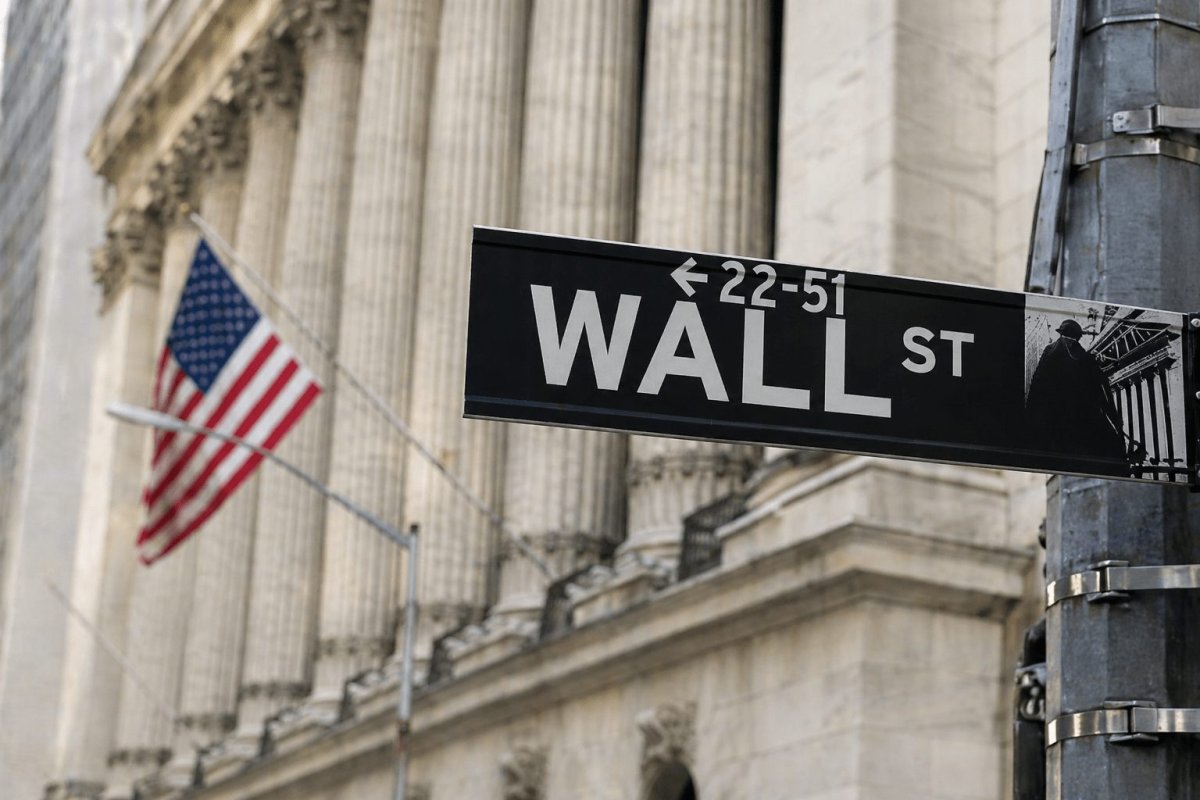
NEW YORK, April 28, 2026 – The Nasdaq Composite suffered a sharp decline on Tuesday, sliding 1.44% by midday, as renewed doubts about the artificial intelligence boom weighed heavily on technology shares. The broader S&P 500 fell 0.78%, while the Dow Jones Industrial Average eked out a slim 0.12% gain, reflecting a market split between AI-driven losses and relative strength in other sectors.
AI Stocks Under Pressure
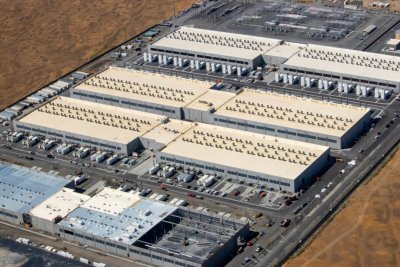
The selloff was triggered by a Wall Street Journal report indicating that OpenAI, the high-profile AI startup, had missed internal targets for weekly active users and revenue. This sparked immediate concern among investors about the pace of returns from massive capital expenditures on AI infrastructure. Nvidia (NVDA) dropped 3.5%, Advanced Micro Devices (AMD) tumbled 5%, and Oracle (ORCL) slid 4.1%. The S&P 500 information technology sector lost 2.2%, while the Philadelphia SE Semiconductor Index fell 4.7%, marking a significant move for chipmakers.
Dennis Follmer, chief investment officer at Montis Financial, noted in a client commentary that if any major tech name stumbles on AI demand or capital spending during earnings reports this week, the market could begin to question the sustainability of the AI-driven rally. Results from Alphabet (GOOGL), Microsoft (MSFT), Meta (META), and Amazon (AMZN) are all scheduled for Wednesday, with investors laser-focused on whether AI investments are translating into cloud and advertising growth.
Oil Surge and Fed Uncertainty
Adding to the market's unease, Brent crude oil climbed back above $110 a barrel for the first time in three weeks, driven by escalating tensions in the Middle East and fears of disruption to shipping through the Strait of Hormuz. The spike in energy prices reignited inflation concerns, complicating the outlook for both consumers and the Federal Reserve.
Capital Economics chief markets economist Jonas Goltermann warned that if the diplomatic and military standoff between the U.S. and Iran persists, the crisis will remain a significant challenge for policymakers and markets. Rising fuel costs directly pressure household budgets and corporate margins, while also limiting the Fed's ability to ease monetary policy.
Investors head into the Federal Reserve's April 28-29 meeting with expectations that interest rates will remain unchanged at the current target range of 3.50% to 3.75%. According to Reuters, officials remain open to rate cuts later this year, but that depends heavily on whether the Iran conflict and elevated oil prices persist. Bank of America economists stated that the Fed is likely to stay firmly on hold at this meeting, citing ongoing inflation risks tied to the geopolitical situation.
Economic Data and Earnings Mixed
A modest bright spot came from the Conference Board's consumer confidence index, which rose to 92.8 in April from a revised 92.2 in March, beating economists' expectations for a decline to 89.0. However, Dana Peterson, chief economist at the Conference Board, noted that consumers remain downbeat, frequently mentioning prices, oil, gas, and geopolitical tensions in their comments. This cautious tone prevented the data from providing a clear boost to risk assets.
Earnings season delivered a mixed bag. Coca-Cola (KO) shares gained after the beverage giant raised its full-year adjusted profit outlook. CFO John Murphy told Reuters the company is addressing the Middle East fallout with its bottling partners, while CEO Henrique Braun noted that inflation and ongoing uncertainty continue to weigh on some consumers. UPS (UPS) dropped after reporting a steep decline in quarterly adjusted profit. General Motors (GM) nudged lower despite raising its full-year earnings forecast, with CEO Mary Barra flagging the Iranian conflict as the primary concern for the automaker, particularly regarding commodity and logistics costs.
Outlook
With Big Tech earnings on deck and oil prices at elevated levels, the market faces a critical juncture. If the upcoming results from Alphabet, Microsoft, Meta, and Amazon fail to deliver convincing evidence of returns on AI investment, or if crude prices remain elevated, the current selloff could broaden. Traders will also be closely watching the Fed's policy statement for any hints about the future path of interest rates, particularly in light of persistent geopolitical risks.