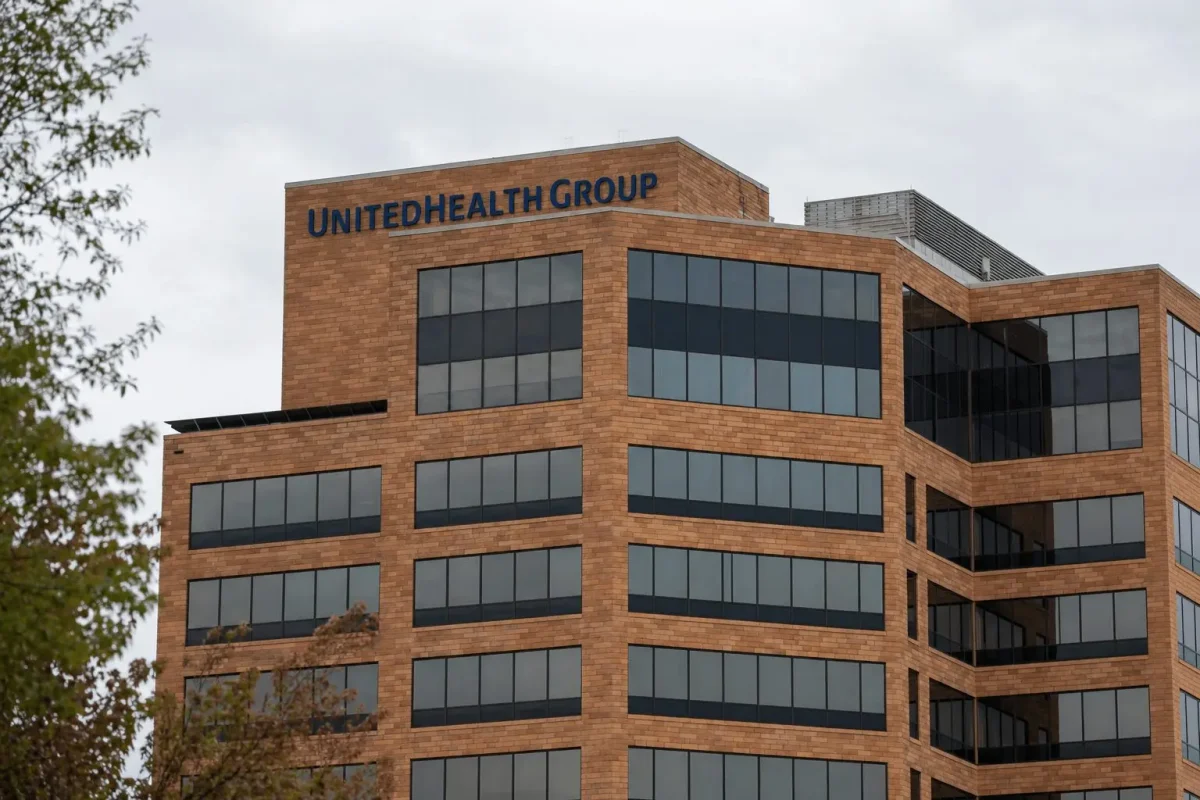
UnitedHealth Group shares surged approximately 4% to $369.41 in early trading Tuesday, joining a broader rally among U.S. health insurers after Centene raised its profit forecast. The move signals growing investor confidence that the sector's prolonged medical-cost pressures may finally be subsiding.
Centene's shares jumped more than 14% after the company boosted its 2026 adjusted profit outlook to above $3.40 per share, up from a prior target of over $3.00. The company also raised its revenue projection to a range of $187.5 billion to $191.5 billion, citing improved cost discipline and manageable flu-related expenses. Humana and CVS Health also posted gains, reflecting a sector-wide shift in sentiment.
Medical Cost Relief in Sight
Centene reported a first-quarter medical loss ratio of 87.3%, well below the 89.42% analysts had expected, according to LSEG data. This metric, which measures the percentage of premiums spent on medical claims, has been under scrutiny as insurers grapple with elevated utilization and cost trends. The better-than-expected result suggests that pricing adjustments and operational efficiencies are beginning to offset these headwinds.
John Stansel, an analyst at J.P. Morgan, described the report as “a positive start to the year,” though he cautioned that major milestones in the coming months could still alter 2026 guidance.
UnitedHealth's Earnings Momentum
UnitedHealth's latest rally builds on its own strong first-quarter performance. The company last week raised its 2026 adjusted profit forecast to above $18.25 per share. In the first quarter, UnitedHealth posted $111.7 billion in revenue and operating earnings of $9.0 billion, with its medical care ratio improving to 83.9%—a decline of 90 basis points year over year.
CEO Stephen Hemsley told analysts that the quarter unfolded largely as the company anticipated. Pricing at UnitedHealthcare, he noted, is moving in the right direction despite persistent healthcare cost pressures. Hemsley also highlighted “progress” at Optum Health, the company's care delivery arm, as it sharpens execution on value-based care models.
Optum Challenges Persist
Despite the upbeat tone, risks remain. UnitedHealth's Optum unit continues to face cost and contract challenges. Operating income at Optum dropped 15% in the first quarter, driven by rising medical costs and ongoing investment. The company attributed its overall cost ratio improvement to reserve development, noting that elevated utilization and unit cost trends continue to weigh on results.
Membership numbers also slipped. UnitedHealthcare reported serving 49.1 million people in the first quarter, down from 49.8 million at the end of last year. Medicare Advantage enrollment fell by 965,000 seniors, reflecting ongoing competitive pressures.
Sector Outlook and Risks
The recent string of profit outlook upgrades from UnitedHealth, Elevance, and now Centene has eased investor concerns about the sector's ability to set premiums adequate to cover rising medical costs. However, analysts warn that the rally could quickly reverse if medical utilization picks up again, if government reimbursement rates fall short, or if risk pools in Obamacare and Medicare prove more costly than anticipated.
UnitedHealth's size and scale provide a buffer against these risks, but any significant miss would be difficult to mask. For now, the market is betting that the worst of the medical-cost crunch is behind the industry.