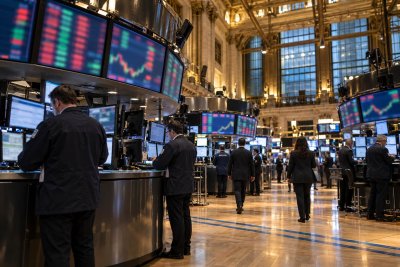
London's equity markets faced renewed pressure on Thursday, with the benchmark FTSE 100 index closing 0.47% lower at 10,305.15. The domestically-focused FTSE 250 experienced a steeper decline, shedding 0.83% to settle at 22,194.55. The primary catalyst for the downturn was a sharp rebound in crude oil prices, which approached the $100 per barrel threshold following reports of fresh attacks on fuel tankers near Iraq. This geopolitical development reignited persistent concerns about inflationary pressures, which have consistently weighed on investor sentiment toward UK equities.
Monetary Policy Outlook Shifts Dramatically
The surge in energy costs prompted an immediate reassessment of the interest rate trajectory by the Bank of England. Money markets rapidly recalibrated, now indicating a 54% probability of a quarter-point rate increase by December. This represents a stark reversal from just a day prior, when traders largely anticipated the central bank would maintain its current stance. The shift underscores the UK economy's heightened vulnerability to external energy shocks due to its substantial reliance on imported natural gas, a structural weakness that amplifies inflationary risks compared to other major economies.
Economists from leading institutions adopted a more cautious tone. Dean Turner of UBS suggested that an interest rate reduction by the Bank of England now appears more likely to occur later than previously expected, stating an April cut now looks "more likely than not." Similarly, Goldman Sachs postponed its forecast for a rate cut for the second time this month, citing heightened uncertainty surrounding the inflation outlook as energy prices continue their upward climb.
Market Performance and Sector Moves
The day's losses left the FTSE 100 approximately 5% below its record closing high of 10,846.70, which was achieved on February 26. Selling pressure was broad-based, affecting most areas of the market, though the blue-chip index's decline was relatively contained. Sectors such as defence, mining, and utilities demonstrated resilience, largely insulating themselves from the broader market weakness. By the closing bell, however, the majority of FTSE 350 sectors remained in negative territory.
The banking sector was a notable underperformer. HSBC shares slid more than 5% following the closure of its operational branches in Qatar. Analysts at JPMorgan identified HSBC and Standard Chartered as the European banks with the most significant exposure to ongoing regional conflicts. In contrast, Barclays derives less than 1% of its revenue and profit from the affected area. Kathy Chan of Morningstar warned that "additional risks" in trade finance and credit costs could materialize amid the prevailing geopolitical uncertainty.
Domestic Economic Sentiment Sours
Domestic economic indicators also contributed to the gloomy mood. The latest Residential Market Survey from the Royal Institution of Chartered Surveyors (RICS) revealed a net balance of -26 for new buyer enquiries in February, a significant deterioration from the -15 reading recorded in January. Tarrant Parsons, an economist at RICS, attributed the decline to a worsening international backdrop, which has "clearly weighed on confidence." He further noted that elevated energy prices increase the risk that mortgage rates will remain at higher levels for an extended period.
Amid the widespread declines, a few bright spots emerged. Interdealer broker TP ICAP rallied 7.3% after reporting a 3.6% increase in annual pretax profit. This performance demonstrated that periods of market volatility can sometimes benefit trading and brokerage firms, even as they unsettle most other market participants.
Analyst Warnings and Forward Risks
The prevailing risk environment remains a central focus for analysts. Goldman Sachs cautioned that unless the current energy shock abates swiftly, the Bank of England's Monetary Policy Committee might deliver only a single interest rate cut this year—or potentially forgo easing altogether if conditions deteriorate further. The bank outlined an upside scenario where Brent crude could average $110 per barrel if oil shipments through the critical Strait of Hormuz were disrupted for a full month.
Some analysts suggest the market's reaction may be overdone. Monica Guerra of Morgan Stanley Wealth Management observed that equity volatility sparked by geopolitical events typically proves short-lived. Nevertheless, with oil prices holding at elevated levels, the task of forecasting the central bank's policy path has become considerably more complex. For London's financial markets, deciphering this monetary policy puzzle is currently taking precedence over corporate earnings fundamentals.