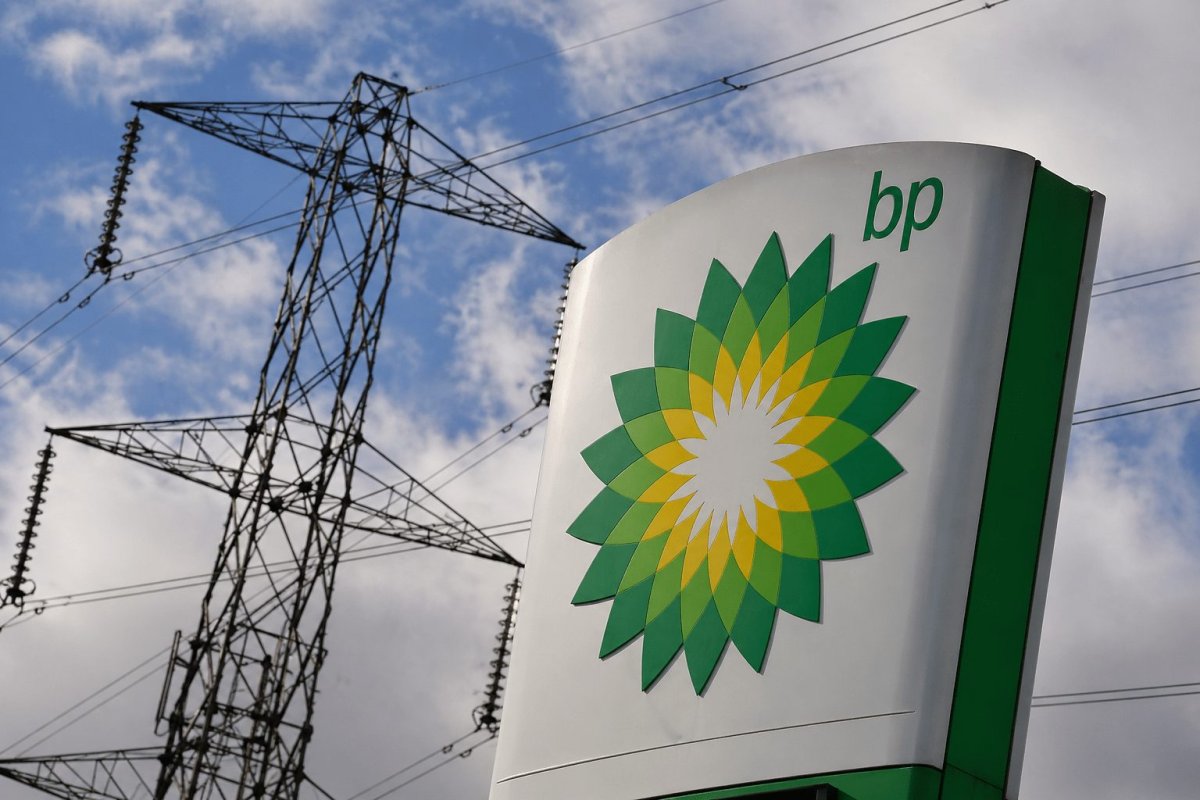
BP (LON:BP) posted a first-quarter profit of $3.2 billion, more than double the $1.4 billion reported a year earlier, as surging crude prices tied to the Iran conflict propelled the oil giant's trading operations to their strongest performance in years. The result exceeded analyst forecasts by roughly 20%, marking BP's most profitable quarter since 2023.
The company reported underlying replacement cost profit of $3.198 billion, its preferred metric that excludes one-time items and inventory valuation changes. This compares favorably with $1.381 billion in the year-ago period and $1.541 billion in the previous quarter. Profit attributable to shareholders reached $3.842 billion, while operating cash flow stood at $2.86 billion, impacted by a $6 billion working-capital build largely due to price gains and seasonal inventory changes.
BP's customers and products division, which encompasses refining, fuels, and trading, was the primary driver of the earnings surge. CFO Kate Thomson described the oil trading performance as "exceptional," with products earnings rising sharply from the prior quarter on higher realized refining margins, increased throughput, and favorable timing in crude selection.
The results come as Meg O'Neill steps in as CEO, tasked with steering the company amid a renewed focus on oil and gas after costly forays into renewables. O'Neill emphasized "strong operational and financial delivery" and noted that BP is "heading in the right direction" in terms of balance sheet strength, while ensuring fuel supplies remain flowing during a period marked by conflict and complexity.
Investor response was cautiously positive, with BP shares climbing 3.13% to 590.30 pence in late London trading. The broader oil and gas sector also gained as rising crude prices buoyed energy stocks. However, the balance sheet remains a concern: net debt rose to $25.3 billion from $22.2 billion at the end of 2025. BP outlined plans to reduce corporate hybrid bond financing by approximately $4.3 billion by 2027, targeting total hybrids near $9 billion.
Analysts offered mixed views. RBC Capital Markets' Biraj Borkhataria urged BP to direct surplus cash toward debt reduction rather than restarting share buybacks. Melius Research's James West noted the crude market remains "undersupplied." Meanwhile, Exxon's operations have experienced some disruptions in the Strait of Hormuz, and Chevron may resume buybacks later this year, according to Bloomberg.
BP flagged persistent sensitivity in fuel margins tied to supply expenses and the evolving Middle East situation. For the second quarter, the company anticipates a dip in upstream production versus the first, citing Gulf maintenance and regional turbulence. Thomson cautioned that trading results can fluctuate from quarter to quarter, with realized margins at the mercy of price timing, shipping costs, and crude spreads.
The profit surge has reignited political pressure, with campaigners calling for a windfall tax on outsized gains as households grapple with higher fuel and energy costs. Mike Childs of Friends of the Earth argued that fossil-fuel companies benefit when turmoil drives prices higher, while ordinary people bear the burden.
O'Neill now faces the challenge of using the trading windfall to reduce leverage and stabilize the business. While the latest quarter provides some breathing room, the same conflict that boosted profits could ultimately disrupt production, pressure consumers, and leave investors questioning the sustainability of BP's rebound.