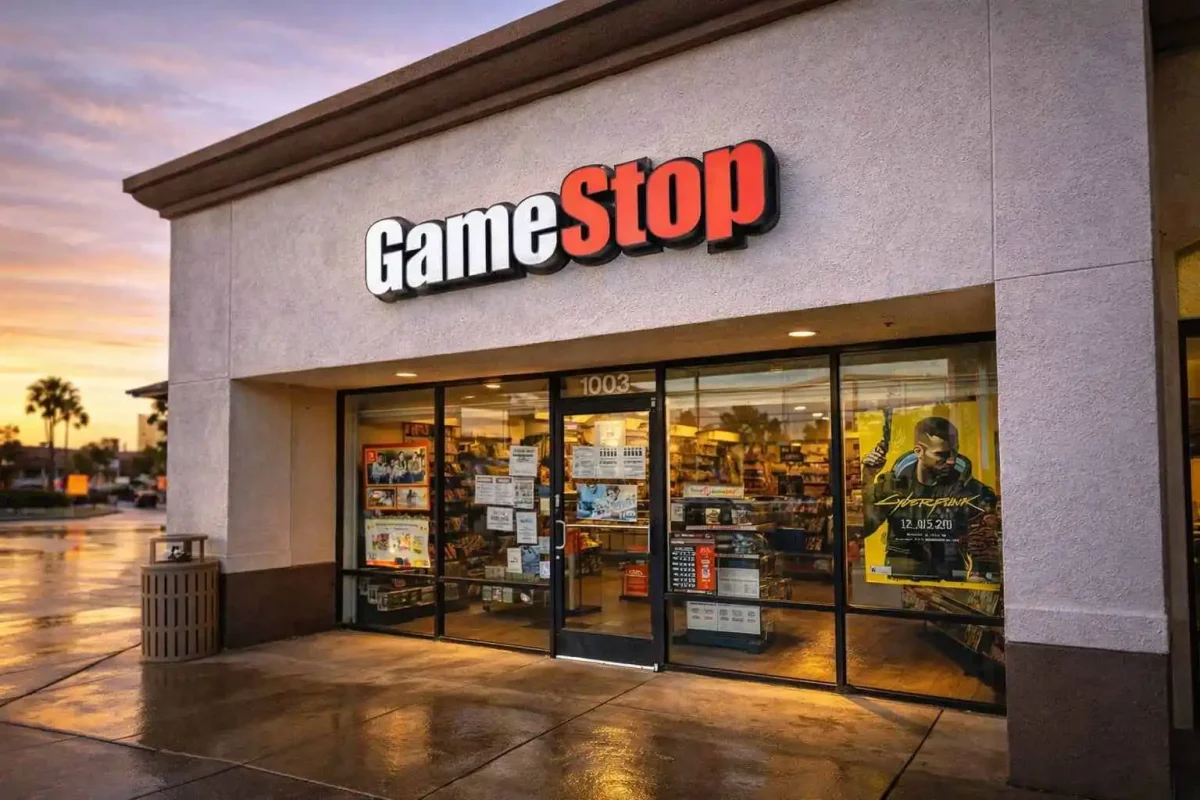
GameStop Corp. (NYSE: GME) experienced a modest decline in its stock price during Thursday morning trading, giving back a portion of the gains recorded the previous day. The retreat came as a limited-time promotion that had generated considerable buzz among retail investors came to an end.
At approximately 10:31 a.m. Eastern Time, shares of the video game retailer were trading at $25.24, representing a decline of roughly 1.6% from the prior close. Earlier in the session, the stock had touched an intraday high of $26.14 before reversing course.
The price movement underscores GameStop's continued sensitivity to retail-driven hype, even as the company's underlying business faces significant headwinds from the industry's ongoing shift toward digital downloads and online sales. The result is a pattern of sharp rallies followed by pullbacks as market participants weigh the potential for a turnaround against the reality of declining revenue.
Promotional Offer Expires
Earlier this week, GameStop launched a targeted promotion offering its Pro members up to $420.69 in cash for trading in an Xbox Series X or PlayStation 5 console. The offer, which was valid through April 22, appeared to tap into the meme stock community's affinity for the number 420, a reference often associated with cannabis culture.
By Thursday, however, the promotion had expired, and the company's trade-in pages reflected a sharp return to normal pricing levels. The maximum cash payout for an Xbox Series X dropped to $192.50, while those opting for store credit could receive up to $275. The promotion had helped drive a 4.74% rally in GameStop shares on Wednesday, according to financial news outlet Benzinga.
The deal highlighted GameStop's ongoing reliance on trade-ins and pre-owned game sales to drive foot traffic to its stores, a strategy that has become increasingly challenging as consumers embrace digital distribution platforms.
Strategic Pivot to Digital Collectibles
Amid the hype surrounding the trade-in promotion, GameStop has been quietly advancing its strategic shift toward the trading card and collectibles market. On April 14, the company introduced Power Packs, a digital trading card platform that allows customers to purchase digital packs linked directly to physical PSA-graded cards held in PSA's vault. The packs range in price from $25 to $2,500, targeting both casual collectors and serious investors.
This initiative comes as GameStop's traditional retail segment continues to contract. The company reported a 14% decline in fourth-quarter revenue in March, with hardware and accessories sales falling to $535.6 million from $725.8 million in the prior-year period. CEO Ryan Cohen has identified trading cards and collectibles as a "significant" priority for the company's future growth.
Financial Position and Valuation Concerns
Despite the challenges in its core business, GameStop maintains a robust balance sheet that provides management with considerable flexibility. The company's latest annual filing revealed $6.3 billion in cash and cash equivalents, along with an additional $2.7 billion invested in marketable securities, primarily short-term instruments, as of the end of January. The company also reported $4.2 billion in convertible notes, debt that could be converted into equity under certain conditions, and operated 2,206 stores globally.
However, valuation remains a point of contention among analysts. A discounted cash flow model published by Simply Wall St last week estimated GameStop's intrinsic value at $164.96 per share, suggesting the stock is currently undervalued. Yet the company's earnings multiple of 26.6 stands well above the specialty retail group's average of 20.8 and significantly higher than its immediate peers at 16.4, raising questions about whether the current price reflects underlying fundamentals.
Investor Michael Burry, known for his role in the "Big Short," commented in January that "the value is not in another big short squeeze," characterizing the stock more as a bet on Cohen's capital allocation decisions rather than a traditional value play.
Competitive Pressures and Short Interest
GameStop continues to face intense competition from big-box retailers, electronics stores, and digital platforms including Sony's PlayStation Network, Microsoft's Xbox Live, and Nintendo Switch Online. Each attempt to revive foot traffic and used-game trade-ins runs headlong into an industry that is increasingly tilted toward digital distribution.
As of March 31, approximately 62.8 million GameStop shares, representing 15.33% of the available float, were sold short, indicating a significant portion of the market remains bearish on the stock. If the company fails to execute a major strategic pivot and its core retail business continues to lose ground, investor attention is likely to shift back to declining sales and the pressure from digital rivals, rather than the latest round of hype.