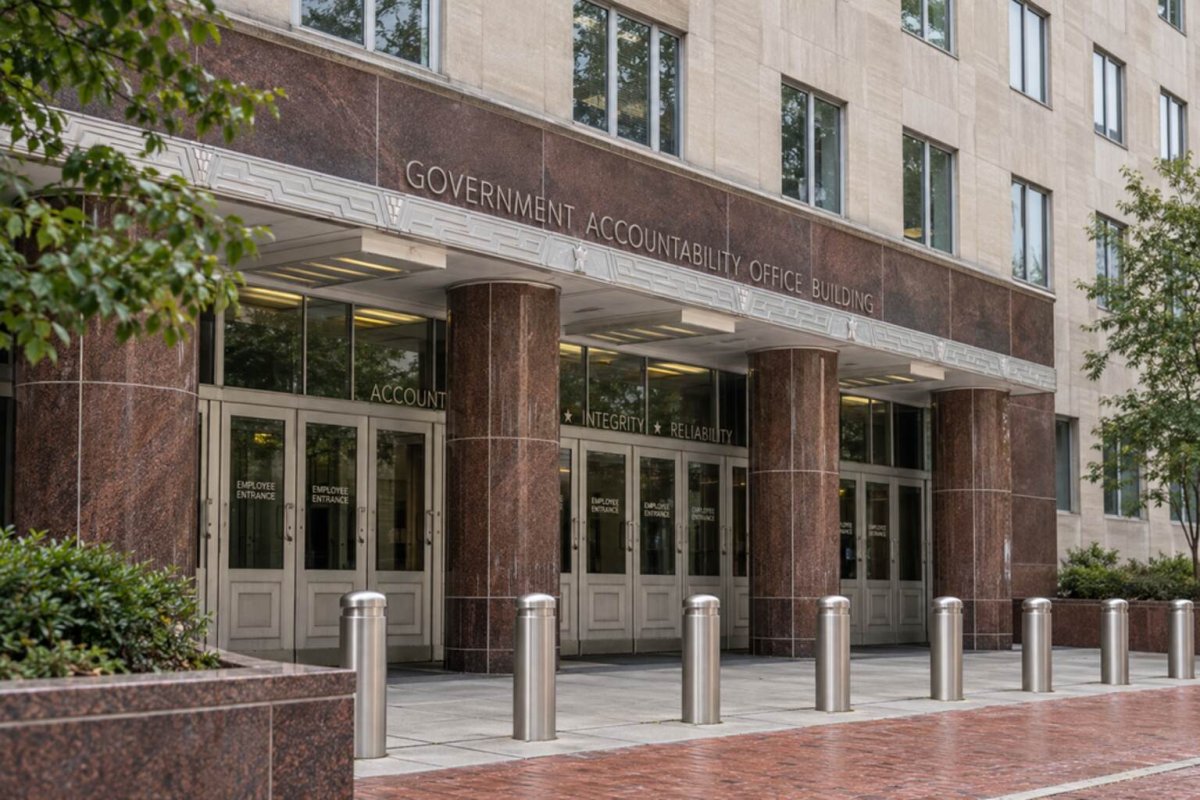
The Government Accountability Office (GAO) has quantified the cost of paid administrative leave tied to the Trump administration's deferred resignation program, estimating it at approximately $6.7 billion for 2025. However, the watchdog agency remains unable to confirm whether the broader workforce reduction initiative actually delivered the net savings claimed by officials.
In a report released on September 15, the GAO identified $9.5 billion in salary expenses for paid administrative leave across the federal agencies it reviewed. This represents a staggering 435% increase from 2023 levels. The GAO attributes roughly 70% of the 2025 cost—about $6.7 billion—to the deferred resignation program, which was a cornerstone of the Department of Government Efficiency's workforce reduction efforts.
Scope and Methodology
The GAO's analysis covered payroll data from 76 agencies, including 19 covered by the Chief Financial Officers Act. Together, these entities represent approximately 95% of the civilian federal workforce. The $6.7 billion figure is an estimate rather than a precise accounting, as payroll systems did not have a dedicated code for leave taken during workforce reductions. The GAO also noted erroneous reporting around public holidays, which could overstate the total. To isolate the resignation-related share, the agency used program assumptions and time-and-attendance data from payroll providers.
Program Details
Employees who accepted the deferred resignation offer generally stopped working but continued to receive salary until their resignation or retirement date, with some retirement-eligible workers remaining on leave until the end of the year. Federal agencies reported 21.6 million paid administrative-leave workdays in 2025, up from 4 million in 2023 and 4.4 million in 2024.
Savings Debate
The Office of Personnel Management (OPM) projects the program will save more than $20 billion annually, according to the GAO. If that figure materializes, the one-time $6.7 billion leave cost would be recovered in roughly four months—a calculation made by this publication, not by the GAO. OPM argues that the leave expense is a one-time cost, while lower payroll expenses will recur. The agency also reports that 139,928 employees participated and disputes claims that subsequent hiring has reversed the reductions.
However, the current payroll structure cannot verify these savings. A credible net-savings calculation would require data on avoided salary and benefits, leave costs, rehiring and contracting expenses, and any changes in service capacity. The GAO's finding is more limited: OPM lacks an easy and accurate way to identify the program's short-term leave cost in its own data.
Market Implications
For Treasury investors, neither the $6.7 billion cost nor the claimed $20 billion annual savings is large enough to significantly alter the federal borrowing outlook. The report is more useful as a test of fiscal-accounting credibility. Investors in federal contractors should also avoid interpreting the payroll estimate as a procurement forecast; a smaller civil service could reduce some spending while shifting other work to outside suppliers.
Next Steps
The GAO has recommended creating a dedicated payroll category for workforce-reduction leave and improving disclosure of known data defects. OPM has agreed to both recommendations. Until that category produces comparable cost data, the four-month payback remains a scenario built on an agency forecast rather than an audited return.