The latest consumer price data reveals a complex inflationary landscape. In August, the Consumer Price Index (CPI) climbed 0.4% from the previous month and 3.4% year-over-year. However, this headline figure masks a significant divergence: a sharp spike in gasoline prices accounted for more than a third of the monthly increase, while core inflation—which strips out volatile food and energy components—showed signs of cooling.
Core Inflation Trends
Core prices rose 0.3% in August, a modest monthly gain, but the annual rate eased to 2.4%, down from 2.5% in July. This deceleration in the 12-month core measure suggests that underlying price pressures may be gradually diminishing, even as energy costs create temporary volatility.
However, a single month's core increase of 0.3% is not necessarily benign. If sustained over a year, that pace would translate to approximately 3.7% annual inflation, underscoring that the battle against inflation is far from over. Investors are left to interpret whether this represents a genuine cooling trend or merely a pause in a broader upward trajectory.
Energy Shock and Its Implications
Gasoline prices jumped 3.9% in August, contributing significantly to the overall CPI rise. This increase, driven by renewed geopolitical tensions in the Middle East, has direct implications for household budgets, reducing discretionary spending power. The August data does not yet reflect the further spike in oil prices seen in September, suggesting that the energy shock may intensify in the coming months.
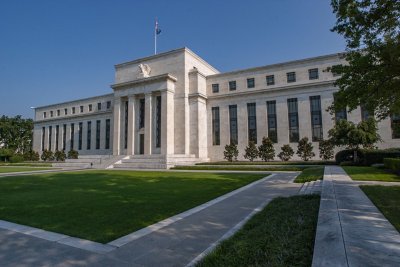
Federal Reserve Governor Christopher Waller, speaking before the data release, noted that continued disinflation would support holding the policy rate steady, while persistent hot inflation could justify an increase. The August report presents a mixed picture: the core annual rate is slowing, but the energy-driven headline number remains elevated.
Market Reactions
The bond market has already priced in some of these risks. The 10-year Treasury yield rose to 4.961% on Monday, up 15.5 basis points from the previous close, reflecting investor concerns about inflation and its potential impact on Fed policy. This move was also influenced by oil price volatility and equity market risk.
Beyond gasoline, other categories showed moderate increases. Shelter costs rose 0.3%, while communication, lodging, airline fares, education, and used vehicles also became more expensive. On the downside, medical care and motor-vehicle insurance saw declines.
Fed Decision Ahead
The Federal Reserve's upcoming policy announcement, scheduled for Wednesday at 2 p.m. Eastern, will be closely scrutinized. The central bank targets the Personal Consumption Expenditures (PCE) index, but the CPI report remains a critical input. The key question is whether policymakers view the energy shock as temporary or as a threat to inflation expectations.
If the Fed raises rates, it would signal that the risk of broader inflation spreading is seen as more costly. Alternatively, a hold would suggest that officials want more evidence on whether gasoline prices are feeding through to other sectors. The statement and updated projections will provide clarity on the central bank's stance.
For investors, the distinction between a headline number driven by energy and a core rate that is gradually cooling is crucial. The 3.4% headline may grab attention, but the underlying trends will likely have a more lasting impact on yields and equity valuations.