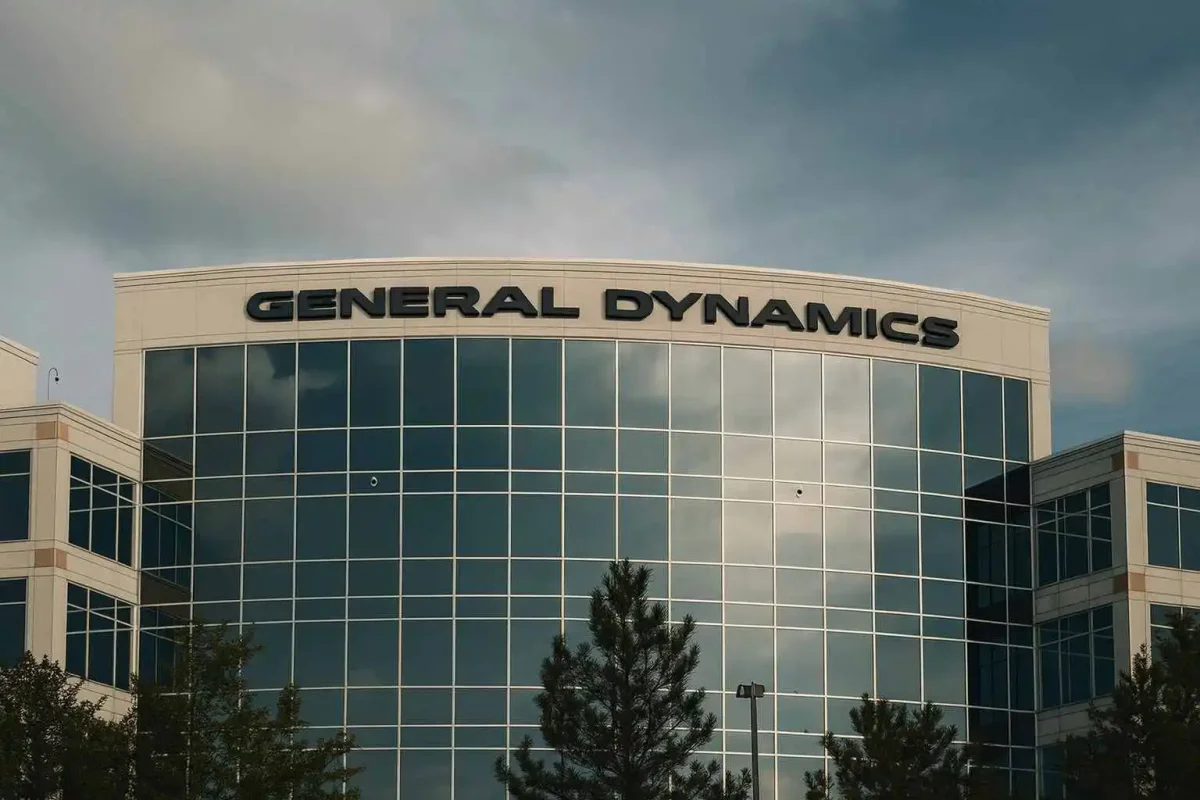
Investors are bracing for a volatile session for defense contractor General Dynamics (GD) as U.S. markets prepare to reopen on Monday, March 2, 2026. The opening follows a weekend of escalating geopolitical tensions after coordinated U.S. and Israeli military strikes targeted Iran. Iran responded with missile launches toward Israel and Gulf states hosting U.S. military facilities, injecting significant uncertainty into global financial markets.
Friday's Market Action and Weekend Developments
General Dynamics closed the previous trading session on Friday, February 28, at $357.05, marking a gain of 1.8% for the day. The stock has traded between $239.20 and $369.70 over the past 52 weeks. The broader defense sector also advanced ahead of the weekend, with Lockheed Martin (LMT) rising 2.56% to $658.08, RTX (RTX) climbing 2.52% to $202.62, and Northrop Grumman (NOC) adding 1.90% to $724.38. These gains occurred even as the S&P 500 index edged lower.
The immediate market fallout has centered on energy and global trade. Reuters reported that several major oil firms and trading houses have temporarily suspended crude and fuel shipments through the critical Strait of Hormuz, a vital chokepoint for global oil supplies. Middle Eastern stock exchanges, which began trading on Sunday, will provide an early indicator of regional risk sentiment.
Analyst Perspective on Defense Stocks
While defense shares often see initial strength following geopolitical events, analysts caution that sustained gains are not automatic. Bernstein analysts Douglas Harned and Adrien Rabier noted, "An attack may result in short-term upside for the stocks, but more would be required for sustained upside." They indicated that either a prolonged military campaign or a significant increase in defense budgets would be necessary to drive a lasting rally in the sector.
General Dynamics, with its diversified portfolio spanning business jets, submarines, land combat vehicles, and IT services, can experience conflicting pressures during periods of market volatility. The company operates through four main segments: Aerospace, Marine Systems, Combat Systems, and Technologies.
Recent Contracts and Financial Context
The company entered the weekend having recently secured new U.S. Department of Defense contracts. According to the Pentagon's daily update, General Dynamics Mission Systems was awarded a Navy contract valued at up to $36.15 million for fire-control system work on the nuclear-armed Sea-Launched Cruise Missile program. Separately, General Dynamics Electric Boat received approximately $45.0 million for Virginia-class submarine parts and materials.
Financially, the company's most recent earnings report in late January showed it exceeded Wall Street's profit and revenue forecasts for the quarter. However, its full-year adjusted profit outlook for 2026 fell short of consensus estimates, with management citing cost pressures and execution challenges.
Valuation and Broader Market Risks
According to data from Investing.com, the average analyst 12-month price target for General Dynamics stands at $394.53, with individual estimates ranging from a low of $327.00 to a high of $444.00. The stock's near-term trajectory appears heavily contingent on broader market movements.
Risks extend beyond geopolitics. In Washington, a Trump-era executive order threatens to restrict shareholder payouts for defense contractors if the Pentagon identifies significant delays in project delivery timelines. Reuters reported that the Pentagon is compiling a list of affected firms, which would have just 15 days to submit remediation plans.
The fundamental question for Monday is whether a potential rally in defense shares can withstand a possible broader market sell-off driven by spiking oil prices or heightened safe-haven demand. Conversely, any headlines suggesting de-escalation could rapidly erase the "war premium" priced into defense stocks. Trading in U.S. index futures on Sunday night and the Monday cash open will offer the first concrete read on how investors are balancing these complex, cross-current risks.