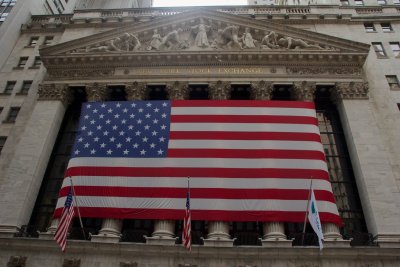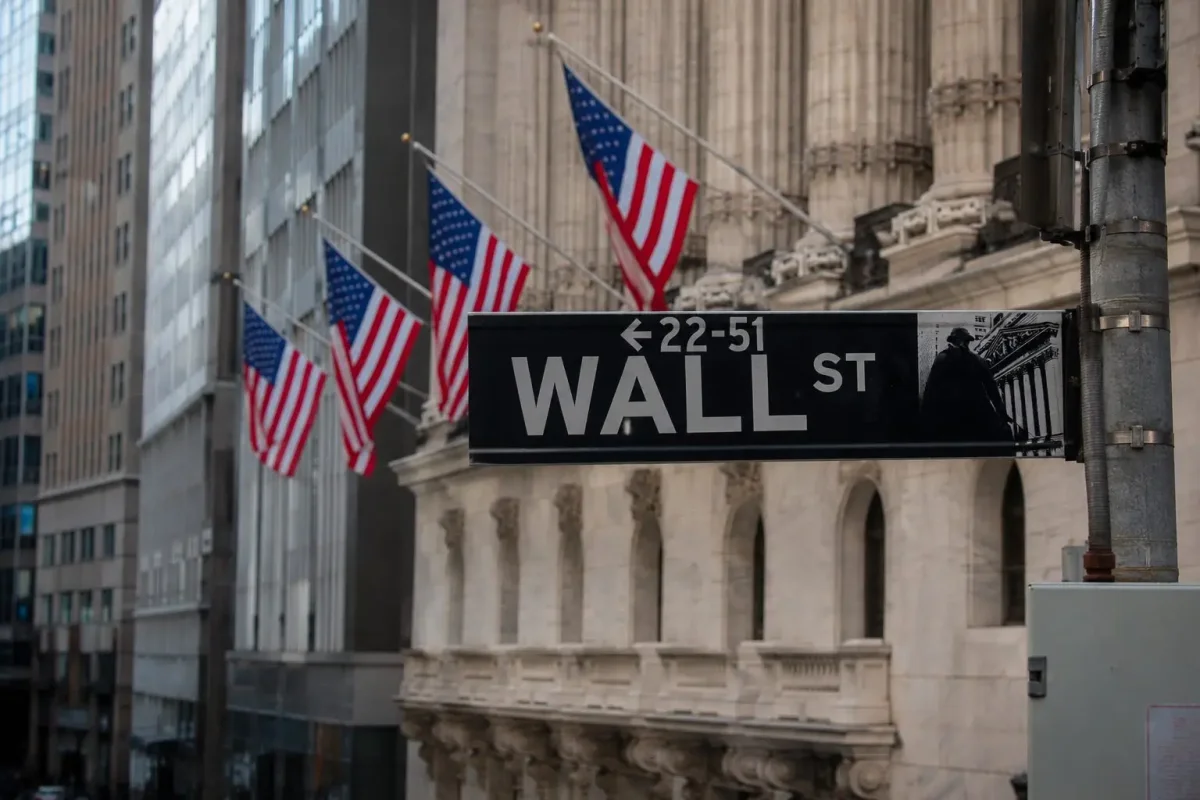
Wall Street closed the holiday-shortened week on a positive note Friday, with all three major U.S. indexes posting gains. The rally was fueled by a massive surge in Dell Technologies following its AI-related earnings report, while lower oil prices provided additional support. The Dow Jones Industrial Average rose 358.82 points, or 0.71%, to 51,027.94. The S&P 500 added 19.91 points, or 0.26%, to 7,583.61, and the Nasdaq Composite climbed 59.92 points, or 0.23%, to 26,978.21.
Dell Technologies was the standout performer, surging nearly 30% after reporting $16.1 billion in AI server revenue, which surpassed its PC unit sales of $14.6 billion. The company raised its fiscal 2027 AI server revenue target to $60 billion, up from an earlier $50 billion, and boosted its annual revenue guidance to a range of $165 billion to $169 billion. Analysts at Melius Research described the results as unprecedented, calling Dell "the best way to play AI out there."
The AI boom also lifted other infrastructure names. Super Micro Computer and Hewlett Packard Enterprise both climbed around 14%, while HP, which competes in PCs, added 10%. The concentration of gains in tech highlighted the market's continued appetite for AI-related investments, even as other sectors lagged.
On the earnings call, Dell COO Jeff Clarke noted that component inflation remains a challenge, with rising memory-chip prices affecting customers. "We're repricing, it feels like, every day," he said, underscoring the persistent cost pressures in the supply chain.
In commodities, oil prices retreated on speculation of a possible extension of the U.S.-Iran truce. U.S. crude fell 1.73% to settle at $87.36 a barrel, while Brent crude dropped 1.77% to $92.05. The decline in energy prices provided some relief to equity markets, as rising oil costs have been a key inflation concern.
Inflation data released Friday showed the personal consumption expenditures (PCE) price index rose 3.8% year-over-year in April. The core PCE index, which excludes food and energy, increased 3.3%. These figures are closely watched by the Federal Reserve as it assesses the path of monetary policy.
Ross Mayfield, investment strategy analyst at Baird, commented on the geopolitical backdrop, noting that a potential 60-day reopening of the Strait of Hormuz could give negotiators time to pursue a broader agreement. He added that the administration tends to announce major moves when markets are closed to control the narrative.
Looking ahead, market momentum hinges on AI earnings continuing to beat expectations and Middle East tensions not reigniting inflation. If oil prices climb again or the Fed adopts a more hawkish stance, the narrow rally driven by a handful of tech stocks could pose risks to the broader market. For now, Wall Street wrapped up May with solid gains, though the advance was not uniformly distributed across sectors.