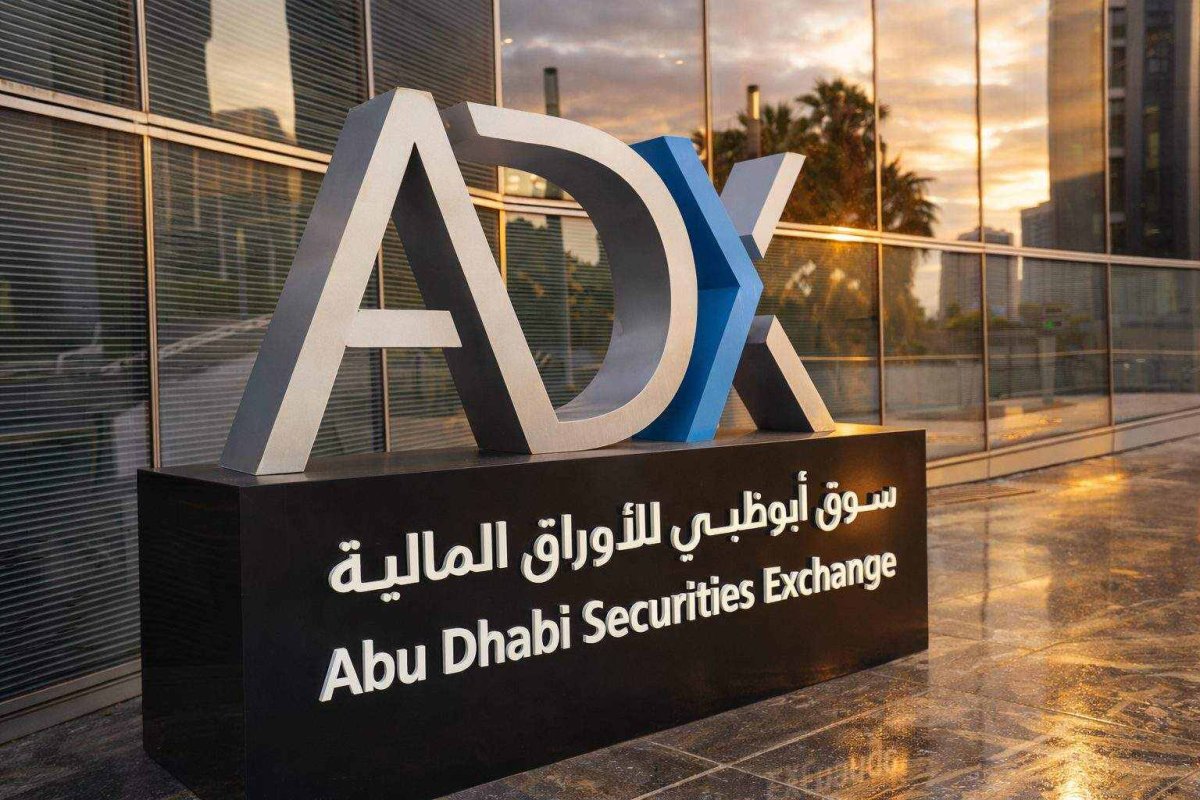
The Abu Dhabi stock market faced significant pressure at the end of the trading week, with the benchmark index closing down 1.3% on Friday. The decline was primarily driven by losses in banking and consumer sectors as investors reacted to deteriorating geopolitical conditions in the Gulf region. This sell-off followed the conclusion of U.S.-Iran negotiations in Geneva, which failed to produce meaningful progress, raising concerns about potential military escalation.
Regional Disruptions and Market Closure
Over the weekend, retaliatory strikes targeted major transportation hubs across the Gulf, causing significant operational disruptions. Dubai International Airport, which typically handles over 1,000 daily flights, sustained damage according to Reuters reports. Smoke was also observed drifting above the critical Jebel Ali port facility. These developments forced the closure of airports in Dubai, Doha, and Abu Dhabi, creating ripple effects across regional logistics and travel networks.
The Abu Dhabi Securities Exchange remained closed on Sunday as market authorities assessed the situation. Trading is scheduled to resume in the next session, with investors closely monitoring developments. The FTSE ADX General Index settled at 10,453.88 points on February 27, representing a decline of 141.41 points or 1.33% from the previous session's close.
Sector Performance and Key Decliners
Financial and consumer stocks bore the brunt of the selling pressure as market participants reduced exposure to risk-sensitive assets. First Abu Dhabi Bank, the UAE's largest lender, dropped 2.4% during Friday's session. Americana Restaurants International, a major food services company, experienced a more pronounced decline of 5.6%. These moves reflect typical market behavior during periods of heightened uncertainty, where investors initially exit liquid blue-chip positions.
Energy-linked stocks presented a more complex picture. While higher crude prices typically benefit regional energy companies, broader market stress can sometimes overwhelm these sector-specific advantages. The situation remains fluid, with potential for sharp reversals if geopolitical tensions show signs of easing.
Oil Market Dynamics and OPEC+ Meeting
Crude oil markets have returned to focus as trading resumes following the weekend disruptions. Brent crude futures gained 1.96% to reach $72.14 per barrel as of 1134 GMT on Friday. This upward movement occurred against a backdrop of increased risk premiums for shipments passing through the Strait of Hormuz, a critical chokepoint for global oil transportation.
In response to mounting geopolitical risks, Abu Dhabi National Oil Company (ADNOC) has reportedly offered partners additional Murban crude supplies for April loading, according to trade sources. "The boost in exports will definitely create a short-term buffer," commented Scott Shelton, an analyst at TP ICAP.
The Organization of the Petroleum Exporting Countries and its allies, collectively known as OPEC+, are scheduled to meet to discuss production policy. Market participants are anticipating a potential decision to increase output beyond the previously scheduled 411,000 barrels per day for April. One source indicated that the figure under consideration might exceed this baseline amount.
Analyst Outlook and Market Sentiment
Barclays made a significant revision to its Brent crude price forecast, raising its outlook sharply to approximately $100 per barrel from just $80 the previous day. This adjustment reflects the rapidly changing risk assessment in energy markets. The investment bank's revised projection underscores how quickly analyst expectations can shift during periods of geopolitical instability.
Aviation experts highlighted the scale of the disruption to regional air travel. "The scale of these hubs today is just so enormous," noted John Strickland, a UK-based aviation analyst. Eric Schouten of Dyami Strategic Security Advisors warned that airspace restrictions could persist "for quite some time" depending on security developments.
Forward-Looking Considerations
The week ahead presents several critical variables for Abu Dhabi investors. The OPEC+ production decision will significantly influence energy sector performance, while any developments in the Iran conflict will drive broader market sentiment. Traders will be watching for secondary effects, including potential disruptions to shipping through the Strait of Hormuz and continued challenges to regional travel connectivity.
Market dynamics are unlikely to move in a single direction. A larger-than-expected OPEC+ supply increase could moderate oil's recent price surge, while even tentative signs of de-escalation could trigger a relief rally in oversold financial and consumer stocks. Most of the decisive action is expected early in the week, with the ADX reopening providing the first test of investor appetite following the weekend's developments.
Oman's foreign minister indicated that technical talks between the involved parties would shift to Vienna next week, offering a potential diplomatic channel for de-escalation. However, with major regional transportation hubs experiencing operational challenges and energy markets adjusting to new risk premiums, Abu Dhabi investors face a complex set of variables as they navigate the evolving situation.