Gold and silver prices surged on Monday, while oil markets experienced a sharp downturn following a landmark agreement between the United States and Iran to reopen the Strait of Hormuz. The deal, which halts hostilities and aims to restore shipping through the critical waterway, has shifted investor focus away from oil-driven inflation and toward the possibility of interest rate relief.
Oil Prices Hit Three-Month Low
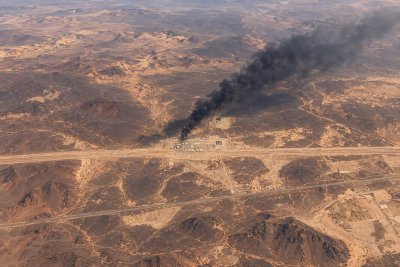
Brent crude futures tumbled 4.8%, or $4.16, to settle at $83.17 per barrel, while U.S. West Texas Intermediate crude dropped 5.2%, or $4.39, to $80.49 per barrel. Both benchmarks touched their lowest levels since March 10, according to Reuters. The decline came after former President Donald Trump announced that the strait would reopen "toll free" and that the U.S. would lift its naval blockade of Iranian ports, allowing oil tankers to resume passage through the Southern "Highway."
Precious Metals Rally
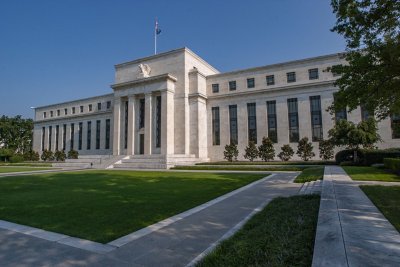
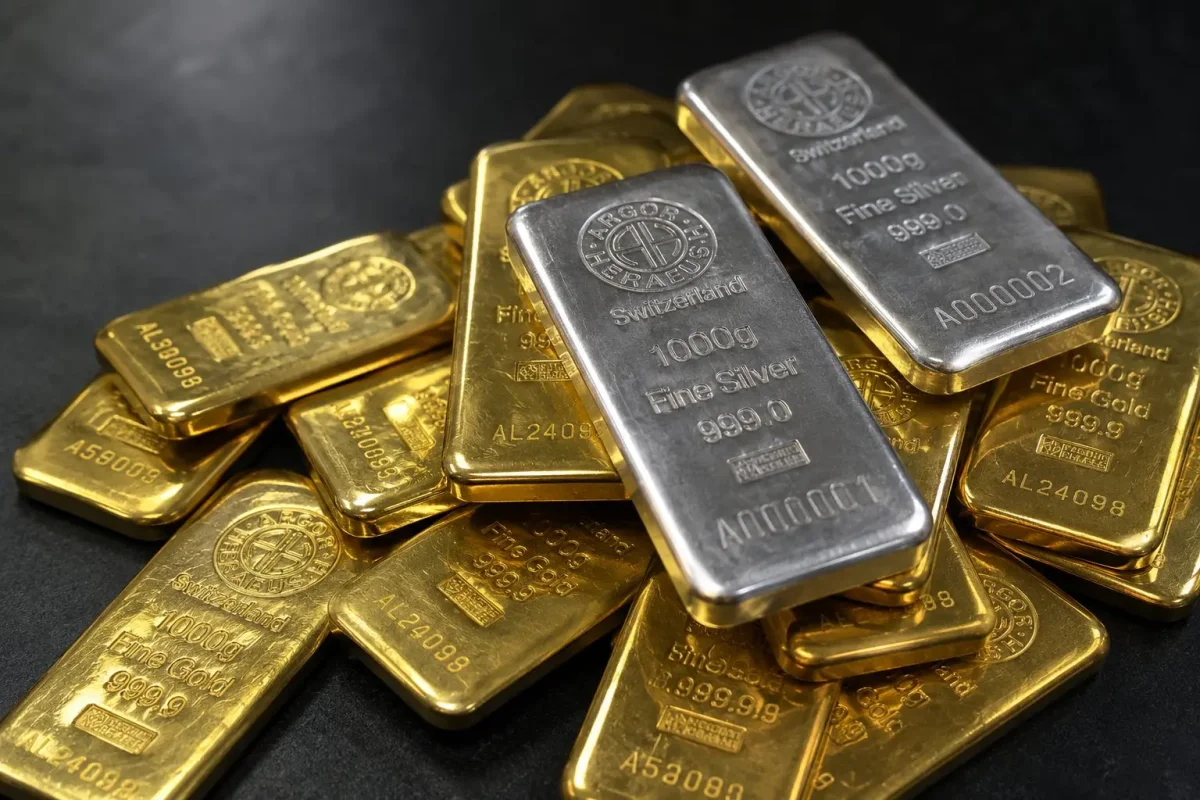
Spot gold rose 3% to $4,344.77 per ounce, its highest since June 9, while U.S. gold futures gained 3% to $4,366.80. Silver climbed 4.6% to $71.07 per ounce, and other precious metals also advanced, with platinum up 4.6% and palladium rising 5.1%. The rally was driven by traders reducing bets on a U.S. rate hike ahead of the Federal Reserve's June 16-17 meeting. "The gold market is moving past the conflict and pricing it out," said Phillip Streible, chief market strategist at Blue Line Futures.
Market Context and Implications
The Strait of Hormuz had been effectively closed for more than three months, blocking approximately 20% of global oil and LNG flows. While the reopening deal is a positive step, analysts caution that a full recovery will take time. "It will take time for oil to approach the pre-crisis level," said Tamas Varga at PVM Oil Associates. Shippers remain wary, with mine-clearing operations expected to continue for weeks, and nuclear issues and shipping safety remain unresolved.
Some analysts believe crude oil has limited downside if the agreement holds. Ole Hansen at Saxo Bank suggested Brent could find a floor around $75 to $80 per barrel. David Jorbenaze at ICIS estimated that it could take four to six months for trade flows to normalize, and if the pact holds, pre-conflict shipping levels might not return until 2027.
Broader Market Impact
The dollar index traded near a 10-day low as traders pulled back on expectations for a rate hike this year. The easing of inflation concerns also boosted safe-haven demand for metals, though buying slowed as the session progressed. Spot gold hovered around $4,336.20, up 2.79%, while spot silver was at $70.670, up 4.07%. The Federal Reserve's upcoming meeting will be closely watched for any shifts in monetary policy.
The deal, still only a framework, is expected to be formalized with a memorandum of understanding in Switzerland on Friday. However, nuclear talks have been delayed for another 60 days, leaving significant uncertainties. The energy market has been closely tracking the strait for months, and while the agreement provides a path to stability, full normalization remains a distant prospect.