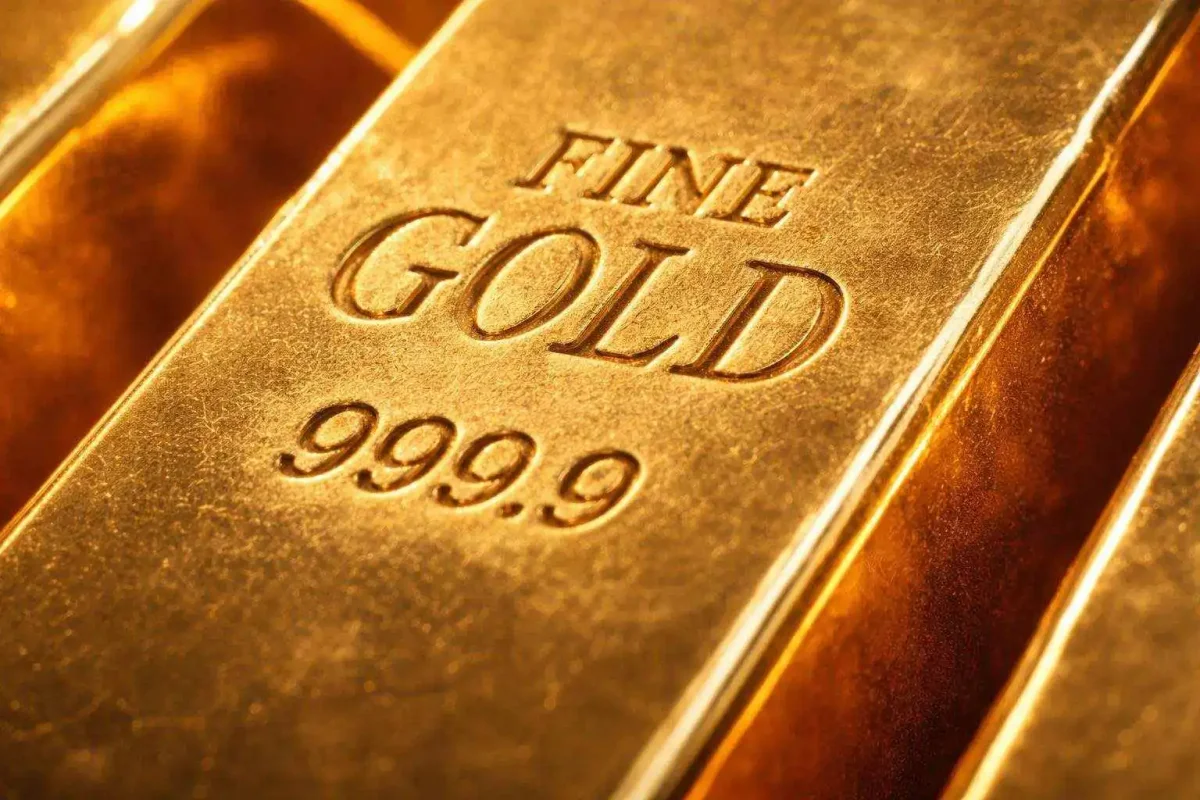
Gold prices steadied near $4,784 per ounce on Friday, positioning the precious metal for its fourth consecutive weekly gain. Spot bullion edged down 0.1% by 0815 GMT, while U.S. gold futures mirrored the slight decline. Despite the modest daily dip, the metal has climbed approximately 0.9% over the course of the week.
The rally in gold is being driven by a confluence of factors extending beyond geopolitical tensions. A weakening U.S. dollar, which is on track for a second weekly decline, has made dollar-denominated gold more affordable for holders of other currencies. Concurrently, Brent crude oil holding below the $100 per barrel mark has alleviated some market anxiety about runaway energy costs reigniting inflationary pressures and keeping interest rates elevated—conditions that typically diminish the appeal of non-yielding assets like gold.
Diplomatic developments are commanding significant market attention. A 10-day ceasefire between Lebanon and Israel commenced on Thursday. Furthermore, U.S. President Donald Trump suggested the possibility of a meeting between the United States and Iran over the weekend. Tim Waterer, chief market analyst at KCM Trade, noted that investors are seeking "concrete progress in U.S.-Iran negotiations," adding that a sustained truce could help gold "unlock more upside."
The metal is trading close to its highest level in a month, having recouped some of the losses sustained during a pullback in March. Market participants have been wary that conflict-driven surges in oil prices could prolong a period of higher borrowing costs. David Meger, director of metals trading at High Ridge Futures, indicated that signs of easing tensions between the U.S. and Iran would increase the likelihood of interest rate cuts from the Federal Reserve, potentially providing a tailwind for the entire precious metals complex.
Market expectations for monetary policy have shifted notably. According to the CME FedWatch Tool, traders are currently pricing in only a 27% probability of a 25-basis-point rate cut in December. This marks a sharp retreat from expectations of two cuts prior to the recent escalation of Middle East conflicts. A basis point is one-hundredth of a percentage point.
In the broader precious metals space, spot silver gained 0.7% to $78.97 an ounce. Platinum was largely unchanged, holding around $2,085.70, while palladium slipped 0.1% to $1,548.82.
Physical market activity presented a mixed picture. In India, a major consumer, buyers remained on the sidelines ahead of the Akshaya Tritiya festival, with domestic gold prices hovering near 153,200 rupees per 10 grams. Bernard Sin, regional director for Greater China at MKS PAMP, observed that Chinese premiums had faded to $3 an ounce, reflecting tepid demand, and highlighted ongoing central bank purchases as a key support for the market.
A significant logistical snag is emerging in India's import pipeline. Banks have paused new gold and silver orders as they await fresh authorization from the government. This has left over 5 tons of gold and 8 tons of silver stranded at customs. Surendra Mehta, national secretary of the India Bullion and Jewellers Association, warned that without swift clarity on imports, the risk of local shortages and higher premiums looms as the festival season progresses.
Underlying risks persist. Andrew Chorlton, chief investment officer for public fixed income at M&G, described markets as "somewhat complacent" given the continued closure of most of the Strait of Hormuz. He cautioned that a failure in weekend diplomacy could trigger another spike in oil prices, rekindling inflation concerns and keeping pressure on gold, even as some investors may seek its traditional safe-haven status.
Ultimately, bullion finds itself in a tug-of-war. On one side, immediate demand for safe-haven assets has cooled with the ceasefire. On the other, a softer U.S. dollar continues to underpin its attractiveness. On Friday, the supportive effect of the weaker greenback appeared to be outweighing the fading geopolitical premium.