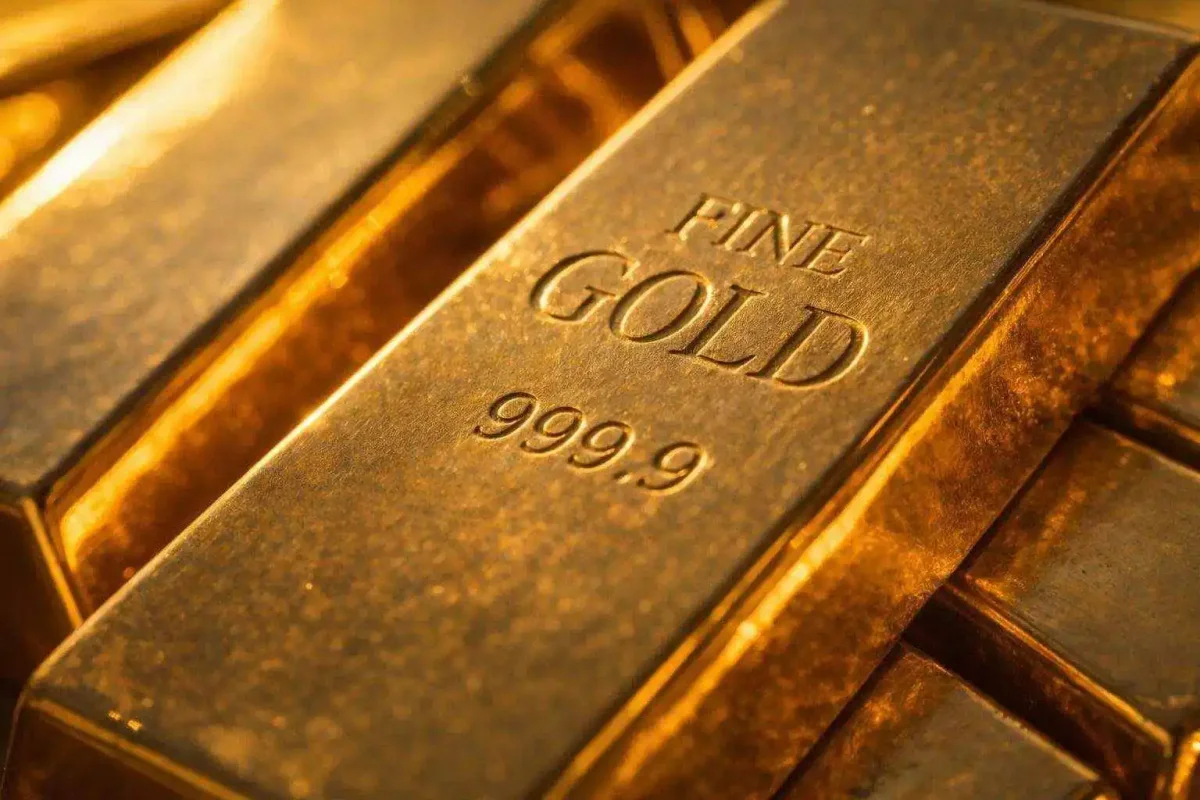
Gold prices retreated on Monday, pressured by a resurgent U.S. dollar and climbing bond yields as a dramatic spike in crude oil reignited fears of persistent inflation. Spot bullion dropped 1.2% to $5,109.39 per ounce as of 10:12 GMT, with U.S. gold futures for April delivery shedding 0.8% to $5,118.20. The sell-off extended an earlier session decline, with spot prices having tumbled more than 2% at one point.
Oil Shock Drives Market Anxiety
The primary catalyst for the market turmoil was a roughly 25% surge in oil prices, with Brent crude briefly spiking to $119.50 a barrel. This dramatic move was fueled by escalating geopolitical tensions involving the U.S., Israel, and Iran, creating significant uncertainty over energy supply. Analysts noted the absence of a clear diplomatic resolution, with the threat of broader economic fallout growing. The oil price jump heaped fresh inflation concerns onto central bankers and investors alike, directly challenging narratives around imminent monetary policy easing.
Rate Expectations Recalibrated
The inflation shockwaves from the energy market prompted a swift reassessment of interest rate trajectories. Data from the Investing.com Fed Rate Monitor Tool showed traders assigned approximately a 96.9% probability that the Federal Reserve would hold rates steady at its upcoming March 18 meeting. Looking further out, the odds for the Fed maintaining the current 3.50%-3.75% target range by June stood at 62.9%, based on Fed funds futures pricing. This marked a significant pullback in expectations for near-term rate cuts, diminishing one potential support pillar for non-yielding gold.
U.S. stock index futures skidded more than 1% as equity markets came under pressure. Investors sought safety in the U.S. dollar, which firmed broadly, while sterling logged its sharpest daily drop in over a month as currency traders offloaded currencies of energy-importing nations. The U.S. two-year Treasury yield briefly touched its highest level since late November, reflecting market pricing for an extended period of restrictive monetary policy.
Precious Metals Complex Under Pressure
The downdraft affected the entire precious metals sector. Silver eased 0.3% to $84.07 per ounce. Platinum fell 1% to $2,113.97, and palladium retreated 1.3% to $1,604.09. The weakness highlighted gold's paradoxical behavior during certain stress episodes; while often considered a geopolitical safe haven, it can face selling pressure when market stress triggers liquidity crunches or boosts the dollar and yields. The lack of inherent yield makes bullion less attractive when interest rates are perceived to be staying higher for longer.
Market commentators pointed to the severe implications of the energy price surge. "We are now looking at a vastly increased chance of a U.S. and global recession as inflation surges," said Chris Beauchamp, chief market analyst at IG, identifying soaring energy costs as a direct threat to economic growth. Similarly, Susannah Streeter, chief investment strategist at Wealth Club, stated, "Investors are bracing for an inflation crisis," as oil returned to levels not seen since 2022.
Producer Nations Adjust Policies
With gold prices remaining historically elevated above $5,000 an ounce, producer nations are adjusting fiscal regimes. Ghana is set to introduce a sliding-scale royalty system, following a review that will raise the ceiling rate to 12% if gold reaches $4,500 an ounce. Isaac Tandoh, CEO of the country's Minerals Commission, indicated that while there was diplomatic resistance, stakeholders were "not against the review in principle."
The immediate outlook for gold remains tethered to the trajectory of oil prices and the dollar. A reversal in the oil rally and a dollar pullback could see bullion quickly regain its footing, especially if rate-cut discussions re-emerge. However, with energy markets tight and yields pushing higher, the path of least resistance may remain downward for now, even amid a flurry of negative geopolitical headlines. The current price action demonstrates that oil-driven inflation worries are decisively outweighing any traditional safe-haven demand for gold.