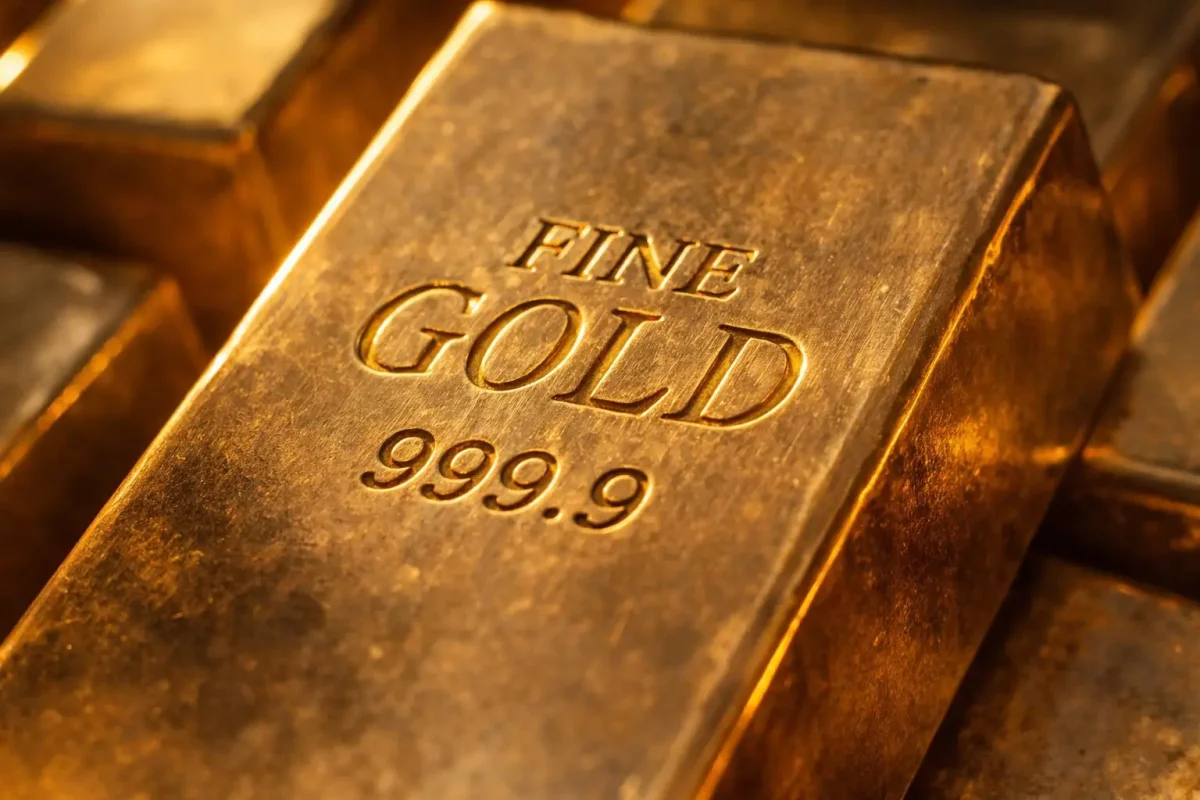
Precious metals staged a powerful recovery on Friday, with spot gold surging 3.6% to $4,536.29 per ounce in late-morning New York trading. The April futures contract for U.S. gold mirrored the move, rising to $4,533.70. This rally marks a decisive reversal from earlier in the week, when bullion plunged to a four-month low of $4,097.99.
A Technical Rebound Amid Market Turmoil
The sharp upturn materialized after prices breached a critical technical threshold, the 200-day moving average, which many traders interpret as a buy signal. "This is an incredible time to buy gold," stated Daniel Pavilonis, senior market strategist at RJO Futures. He anticipates a "slow grind higher" in the coming weeks, viewing the recent dip as a temporary setback rather than a bearish trend.
The week was characterized by extreme volatility, highlighting the ongoing tug-of-war between escalating geopolitical risks in the Middle East and recalibrated expectations for U.S. monetary policy. These conflicting forces have created a turbulent environment for non-yielding assets like gold.
Inflation and Rate Fears Weigh on Sentiment
A primary driver of the earlier selloff was the persistent strength in oil markets, with prices holding firmly above $110 a barrel. This has exacerbated existing inflation concerns, compelling traders to dramatically reassess the likelihood of Federal Reserve interest rate cuts in 2026. According to the CME Group's FedWatch Tool, market bets on rate reductions this year have been entirely erased. Money markets now price in approximately a 60% chance of a Fed rate hike before year-end.
The shifting outlook propelled the U.S. 10-year Treasury yield to approximately 4.44% on Friday, while the U.S. dollar index continued its ascent. A stronger dollar and higher yields typically create headwinds for dollar-denominated gold, as they increase the opportunity cost of holding the metal.
Broader Precious Metals Complex Rallies
The bullish sentiment extended across the precious metals spectrum. Spot silver outperformed, jumping 4.4% to $71.01 an ounce. Platinum gained 3%, and palladium advanced 3.7%. In key physical markets, the price pullback attracted some bargain-hunting. Indian dealers reported a modest return of buyers, though many remained on the sidelines hoping for a steeper decline.
Activity in China was more subdued. Premiums there tightened to a range of $14 to $18 per ounce, down from $10 to $22 the prior week. "Physical demand has cooled," noted Bernard Sin, regional director for Greater China at MKS PAMP. However, structural support from ongoing central bank purchases and import quota restrictions helped underpin the market.
Analysts Divided on the Path Forward
Despite the strong one-day bounce, analysts caution that the fundamental pressures that drove gold to multi-month lows have not dissipated. Jim Wyckoff, senior analyst at Kitco Metals, warned that persistent conflict and hot inflation could push the metal "dip below $4,000." Conversely, he suggested a ceasefire could reignite rate-cut speculation and propel prices "back toward $5,000."
Some institutions remain optimistic on the medium-term outlook. Commerzbank raised its year-end gold forecast to $5,000 an ounce from $4,900, viewing the recent weakness as short-lived. The bank's thesis hinges on the Middle East conflict concluding in the spring and the Fed resuming rate cuts before the end of the year, following a period of consolidation between $4,100 and $4,600.
Ultimately, while Friday's rally provided relief for gold bulls, the market remains in a state of flux. The potent combination of elevated oil prices, a robust dollar, and climbing Treasury yields—the very factors that catalyzed the selloff—persists, suggesting that volatility is likely to remain the dominant theme for the foreseeable future.