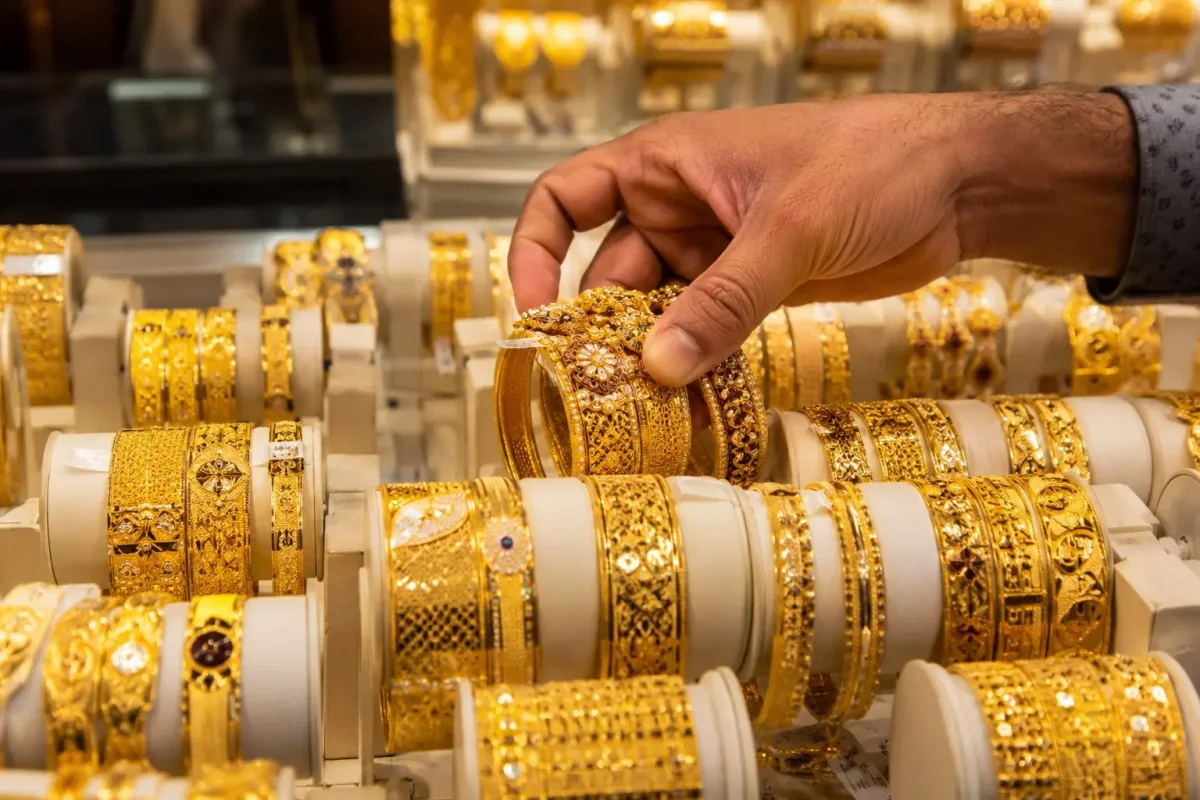
Gold prices soared nearly 3% on Monday, reaching $4,344.90 per ounce, following news of a tentative peace agreement between the United States and Iran. The deal, which aims to end hostilities and reopen the Strait of Hormuz, triggered a sharp decline in oil prices and a weaker U.S. dollar, while also reducing market expectations for another Federal Reserve interest rate hike.
Spot gold was trading at $4,336.49 per ounce as of 1044 GMT, according to Reuters, while August Comex futures rose 2.81% to $4,357.70 in early U.S. trade, based on CME data. The rally marks a significant rebound for the precious metal, which had recently fallen below its 200-day moving average for the first time in two and a half years.
Market Impact and Sector Performance
The surge in gold prices had a notable impact on mining stocks and gold-focused ETFs. The VanEck Gold Miners ETF (GDX) rose 3.0% to $80.03, outperforming the metal itself, as mining companies typically benefit from higher bullion prices due to improved profit margins. The SPDR Gold Shares ETF (GLD) also gained, reflecting broad investor interest in gold as a safe-haven asset.
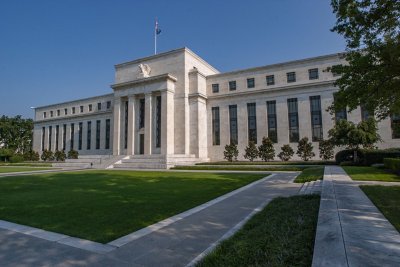
Analysts caution, however, that the sustainability of this rally depends on several factors. The Federal Reserve's upcoming meeting on June 16-17, where Chair Kevin Warsh will deliver his first policy press conference, is a key event. Markets now see a 53% chance of a rate hike in December, down from 69% a week ago, according to Reuters data. A dovish stance from the Fed could further support gold, while a hawkish surprise might reverse gains.
Oil and Dollar Dynamics
The peace deal sent oil prices lower, as the prospect of increased supply from the region eased inflation fears. Lower oil prices reduce inflationary pressure, which in turn lessens the urgency for the Fed to raise rates. This dynamic has been supportive for gold, which tends to lose appeal when interest rates rise due to its lack of yield.
The U.S. dollar weakened against major currencies, making gold cheaper for overseas buyers and further boosting demand. Analysts point to ongoing reserve diversification by central banks, policy uncertainties, and persistent inflation as underlying drivers of gold demand. However, State Street's Aakash Doshi noted that the biggest risk for gold remains the possibility of further Fed rate hikes if inflation continues to run hot.
Outlook and Key Events
Short-term traders are now focused on whether the U.S.-Iran deal holds and whether cheaper oil will keep pressure off the Fed. The market's attention turns to Wednesday, when the Fed announces its rate decision and Chair Warsh holds his first press conference. Most analysts expect the Fed to hold rates steady at 3.50%–3.75% and to release updated economic projections.
Given the recent volatility, UBS analyst Giovanni Staunovo expects some consolidation in the near term as markets digest the news and await further guidance from the Fed. The technical backdrop remains important, with gold's recovery above its 200-day moving average being a positive signal, but the metal's ability to hold these gains will be tested in the coming days.