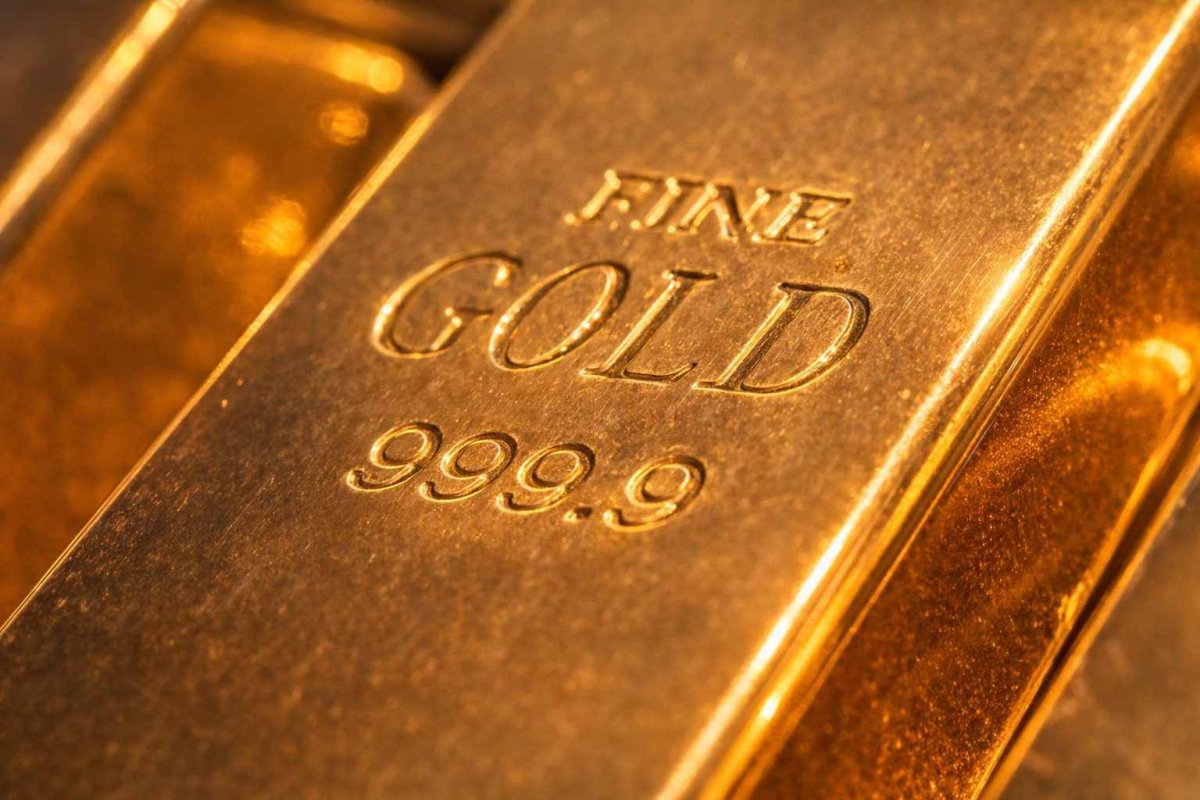
Gold prices staged a significant rally on Tuesday, with spot bullion advancing 1.5% to $4,808.69 per ounce by late morning trading in New York. U.S. gold futures followed suit, gaining 1.4% to settle at $4,833.10. The surge marked a sharp reversal from the previous session's losses, driven primarily by a dual tailwind of a depreciating U.S. dollar and a retreat in crude oil prices.
Currency and Commodity Drivers
The U.S. Dollar Index, a key gauge of the greenback's strength against a basket of major currencies, slumped to 98.05—its lowest level since March 2. Analysts attributed the decline to shifting market interpretations of the administration's foreign policy stance, which some traders viewed as hinting at a potential de-escalation path in ongoing geopolitical tensions. Karl Schamotta of Corpay noted a pervasive "lack of conviction" hanging over currency markets, contributing to the dollar's softness.
Concurrently, oil markets turned lower. Brent crude futures fell to $95.43 a barrel, while U.S. West Texas Intermediate crude dropped to $92.48, relinquishing a portion of Monday's surge above the $100 threshold. The pullback was linked to growing optimism that U.S. and Iranian officials might return to negotiation tables in Islamabad before the week concludes, despite the collapse of weekend talks and recent U.S. sanctions on Iranian ports.
Inflation Data Provides Relief
Further support for gold emerged from the latest U.S. inflation metrics. The Producer Price Index for March showed a 0.5% increase, notably softer than the 1.1% rise economists had anticipated, even as energy components remained firm. Christopher Rupkey of FWDBONDS characterized the report as "not as bad as feared." This development is crucial for non-yielding assets like gold, which often struggle when investors anticipate aggressive interest rate hikes to combat inflation. The data helped ease immediate concerns about the Federal Reserve's monetary policy trajectory.
The precious metals complex saw broad gains. Silver outperformed, skyrocketing 4.7%, while platinum added 0.9%. Palladium was the lone decliner, dipping 0.2%. Bob Haberkorn of RJO Futures summarized the dynamic succinctly, stating that "lower dollar, lower oil" was providing a direct boost to bullion.
Reversing a Recent Slump
Tuesday's rally offered a reprieve for gold, which has endured a challenging period. The metal remains down nearly 10% from its pre-war highs, even as U.S. equity indices have fully recovered their related losses. This performance underscores a shift in gold's behavior; it appears to be trading more in correlation with oil prices, dollar movements, and interest rate expectations than with its traditional role as a pure safe-haven asset during equity turmoil.
The previous trading session, Monday, had told a different story. Spot gold fell 0.3% to $4,734.50—its weakest closing price since April 7—after weekend peace talks faltered. Phillip Streible of Blue Line Futures described the environment as a "headline-driven market." Supporting this view, CME FedWatch data indicated traders had significantly reduced their expectations for a Federal Reserve rate cut by year-end, with the probability falling to 29% from 40% just a month prior.
Energy Market Volatility Remains a Key Wildcard
The broader commodity landscape remains fraught with uncertainty. According to the International Energy Agency, the ongoing conflict removed 10.1 million barrels per day of oil supply from the market in March. The agency highlighted the potential restart of shipping through the Strait of Hormuz—a chokepoint that handled nearly 20% of global oil and gas flows before the war—as the paramount wildcard for both crude prices and the global economy. Each significant swing in the oil market continues to reverberate through the gold pit.
John Kilduff of Again Capital framed the oil sell-off as a bet on "a better outcome" from diplomacy. Cheaper crude alleviates upstream inflationary pressures, which in turn can provide gold with more room to advance outside the shadow of restrictive monetary policy.
Risk of a Rapid Reversal
Despite Tuesday's strong performance, analysts caution that the rally is fragile and built on tentative hopes rather than concrete resolutions. Charu Chanana of Saxo Bank warned, "Markets are trading hope, not resolution." The clear risk is that if negotiations break down anew or oil prices surge again, gold's gains could evaporate as swiftly as they appeared. The metal's trajectory in the coming sessions will likely hinge on the next headlines from diplomatic channels and the subsequent reactions in the currency and energy complexes.