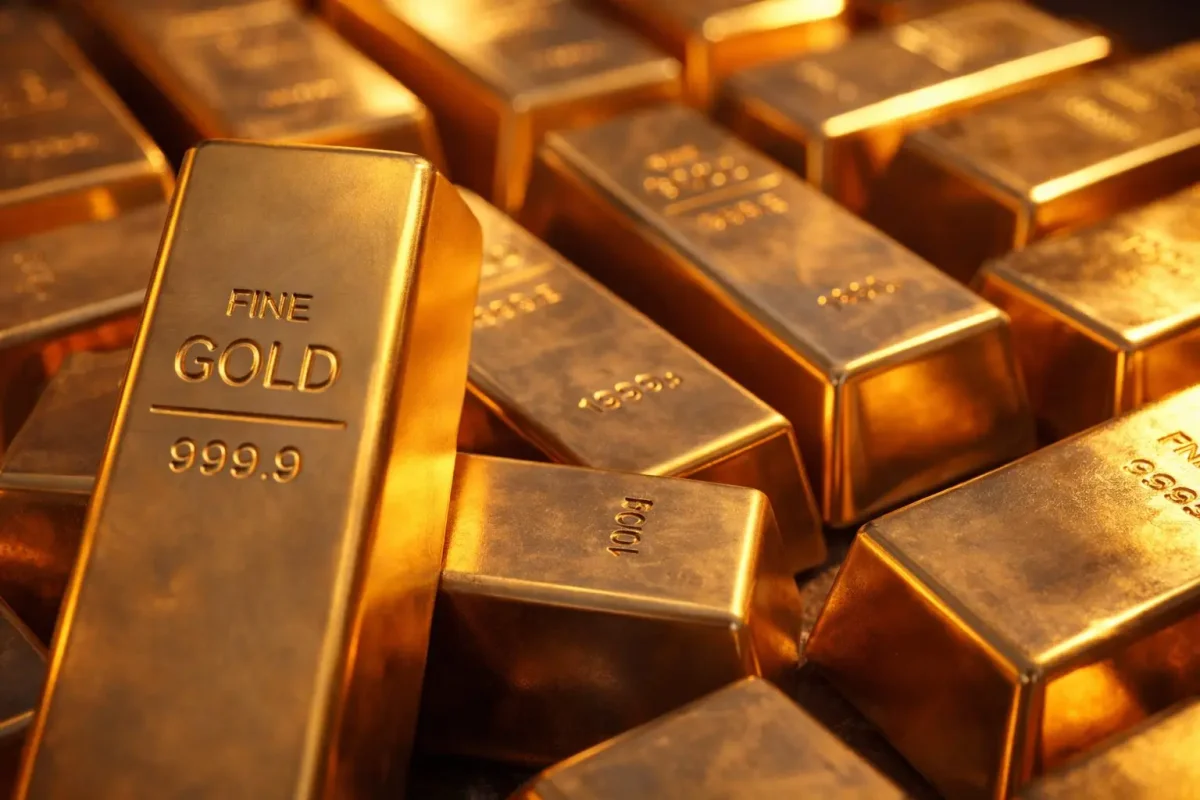
Gold staged a significant recovery on Tuesday, March 10, 2026, reversing the prior session's losses as a dramatic selloff in the energy complex and a modestly weaker U.S. dollar provided a dual tailwind for the precious metal. Spot gold prices advanced 1.7% to settle at $5,222.74 per ounce by late afternoon trading. The most active April gold futures contract on U.S. exchanges posted an even stronger gain of 2.6%, closing at $5,234.40.
Precious Metals Rally Broadens
The rally extended across the precious metals spectrum. Silver prices surged 2.8%, while platinum gained 2.4%. Palladium was the sole laggard, edging down 0.9%. Analysts attributed the broad-based strength to a recalibration of market expectations regarding the Federal Reserve's monetary policy path. "The sharp pullback in oil is materially easing the pressure on the Federal Reserve concerning the timing and magnitude of potential interest rate cuts," noted Bart Melek, head of commodity strategy at TD Securities.
Oil's Dramatic Reversal Fuels the Move
The primary catalyst for gold's resurgence was a historic plunge in crude oil prices. Brent crude futures, the global benchmark, tumbled $10.45 to settle at $88.51 a barrel, a decline exceeding 10%. U.S. West Texas Intermediate (WTI) crude fell a similar $10.61 to $84.16. The selloff was triggered by comments from former President Donald Trump suggesting a potential de-escalation of tensions in the Middle East. Concurrently, G7 energy ministers opted against an immediate release of emergency petroleum stockpiles, instead tasking the International Energy Agency with evaluating alternative measures.
This reversal was stark. Just a day earlier, oil prices hovering near $120 a barrel had stoked intense inflation fears, bolstered the U.S. dollar, and fueled bets that the Fed would maintain higher interest rates for longer. That environment had hammered gold, sending spot prices down 1.5% to $5,091.62 on Monday. "The dynamic has completely flipped," said one trader. "Energy was the main inflation driver, and its collapse removes a key headwind for non-yielding assets like gold."
Dollar Softens, Adding Support
Further supporting bullion, the U.S. Dollar Index, which gauges the greenback against a basket of major currencies, edged down 0.1% to 98.74. Michael Brown, a senior research strategist at Pepperstone, observed that markets had been pricing in a rapid resolution to geopolitical conflicts, but renewed clashes in regions like Iran were complicating those assumptions and weighing on the dollar's safe-haven appeal.
All Eyes on U.S. Inflation Data
Market attention now pivots decisively to upcoming U.S. inflation reports. The Labor Department is scheduled to release the Consumer Price Index (CPI) for February at 8:30 a.m. Eastern Time on Wednesday. This data point is considered critical, as a reading significantly above consensus estimates could reignite fears of persistent inflation and abruptly shift expectations for the Fed's rate trajectory, potentially undoing gold's Tuesday gains.
The inflation narrative will be further refined on Friday with the publication of the Personal Consumption Expenditures (PCE) price index, the Federal Reserve's preferred inflation gauge. With the Federal Open Market Committee (FOMC) not scheduled to meet again until March 17-18, gold traders face a volatile few days where softer energy prices may provide underlying support, but a hotter-than-expected inflation print could swiftly erase the recent bounce.
Physical Market Divergence and Broader Risks
In the physical markets, a disconnect has emerged. In Dubai, a crucial hub for gold shipments to India and other Asian markets, dealers reported prices at a discount of $10 to $30 per ounce compared to the London benchmark. Flight disruptions and tepid local demand were cited as reasons, leaving bullion stranded and buyers hesitant. Nicky Shiels, head of metals strategy at MKS PAMP, highlighted the market's vulnerability to the "known unknowns" of ongoing conflicts, warning it was a recipe for continued volatility.
The broader market calculus reflects heightened caution. Traders are now pricing in the first Fed rate cut for July, a delay from earlier expectations. John Belton, a portfolio manager at Gabelli Funds, pointed to a more systemic risk: if resurgent oil prices begin to re-anchor consumer inflation expectations higher, it could derail the disinflation narrative altogether. In such a scenario, any rebound in gold might prove fleeting, as the metal would face renewed pressure from a potentially more hawkish central bank stance.