Goldman Sachs has revised its Federal Reserve policy outlook, no longer anticipating a rate cut in 2026, a move that has sent ripples through Wall Street. The decision comes on the heels of stronger-than-expected May employment figures, which showed U.S. employers adding 172,000 jobs and the unemployment rate holding steady at 4.3%, according to the Labor Department.
The shift marks a significant pivot for the investment bank, which had previously forecast a rate cut in December 2026. Now, investors are grappling with the possibility that the Fed may hold rates steady or even hike them later this year. The CME FedWatch tool reflects this uncertainty, pricing in a 42.7% probability of a rate hike in December.
Market Reaction
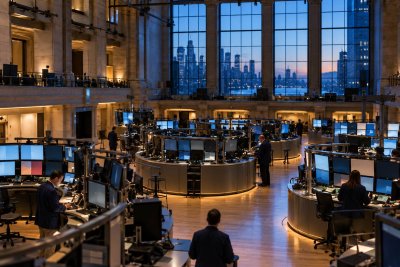
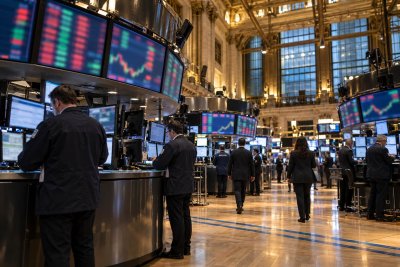
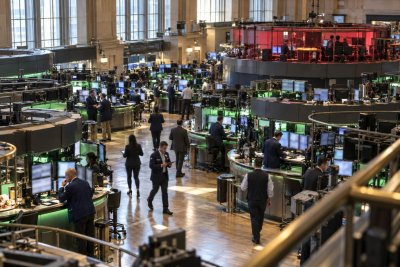
Financial markets reacted sharply to the news. The tech-heavy Nasdaq Composite plummeted 4.18% on Friday, while the S&P 500 fell 2.64%. The Philadelphia semiconductor index suffered its steepest one-day decline since March 2020, underscoring the vulnerability of high-growth sectors to tightening monetary policy.
“After the record run we’ve seen the last nine weeks in equities, specifically tech and semiconductors, the dam just broke today,” said Ryan Detrick, chief market strategist at Carson Group. He noted that the jobs report leaves the Fed in a difficult position if it intends to cut rates this year.
Wall Street Shifts
Goldman joins a growing chorus of Wall Street banks stepping back from rate-cut bets. Bank of America had already forecast no rate cuts in 2026, and other major institutions are following suit. However, Citigroup remains a notable outlier. Citi economists, led by chief U.S. economist Andrew Hollenhorst, continue to predict three 25-basis-point cuts this year, in September, October, and December. Hollenhorst expects the labor market to weaken in the coming months, a view that is increasingly rare among his peers.
A Reuters commentary last month noted that Citi and MUFG are nearly alone in forecasting aggressive Fed action, characterizing the labor market as “stable, but fragile.” Hollenhorst’s team argues that weaker growth and tepid hiring are unlikely to push inflation high enough to warrant a hike.
Fed and Inflation Concerns
The Federal Reserve’s new chair, Kevin Warsh, is set to preside over his first policy meeting on June 16-17. Friday’s payroll report has alleviated some job market concerns, allowing officials to maintain their focus on inflation. Cleveland Fed President Beth Hammack described the economy as near full employment and called inflation “high, moving higher.” Fed Governor Christopher Waller has not ruled out additional rate hikes if inflation does not recede.
The International Monetary Fund recently pushed back its timeline for inflation to reach the Fed’s 2% target to the end of 2027, citing energy shocks and tariffs. “We do see sort of upside risk to inflation,” said IMF spokesperson Julie Kozack.
Outlook and Implications
The market’s recent rally, particularly in AI-related stocks and big tech, has been fueled by expectations of policy easing. With Goldman stepping back, investors are now confronting the possibility that such support may not materialize this year. While the consensus currently leans toward no cuts, the situation remains fluid. A sudden weakening of jobs data could revive the case for easing, while another burst of inflation could tip the scales toward a hike.
As Goldman President and COO John Waldron told CNBC last week, “exuberance” characterizes equity markets, but the question is when that exuberance becomes irrational. Friday’s sell-off suggests that confidence is fragile, and the path ahead for markets remains uncertain.