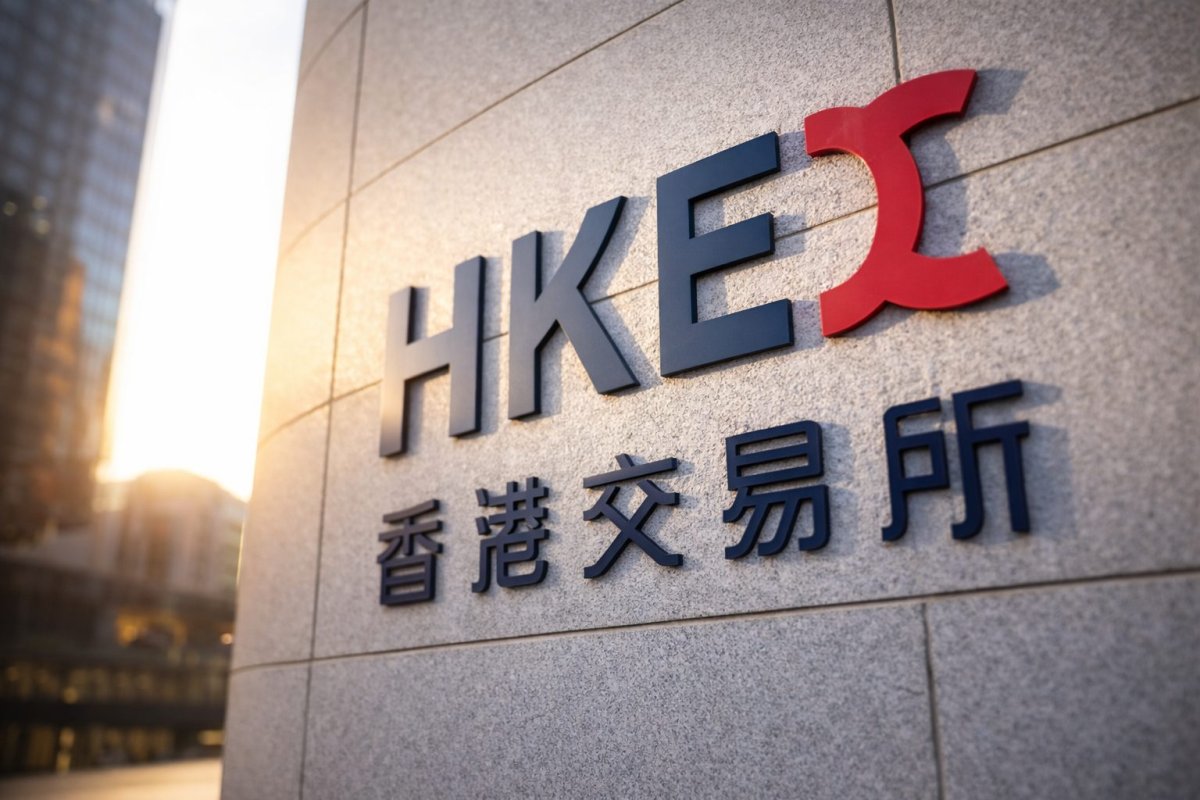
Hong Kong Exchanges and Clearing Limited (HKEX) shares experienced a choppy trading session on Friday, ultimately closing at HK$407.80, representing a modest decline of 0.24%. The session saw the stock oscillate between an intraday low of HK$406.40 and a high of HK$411.80 before settling just below the previous close. This movement occurred as Hong Kong markets reopened following the Lunar New Year holiday, with broader market sentiment appearing subdued.
Broader Market Context and Upcoming Catalyst
The benchmark Hang Seng Index mirrored the weak tone, falling 1.1% to close at 26,413.35. Technology stocks were cited as a primary drag on the index. Investor attention is now firmly fixed on the upcoming week, with HKEX scheduled to release its final annual results on Wednesday, February 26. This event typically prompts position adjustments by institutional and retail investors alike, making the preceding sessions particularly sensitive to any market developments or commentary from the exchange.
IPO Momentum and Strategic Reforms
Speaking at a market-opening ceremony on Friday, HKEX Chairman Carlson Tong characterized the start of 2026 as "very encouraging" for the bourse operator. He provided concrete figures to support this optimism, revealing that the exchange currently has 488 companies in its initial public offering pipeline. So far this year, 24 listings have been completed, collectively raising approximately HK$87 billion in capital.
Chairman Tong also highlighted ongoing strategic reforms aimed at enhancing market structure. Notably, a public consultation is currently underway regarding the potential implementation of a "T+1" settlement cycle. This shift, meaning trades would settle one business day after execution instead of two, could significantly influence trader behavior and funding requirements. For HKEX, whose revenue is closely tied to trading turnover, clearing volumes, and listing fees, such structural changes are critical to its long-term fee generation engine.
London Metal Exchange Developments
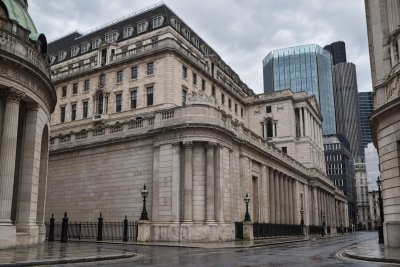
Beyond its core Hong Kong equities market, HKEX's subsidiary, the London Metal Exchange (LME), has implemented permanent position limits for members holding large stakes in near-dated contracts. These limits were initially introduced as a temporary measure last year. Concurrently, the LME has enacted a series of fee adjustments, including introducing a one-time charge of $6,250 for "Brand Listers" alongside a $1,000 annual fee, while eliminating the fee for members crossing orders on its LMEselect electronic platform.
While these LME-specific changes may not have an immediate, direct impact on the daily trading of HKEX's stock, they are emblematic of the group's broader strategy to optimize revenue streams across its diversified portfolio of businesses. This ties directly into the central question for investors ahead of the earnings report: whether the group is successfully monetizing shifts in global trading activity and market structure.
Key Considerations for Investors
As markets prepare to reopen on Monday, several factors will be under scrutiny. Trading turnover will be a critical metric to watch, as it directly feeds into HKEX's core transactional revenue. Investors will also assess whether HKEX shares can decouple from or keep pace with the broader Hang Seng Index.
The substantial IPO pipeline, while a positive indicator of future potential listing fees, comes with a caveat: not all pipeline companies ultimately complete their listings. Market conditions, particularly risk appetite and the volatility of key sectors like technology, can quickly alter the pace of new issuances. The post-holiday listing rush could slow if broader financial conditions tighten.
The upcoming earnings release on February 26 represents the next major scheduled catalyst. Any guidance or commentary from management regarding the timing of reforms like T+1 settlement, updates on the IPO pipeline conversion rate, or shifts in revenue contribution from different business segments—including the LME—could materially influence the stock's direction in the near term.