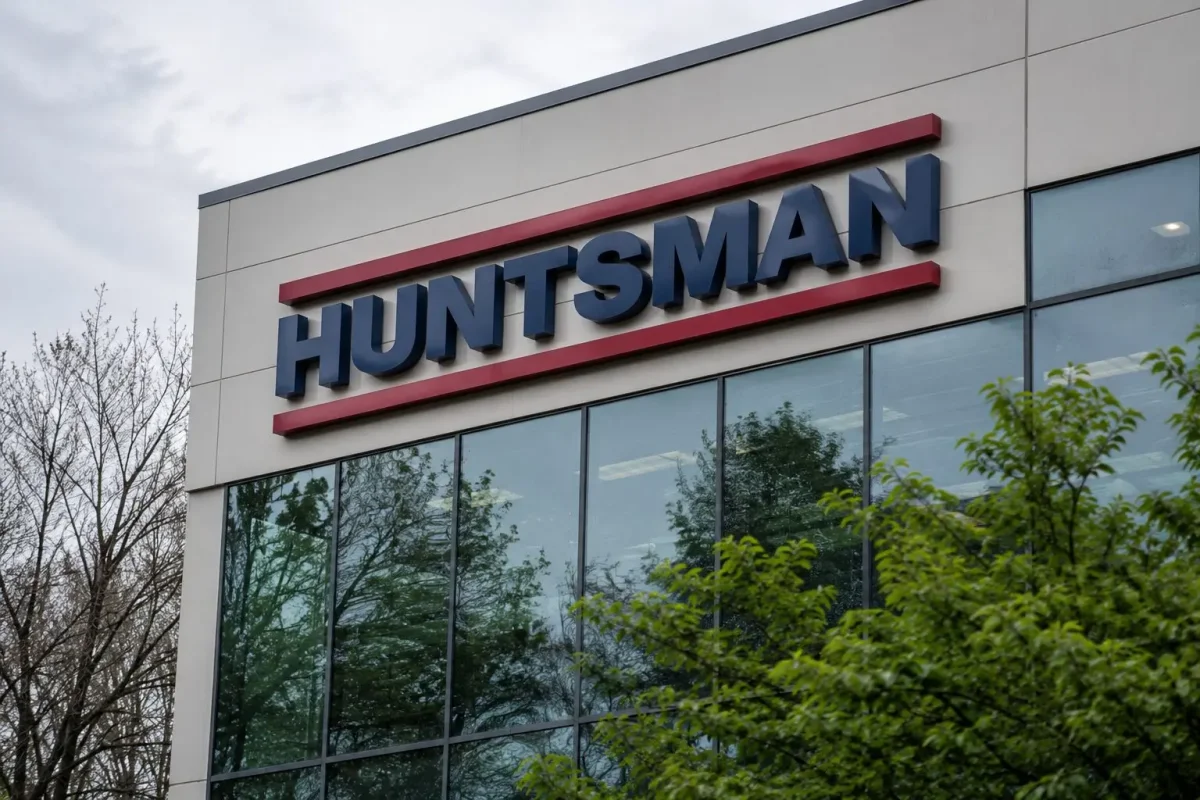
Huntsman Corporation (NYSE: HUN) saw its stock price plunge approximately 18% on Tuesday following the announcement of an all-stock merger with Olin Corporation (NYSE: OLN). The deal, structured as a merger of equals, has left Huntsman shareholders facing an immediate valuation gap, as the fixed exchange ratio ties the company's value directly to Olin's falling share price.
By midday, Huntsman shares were trading at $13.06, down sharply from Monday's close of $15.89. The stock touched an intraday low of $12.55 on exceptionally heavy volume of nearly 14 million shares, reflecting intense market reaction to the transaction's terms.
Under the agreement, Huntsman shareholders will receive 0.5476 Olin shares for each Huntsman share they own. Based on Olin's closing price before the announcement, this exchange ratio implied an offer value of approximately $13.85 per Huntsman share, which is about 12.8% below Huntsman's last market close. Reuters calculated the overall transaction value at roughly $2.43 billion.
The deal's structure means that Huntsman's value is now closely tied to Olin's stock performance. With Olin shares also declining—down about 7% on Tuesday to $23.52—the live value of the offer for each Huntsman share fell to approximately $12.88, below Huntsman's current trading price. This dynamic has transformed Huntsman into more of a merger-arbitrage play than a standalone chemicals stock.
Peter Huntsman, the company's chairman, noted that the companies used a 30-day volume-weighted average price (VWAP) to set the exchange ratio, aiming to reflect current market conditions. However, the immediate market response suggests skepticism about the deal's near-term benefits.
The bull case for the merger centers on the combined entity's scale and cost synergies. The merged company, to be called OlinHuntsman, would have generated approximately $12.5 billion in revenue in 2025 and expects to achieve over $400 million in identified cost synergies and integration benefits. Olin CEO Ken Lane described the deal as an opportunity to create "a more resilient and value-focused chemicals company," with the companies targeting the first $300 million of benefits within 24 months of closing.
On the other hand, the bear case highlights the risks of accepting Olin stock during a challenging chemicals cycle. Stagnant demand, higher European production costs, and regulatory pressures weigh on the sector. Huntsman's own recent financial performance underscores these challenges: first-quarter revenue was $1.42 billion, but the company posted a net loss of $53 million and used $91 million in free cash flow.
The next major catalyst for the deal will be the filing of the Form S-4 registration statement and joint proxy statement with the SEC. These documents will detail the risks, financial details, and the shareholder vote process. The transaction is expected to close in the first half of 2027, subject to regulatory approvals and votes from both Olin and Huntsman shareholders.
For now, Huntsman stock appears broadly fairly valued but risky. Upside depends heavily on Olin's stock recovering and the merger benefits proving credible, while downside could come from further weakness in Olin, regulatory delays, shareholder resistance, or doubts about the promised synergies.