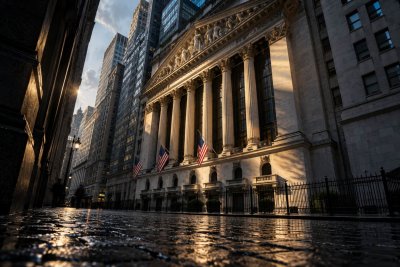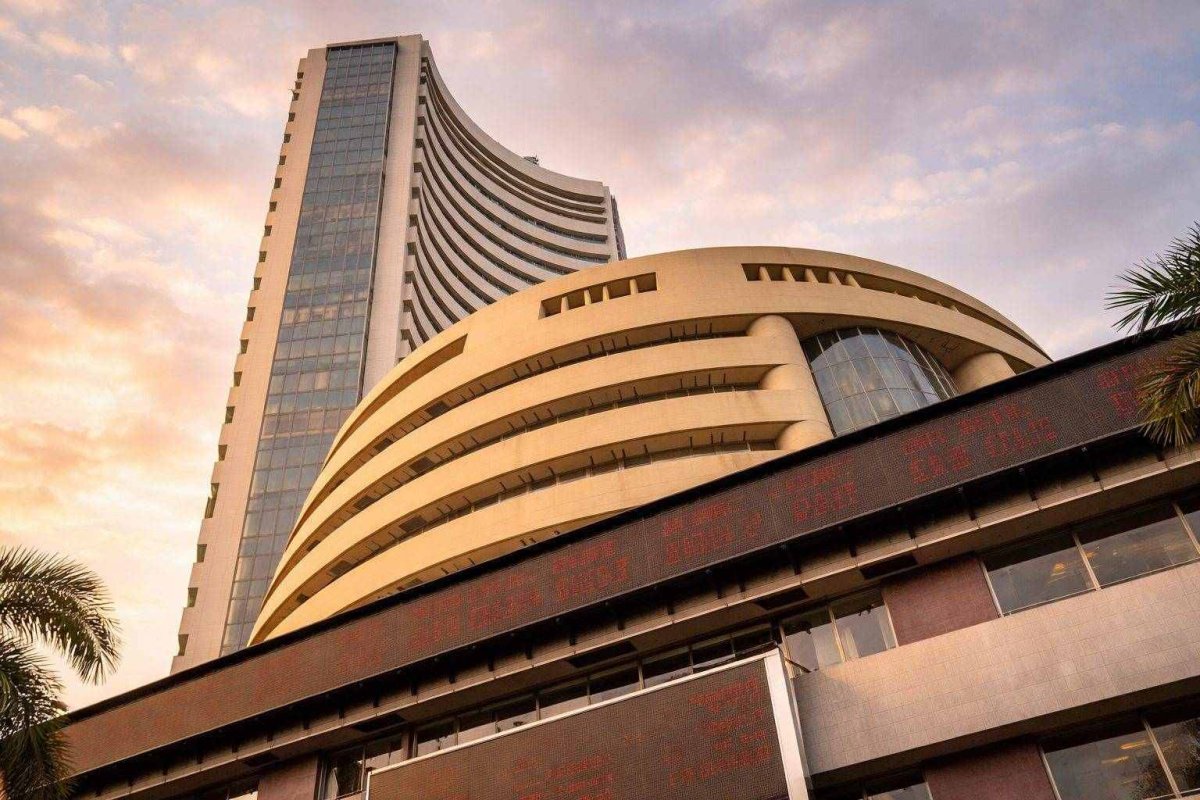
Indian equity markets witnessed a significant sell-off on Wednesday, March 11, 2026, erasing the previous session's gains as renewed volatility in global oil prices and heightened geopolitical risks rattled investor confidence. The benchmark Nifty 50 index declined 1.63% to settle at 23,866.85, while the BSE Sensex dropped 1.72% to close at 76,863.71. The downturn pushed the Nifty below the psychologically significant 24,000 level, with both indices hovering near one-year lows established earlier in the week.
Oil Price Volatility and Inflation Concerns
The primary catalyst for the market weakness was a sharp rebound in crude oil prices, with Brent crude futures climbing 4% to $91.32 per barrel. This reversal followed a 9.1% plunge the prior day, which had been spurred by comments from U.S. President Donald Trump suggesting the Middle East conflict might be short-lived. India's acute sensitivity to oil price movements was a central theme, given the nation imports approximately 85% of its crude requirements. Analysts highlighted data from the Reserve Bank of India's October 2025 monetary policy report, indicating that every 10% increase in crude prices could add roughly 30 basis points to domestic inflation.
The market's reaction was broad-based, with twelve out of sixteen major sectoral indices ending the session in negative territory. The financial sector, particularly sensitive to macroeconomic stability, was among the hardest hit. HDFC Bank shares fell 1.8%, while ICICI Bank declined 1.3%. The broader market also felt the pressure, with the midcap index shedding 1.3% and the smallcap index easing 0.4%.
Select Outperformers Amid the Gloom
Despite the pervasive selling, a handful of stocks managed to post gains, primarily within the gas distribution sector. Adani Total Gas surged a remarkable 20% after the Indian government invoked emergency protocols to redirect gas supplies. This move was a response to liquefied natural gas (LNG) shipping delays in the Strait of Hormuz, a critical chokepoint for global energy shipments. Gujarat Gas advanced 4%, and Indraprastha Gas rose 3.5% on the same news. In a separate development, Sedemac Mechatronics saw its shares pop 7.3% on their market debut.
The energy heavyweight Reliance Industries, which had traded higher earlier in the session, ultimately reversed course to close down 1.3%. The company's performance is often seen as a bellwether for market sentiment given its significant weighting in the indices and its operations across the energy-to-consumer spectrum.
Currency and External Sector Pressures
The turmoil in equity markets was mirrored in the currency market. The Indian rupee weakened to 92.04 against the U.S. dollar, underperforming most of its Asian peers. This depreciation occurred despite suspected dollar-selling intervention by state-run banks, underscoring the strong headwinds from elevated oil import costs and foreign portfolio outflows. A sustained period of high oil prices presents a dual threat: it widens India's current account deficit and fuels imported inflation, complicating the central bank's policy calculus.
Market experts expressed caution regarding the near-term outlook. "Volatility isn't going anywhere," stated Sunny Agrawal, head of fundamental equity research at SBICAPS Securities, citing oil's wild price swings and the unresolved geopolitical conflict. Devarsh Vakil of HDFC Securities earlier described the market mood as "basically on edge." The benchmarks have now lost roughly 5% since the onset of the Iran conflict, with Wednesday's drop wiping out a substantial portion of Tuesday's rally.
Potential Scenarios and Market Implications
The path forward for Indian markets appears heavily contingent on the trajectory of oil prices and the duration of Middle East tensions. Analysts warn that a prolonged conflict or a more severe disruption to shipping traffic through the Strait of Hormuz could keep crude prices elevated, exerting continued pressure on domestic equities and the rupee. Some see a potential mitigating factor in the form of an emergency release from global strategic petroleum reserves, which could temporarily ease crude supply concerns. However, the consensus suggests a more durable market recovery may only materialize if oil prices retreat significantly. Aishvarya Dadheech of Fident Asset Management noted that any "major relief rally" would likely require oil to drop closer to $70 per barrel.
In summary, the trading session underscored the Indian market's vulnerability to external shocks, particularly from the energy complex. With inflation risks mounting and corporate earnings facing margin pressures from higher input costs, investor sentiment is likely to remain fragile in the absence of a clear de-escalation in geopolitical tensions or a sustained moderation in commodity prices. The focus will now shift to macroeconomic data and any policy responses from the government or the Reserve Bank of India to cushion the economy from these external pressures.