Intel (INTC) and SK hynix are in early-stage discussions about producing memory chips on US soil, with options ranging from a lease arrangement at Intel's Ohio One complex to a broader joint venture supported by cloud computing firms. The talks, reported by Reuters citing three sources familiar with the matter, remain fluid and no definitive structure has been selected.
The significance for shareholders lies in what these discussions do not entail. In July, SK hynix explicitly denied any pursuit or decision to acquire Intel's Ohio fab. The current report outlines narrower alternatives, which means that earlier denial stands. The market responded positively on Wednesday, with SK hynix shares climbing nearly 4% to 1.757 million won in Seoul, reflecting optimism about a faster path to US production rather than a confirmed agreement.
Two Distinct Economic Models
Under the first scenario, SK hynix would lease a portion of Intel's planned Ohio facility. This could provide Intel with a tenant or infrastructure partner at a capital-intensive site whose construction timeline has already slipped. However, rental income, utility reimbursements, or shared construction costs would not automatically convert into Intel Foundry wafer revenue. Investors would need clarity on equipment ownership, funding for memory-specific clean-room buildouts, and whether Intel would supply manufacturing services.
The second scenario involves a venture among Intel, SK hynix, and major cloud providers seeking secure memory supplies. Customer funding or long-term purchase commitments could mitigate demand risk, but the ownership and return profile would hinge on each party's contributions. Neither proposal suggests that SK hynix would transfer its most sensitive high-bandwidth memory (HBM) process technology to an Intel-controlled operation.
SK hynix has stated it is reviewing multiple ways to expand production bases, with nothing finalized. This cautious language aligns with its July 23 regulatory filing, which was unusually direct in denying any acquisition of Intel's Ohio land or fab.
Ohio One's Timeline Limits Near-Term Impact
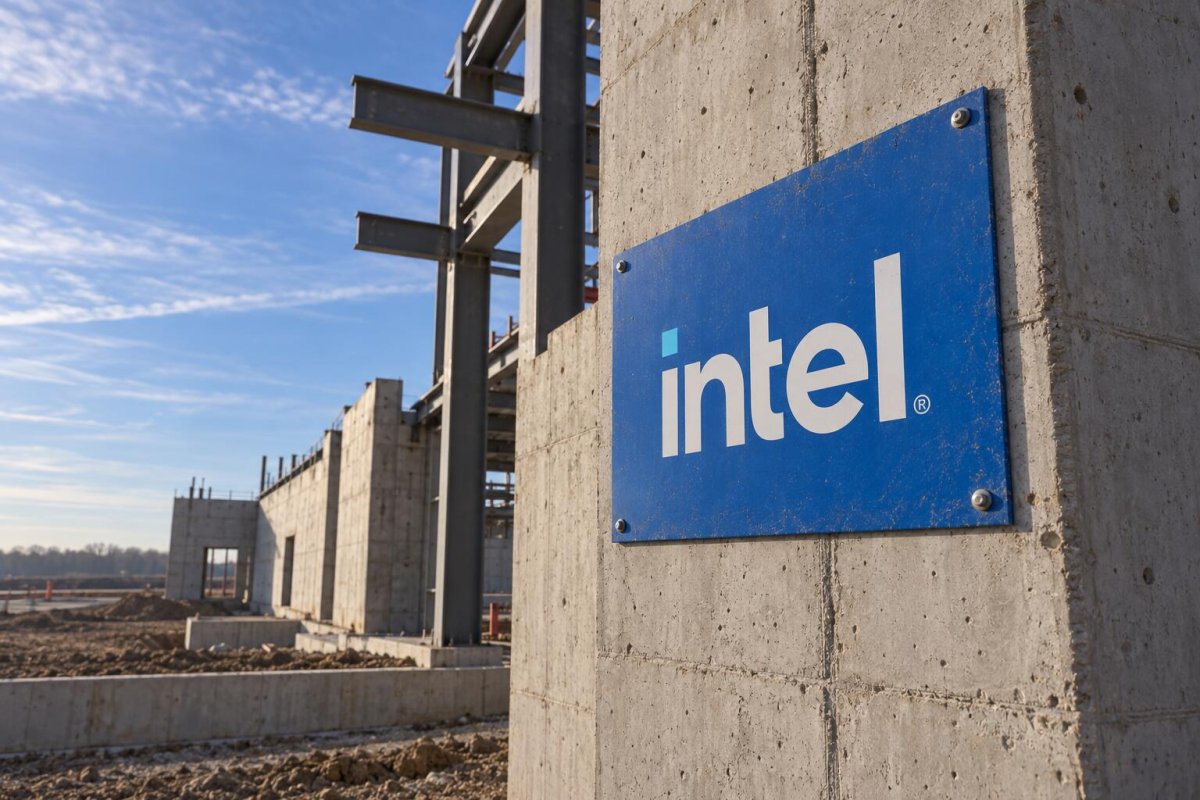
Intel has committed over $28 billion to two leading-edge fabs in New Albany, Ohio. In its February 2025 construction update, the company pushed the first module's completion to 2030, with operations expected in 2030 or 2031. The second module is slated for completion in 2031 and operations in 2032. These dates place the talks in a long-term capital allocation context. A partner could improve site utilization and ease Intel's financial burden, but Ohio would not add memory wafers to address today's AI-driven server shortage.
Memory fabrication requires different process tools and operational expertise compared to Intel's logic fabs, so the funding plan and production schedule are more critical than the headline acreage. SK hynix already has a separate US project: an advanced packaging and research facility in Indiana, which broke ground in August. However, packaging HBM near customers differs from fabricating the underlying memory wafers. An Ohio agreement would thus represent a more substantial expansion of SK hynix's US manufacturing footprint.
Contract Details, Not Rumors, Drive Investment Value
For Intel, an ideal deal would bring outside capital and a committed customer to Ohio while generating attractive infrastructure or manufacturing revenue. A simple low-return lease could help absorb site costs without validating Intel Foundry's process technology. For SK hynix, the trade-off involves gaining US customer access and policy support against higher construction and operating costs, plus the risk that Seoul restricts sensitive technology transfers.
The next material evidence would be a signed term sheet, a named cloud participant, disclosed capital commitments, or a revised Ohio construction schedule. Until such an announcement, Wednesday's share price movement reflects an option on collaboration rather than secured cash flows for either company.