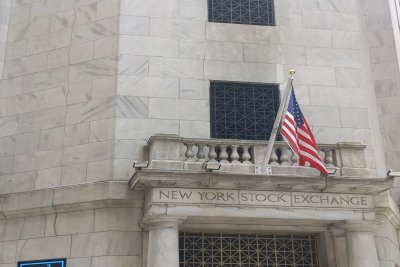
Shares of Intel Corporation experienced a significant decline during Tuesday's trading session, falling 5.3% to close at $43.08. The drop followed the company's announcement that board chair Frank Yeary intends to step down from his position following the annual shareholder meeting scheduled for May 13. After-hours trading showed little movement, with the stock holding steady near its closing price.
Leadership Transition Details
Intel's board has selected Craig H. Barratt to succeed Yeary as independent chair. Barratt, who has served on Intel's board since 2025, brings extensive technology industry experience, having previously led Atheros Communications and later serving as head of Qualcomm Atheros. The transition is scheduled to occur immediately following the May 13 annual meeting.
In a company statement, Intel Chief Executive Lip-Bu Tan acknowledged Yeary's contributions, specifically noting his role in "leading the effort to bring me in" as CEO. Tan added that Intel has taken "decisive actions to strengthen our financial foundation" during this period. Yeary characterized his departure as occurring at "the appropriate time," describing it as part of Intel's ongoing "multi-year effort" to transform its business.
Broader Market Context
The decline in Intel shares occurred against a backdrop of widespread market weakness. Both the S&P 500 and Nasdaq Composite finished in negative territory, with the S&P 500 closing below its 100-day moving average for the first time since November—a technical level closely monitored by traders. The broader selloff was largely attributed to surging oil prices driven by escalating tensions in the Middle East.
According to market analysts, the spike in crude prices has prompted investors to reconsider the Federal Reserve's timeline for potential interest rate cuts. This shift in expectations typically places immediate pressure on rate-sensitive sectors, particularly technology and semiconductor stocks like Intel. Jed Ellerbroek, portfolio manager at Argent Capital Management, told Reuters that the Iran conflict has triggered "a lot of emergency meetings" and made client conversations "skittish" and more "serious."
Intel's Ongoing Challenges
Tuesday's stock movement underscores the limited tolerance investors currently have for company-specific surprises, especially when macroeconomic concerns dominate market sentiment. Intel remains in the midst of a complex turnaround effort, with market participants closely monitoring execution on multiple fronts including manufacturing performance, product development timelines, and competitive positioning against rivals.
The board leadership change represents another shift in Intel's governance structure, following a series of board adjustments over the past year. While leadership transitions can signal strategic shifts, analysts note that a single executive change cannot immediately resolve fundamental challenges such as product delays, competitive pressures from Advanced Micro Devices and Nvidia, and ongoing manufacturing execution issues that directly impact earnings potential.
Investor Focus Shifts Forward
Market attention now turns to upcoming events that could provide further insight into Intel's trajectory. The company is scheduled to present at the Morgan Stanley Technology, Media & Telecom Conference on March 4, as indicated on its investor relations calendar. This presentation may offer updated commentary on business strategy and operational progress.
Following that event, the May 13 annual meeting will serve as the formal transition point for board leadership. Investors will be watching for any additional strategic announcements or governance changes that might emerge alongside the chair transition. In the interim, broader market conditions—particularly oil price volatility and geopolitical developments—are likely to continue influencing technology sector performance, potentially overshadowing company-specific news.
The trading session highlighted how macroeconomic forces can amplify reactions to corporate developments. If crude oil prices continue their upward trajectory and market volatility persists, even significant company announcements risk being "buried" within larger market narratives. For Intel, the path forward involves navigating both internal transformation efforts and external market headwinds that show no immediate signs of abating.