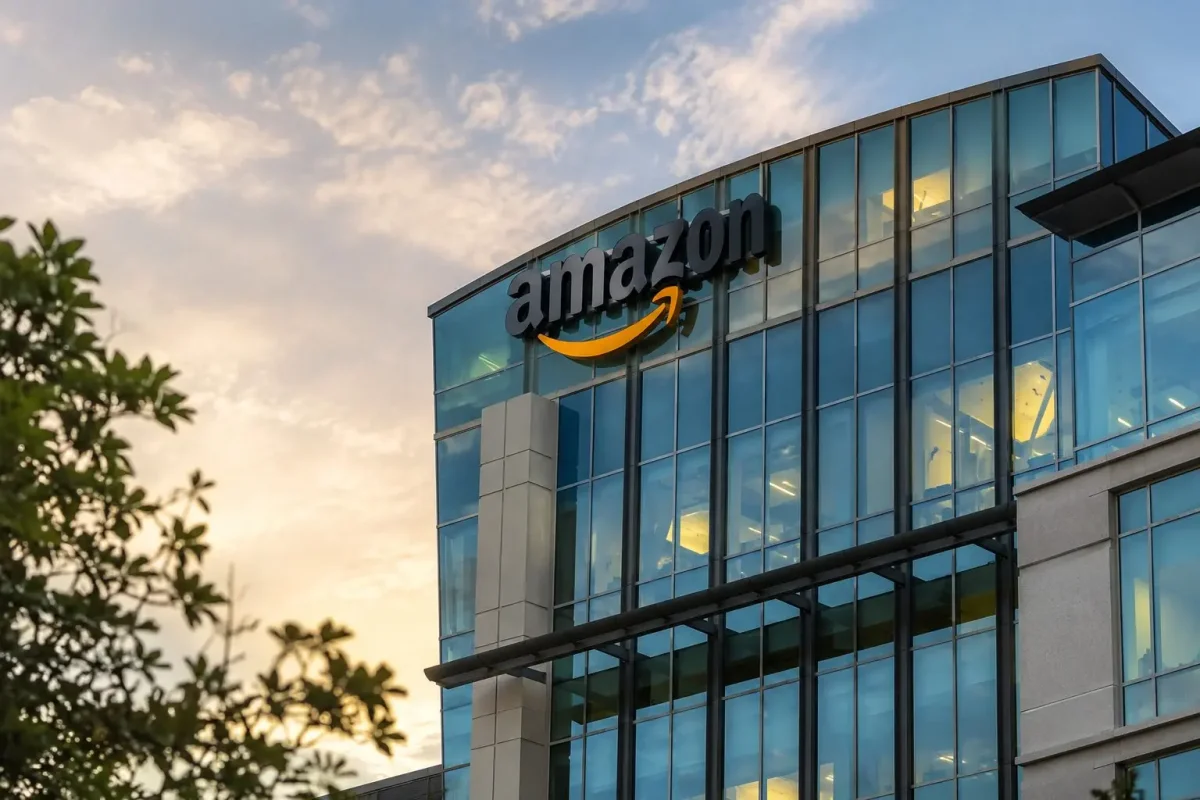
Amazon.com shares declined on Monday, moving in the opposite direction of the broader tech rally, as investors continued to assess the implications of the company's substantial investments in artificial intelligence. The stock fell $9.42, or 3.5%, to close at $261.26, with over 53 million shares changing hands. This move brings Amazon's market capitalization to approximately $2.84 trillion.
Market Context: Tech Benchmarks Hit Records
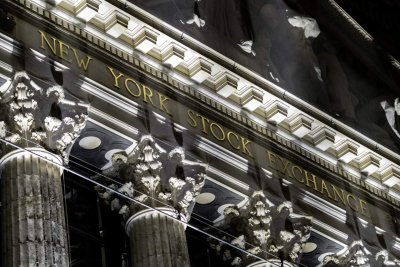
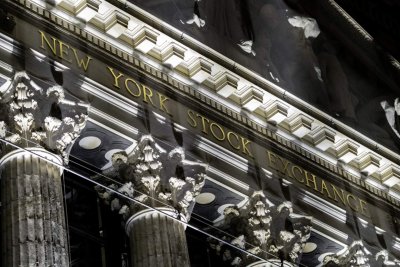
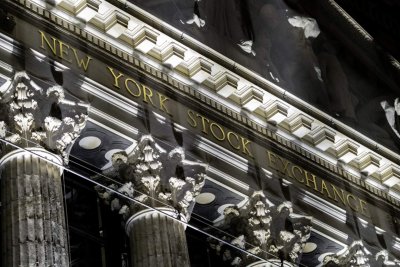
While Amazon stumbled, the Nasdaq Composite rose 0.42% and the S&P 500 added 0.26%, both closing at new all-time highs. The Dow Jones Industrial Average was little changed. Tech shares received a boost from optimism around AI hardware, with Microsoft gaining after Nvidia showcased a new AI chip for PCs, positioning Microsoft as a cloud rival to Amazon Web Services (AWS).
Anthropic IPO Filing Puts Amazon's AI Ties in Spotlight
Anthropic, the AI firm in which Amazon holds a significant stake, announced Monday that it had confidentially filed for an initial public offering (IPO) with the U.S. Securities and Exchange Commission. The company noted that the size and timing of the offering would depend on market conditions and other factors. This development refocused attention on Amazon's deep involvement with Anthropic.
According to Amazon's latest quarterly filing, as of March 31, the company held $42.2 billion in Anthropic convertible notes and $32.0 billion in nonvoting preferred stock. An additional $5.0 billion was invested after the quarter ended. The filing also details a commercial AWS arrangement with Anthropic and a financing facility of up to $20.0 billion, contingent on meeting certain compute-capacity targets.
This relationship gives Amazon a stake in a leading AI startup while securing a major cloud customer for AWS. However, it also ties Amazon's stock more closely to concerns about the cash outflows required before AI investments generate steady returns.
First-Quarter Results: Strong Revenue, but Cash Flow Concerns
Amazon's first-quarter results showed solid top-line growth. Net sales rose 17% year-over-year to $181.5 billion, while AWS revenue surged 28% to $37.6 billion. Net income received a $16.8 billion pre-tax boost from gains on investments tied to Anthropic. However, free cash flow for the trailing twelve months dropped to $1.2 billion, as spending on property and equipment—primarily for AI infrastructure—increased sharply.
CEO Andy Jassy highlighted strong customer demand during the earnings call, noting that AWS is growing at its fastest pace in 15 quarters. He also mentioned that Amazon's chips unit had reached a $20 billion annual revenue run rate.
Wall Street Focuses on Capex Risks
Despite the positive revenue trends, Wall Street remains fixated on Amazon's capital expenditure. Bank of America strategists led by Savita Subramanian described tech capex as the biggest surprise of the year, calling it "bullish for AI semis, but a draw on free cash for the spenders." They advised investors to favor "capex takers" like semiconductor and hardware companies, while avoiding crowded AI spenders where macro risks are escalating.
The divergence among cloud giants is becoming more apparent. While Microsoft shares gained on Monday, Amazon and Alphabet slipped, indicating that the AI trade is no longer moving as a unified block.
Outlook and Key Events Ahead
Anthropic's IPO filing could serve as a valuation benchmark for the AI sector. Wedbush analyst Dan Ives called the move "an opening of the floodgates for the IPO market." Patrick Corrigan, a Notre Dame law professor specializing in IPOs, suggested that public investors might evaluate Anthropic and OpenAI roughly around the same time.
Amazon faces risks if AI demand wanes, data-center expenses continue to climb, or customers delay major cloud deals. Such scenarios could lead to higher depreciation and weaker free cash flow for longer than anticipated. Jassy acknowledged that while returns on AI infrastructure improve over time, when capital spending outpaces revenue, "the early years, free cash flow is challenged."
Traders are now looking ahead to Friday's U.S. jobs data and Broadcom earnings later this week for signals on interest rates and AI server demand. Amazon has guided for second-quarter net sales between $194 billion and $199 billion, which includes the impact of Prime Day.
Amazon shares face a dual test: investors want to see strong cash generation from retail and advertising, along with signs that AWS can convert AI spending into profits before patience runs out. Monday's drop suggests the market remains skeptical.