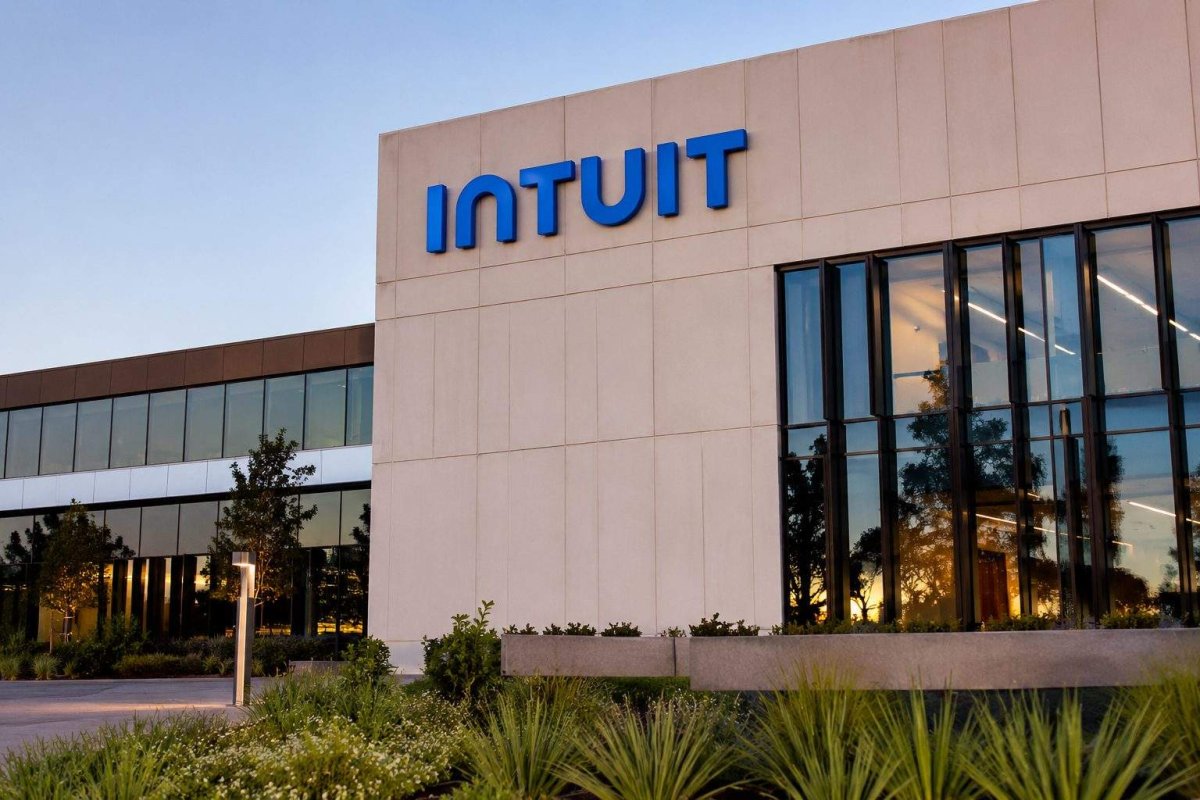
Intuit Inc. (NASDAQ: INTU) is broadening its consumer reach by opening Credit Karma to Americans without any credit history, a move that targets approximately 17 million adults classified as 'credit invisible' or 'thin file.' These individuals either lack a credit report entirely or have insufficient data to generate a standard credit score. The expansion comes just days after the company launched QuickBooks Workforce, a comprehensive human capital management (HCM) solution aimed at small and mid-sized businesses.
Shares of Intuit slipped about 4.4% to $388.85 in early Friday trading, as investors weighed the implications of these product updates amid broader uncertainty about how software firms are integrating artificial intelligence features into their core offerings. The market's reaction suggests a cautious stance ahead of the company's fiscal third-quarter earnings report, scheduled for May 20, which follows the peak U.S. tax season.
Credit Karma's New Frontier
Credit Karma's platform now welcomes consumers who have been historically shut out of traditional credit systems. This cohort often faces significant barriers when renting apartments, setting up utilities, or securing entry-level lending products. To help these users build credit, Credit Karma is offering tools such as Credit Spark, which incorporates on-time utility and phone bill payments into credit reports, and Credit Builder, which tracks consistent deposits into a locked savings account. This initiative could help Intuit attract younger consumers just beginning their financial journeys.
QuickBooks Workforce: A Strategic HCM Move
On May 6, Intuit rolled out QuickBooks Workforce, positioning it as a full-scale HCM solution encompassing hiring, payroll, time tracking, benefits administration, and regulatory compliance. The product builds on QuickBooks Payroll, which currently processes paychecks for 18 million U.S. workers. David Hahn, executive vice president and general manager of Intuit's services group, described the launch as the 'most significant evolution' in the company's HCM capabilities since QuickBooks Online debuted 25 years ago. He highlighted the use of virtual AI agents that can automate payroll and time data management with reduced human intervention.
This expansion places Intuit in direct competition with established players like Automatic Data Processing (NASDAQ: ADP) and Paychex (NASDAQ: PAYX), both of which offer payroll, HR, and compliance services to small businesses. Intuit's differentiator is its integration of workforce functions directly into QuickBooks, a platform many businesses already use for accounting, invoicing, and cash flow management. The financial incentive is clear: in fiscal Q2, Intuit reported a 17% revenue increase to $4.7 billion, with Global Business Solutions growing 18% and Credit Karma revenue climbing 23% to $616 million. CFO Sandeep Aujla expressed 'high confidence' in sustaining double-digit revenue growth for fiscal 2026.
AI Integration and Competitive Risks
Intuit has positioned artificial intelligence as a safeguard for its core businesses. In February, Reuters reported that the company signed multi-year agreements with Anthropic and OpenAI to embed their AI models into Intuit's platforms, while also integrating Intuit's expertise in tax, finance, accounting, and marketing into Claude and ChatGPT. However, Intuit's most recent quarterly filing acknowledged risks from rising competition, with rivals potentially leveraging AI to erode demand for its offerings. The company also noted that unpredictable shifts in AI development and deployment could harm its business or reputation.
Market Implications and Outlook
The success of these initiatives hinges on execution. Credit Karma's broader reach could help Intuit capture younger, credit-building consumers, while QuickBooks Workforce may tighten its hold on small-business payroll and HR budgets. The key question remains whether these moves will translate into revenue growth when Intuit reports fiscal Q3 results on May 20. With the stock under pressure and the competitive landscape intensifying, investors will be closely watching for signs of sustained momentum.