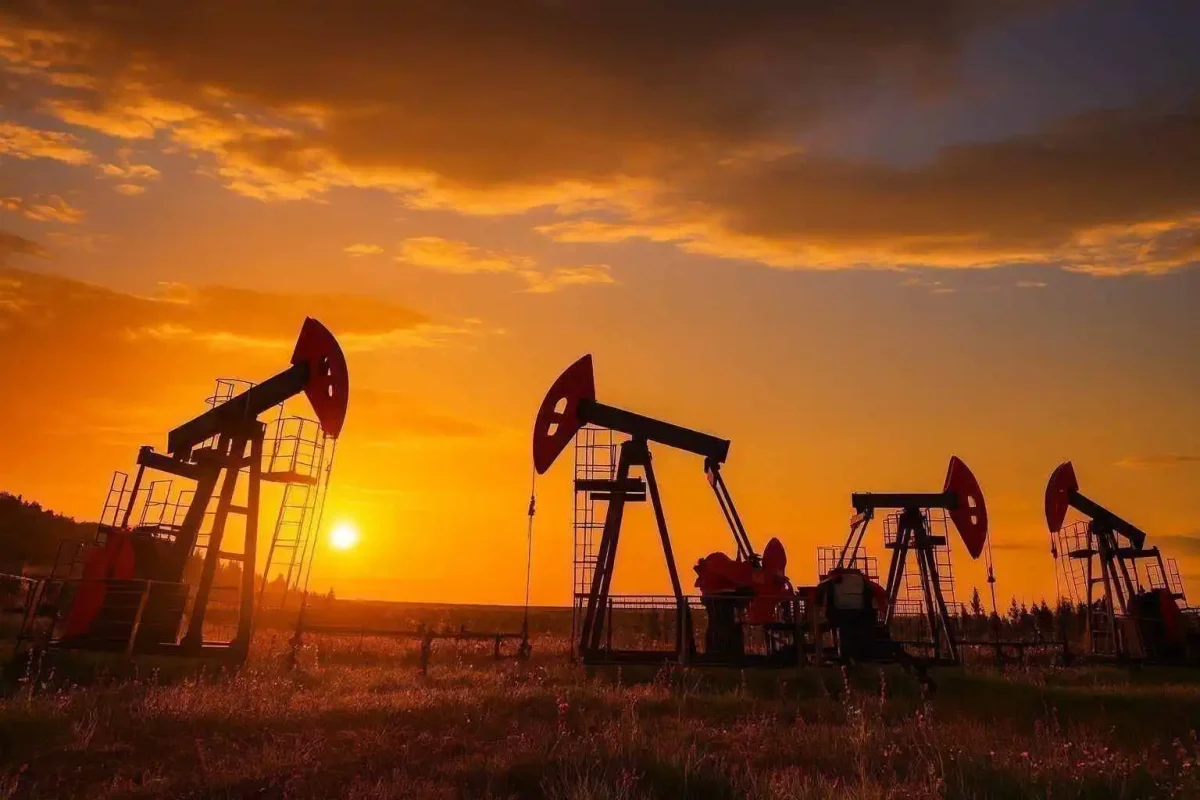
The economic repercussions of the ongoing conflict in Iran escalated sharply on Friday, with Brent crude oil sustaining a price above $100 per barrel. The International Energy Agency characterized the situation as the most significant oil supply disruption ever recorded by global markets. May Brent futures advanced 1% to $101.48 by 0730 GMT, positioning the contract for a weekly gain approaching 10%.
The crisis has rapidly expanded beyond the energy complex. Jet fuel prices have doubled, compelling airlines to implement fare increases. Concurrently, China has initiated an early release of nitrogen, phosphate, and compound fertilizers from its commercial reserves, a move timed just ahead of the critical spring planting season. These developments are amplifying existing inflation concerns, leading traders in the United States and Europe to scale back expectations for imminent interest rate cuts.
Historic Supply Shortfall
The IEA projects global oil supply will decline by a staggering 8 million barrels per day in March, equivalent to roughly 8% of total world demand. The agency cautioned that despite a coordinated release of a record 400 million barrels from emergency stockpiles, market normalization could require weeks or even months. The strategic Strait of Hormuz, a conduit for approximately one-fifth of global oil and gas shipments, remains a critical chokepoint. Jim Burkhard of S&P Global Energy summarized the market condition as "seriously unbalanced," a status likely to persist until the strait reopens and regional production and refining operations resume.
Consumers are confronting the direct impact. The U.S. national average price for gasoline reached $3.60 per gallon on Thursday. Analysts suggest strategic reserve releases may only temper, not halt, the upward trajectory of oil prices. The market is fundamentally grappling with the loss of substantial daily supply from the Middle East.
Transport and Trade Under Strain
Logistical pressures are intensifying. Over 100 container vessels are currently immobilized near the Strait of Hormuz. Data from Freightos indicates air cargo rates from South Asia to Europe have surged to $4.37 per kilogram, up sharply from $2.57 prior to the conflict. This has prompted exporters, including pharmaceutical companies, to shift high-value shipments from sea to air. Air freight, which constitutes about one-third of global trade by value, is experiencing unprecedented demand.
Airlines are moving swiftly to mitigate soaring fuel expenses. Air France-KLM announced a surcharge of 50 euros on long-haul economy round-trip tickets, following similar warnings and actions from carriers like SAS and Qantas. Analysts note that low-cost airlines face heightened risk due to their customer base's acute sensitivity to price increases.
Agricultural and Industrial Ripples
The supply shock is reverberating into core industrial and agricultural sectors. China's decision to tap fertilizer reserves at least 15 days ahead of schedule underscores concerns over crop inputs. Simultaneously, Sinopec, the world's largest refiner by capacity, is preparing to reduce its crude processing volumes in March by more than 10%, citing supply shortages linked to the Hormuz disruption.
Asian economies are bearing the initial brunt. South Korea, which sources approximately 70% of its oil and 20% of its liquefied natural gas from the Middle East, is considering additional energy subsidies and boosting nuclear and coal power generation. India's rupee fell to a historic low on Friday, while ASEAN ministers confirmed the economic shock is already manifesting across Southeast Asia.
Global Market and Policy Response
While European officials indicate limited immediate vulnerability to physical oil shortages—citing Norway and the United States as primary suppliers—price volatility is delivering a severe blow. Regional natural gas prices have jumped nearly 60% this month. With governments lacking the fiscal capacity seen during the 2022 energy crisis, traders are beginning to price in the potential for another interest rate hike from the European Central Bank before year-end.
Investor sentiment has turned cautious. Global equity funds witnessed outflows of $7.05 billion in the week through March 11, the largest withdrawal since mid-December, as markets reassess the conflict as a persistent drag on growth amid stubborn inflation.
The duration of the disruption remains the key variable. The IEA noted efforts by Saudi Arabia and the United Arab Emirates to reroute oil via alternative channels, which could bolster supply by April. Some early spikes in air freight rates have moderated as airlines restore capacity and limited Gulf activity resumes. However, Goldman Sachs analysts warn that if the turmoil persists for two months, their fourth-quarter Brent price forecast could leap to $93 per barrel, a significant increase from a previous estimate of $71.