U.S. drivers are bracing for a rise in fuel costs this week as geopolitical tensions in the Middle East send shockwaves through global oil markets. Military strikes on Iran over the weekend have heightened concerns over the security of critical shipping lanes, directly impacting energy prices and supply chains.
The immediate market reaction was sharp, with Brent crude oil, the international benchmark, surging approximately 10% in off-exchange trading on Sunday. Prices approached $80 per barrel, a significant jump from Friday's settlement of $72.48. This pre-market activity signals potential volatility when formal trading resumes on the New York Mercantile Exchange (NYMEX) at 6:00 PM Eastern Time.
The core of the disruption lies in the Strait of Hormuz, a vital maritime chokepoint through which about a fifth of the world's seaborne oil passes. In response to the escalating situation, Iran issued warnings for vessels to avoid the area. Heeding this, several major tanker operators, oil firms, and trading groups have suspended shipments of crude, refined fuels, and liquefied natural gas (LNG) through the strait. Notably, German shipping giant Hapag-Lloyd has halted transits indefinitely, while Maersk is consulting with security partners.
Analysts warn that the duration of these shipping disruptions will be the key determinant for oil prices. Ajay Parmar of ICIS linked the Sunday rally directly to "the closing of the Strait of Hormuz," cautioning that a prolonged closure could push prices toward $100 per barrel. This is despite recent agreements by OPEC+—the alliance of OPEC nations and allies like Russia—for only a modest production increase beginning in April.
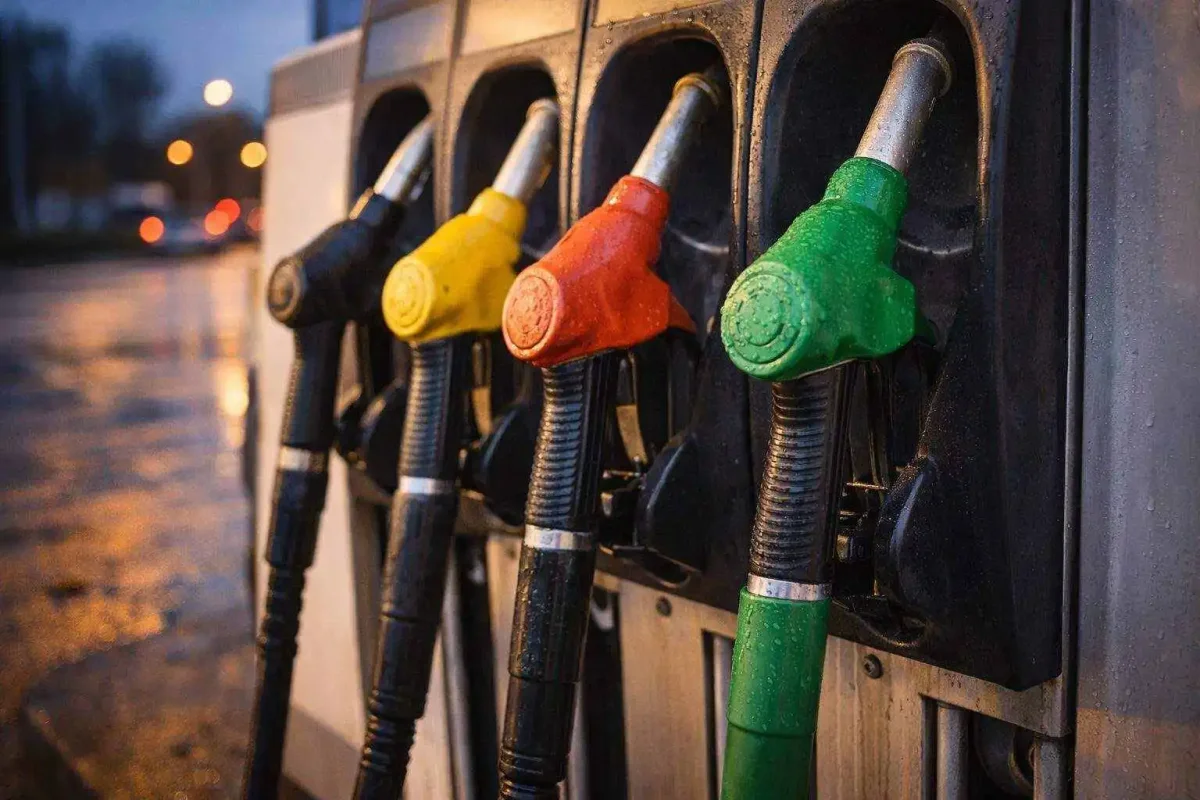
The impact on American consumers is expected to materialize at the gasoline pump. Patrick De Haan of GasBuddy predicts the national average could surpass $3 per gallon this week. However, he notes the increase will likely be gradual, as retail stations adjust with a lag to wholesale price movements. The national average stood at $2.98 per gallon last week, according to AAA.
Translating crude oil spikes into final pump prices is complex. De Haan estimates that for every $5 to $10 increase in crude, U.S. gasoline typically rises 15 to 25 cents per gallon. Bob McNally, a former White House energy adviser, anticipates crude futures could jump $5 to $7 per barrel at Sunday's reopen. The situation is further complicated by the seasonal transition to more expensive summer-grade gasoline, which alone exerts upward pressure.
Market expectations remain wide-ranging. Analysts at Eurasia Group see a potential $5 to $10 increase from a $73 base if hostilities continue, while Barclays has flagged the possibility of Brent spiking to $100. Vishnu Varathan of Mizuho suggested a 10% to 25% price premium is "not outlandish" even without a full blockade, reflecting the significant risk premium being priced into markets.
The International Energy Agency (IEA) is closely monitoring the situation. IEA chief Fatih Birol noted that supplies have been resilient so far, but tanker-tracking data from S&P Global on Sunday showed no crude or product tankers entering the main Hormuz routes, underscoring the immediate logistical impact.
Investors and traders will scrutinize several data points in the coming days. Following the NYMEX reopen, attention will turn to the U.S. equity market open on Monday and, crucially, the weekly petroleum inventory report from the U.S. Energy Information Administration (EIA) due Wednesday, March 4. These figures will provide the first official glimpse into how the tensions are affecting U.S. stockpiles of crude and gasoline.
While the direct conflict is overseas, the interconnected nature of global energy markets means U.S. gasoline prices are vulnerable to supply shocks anywhere. With crude oil accounting for over half of the cost of a gallon of gas, the recent surge sets a firm foundation for higher costs for American consumers in the near term.