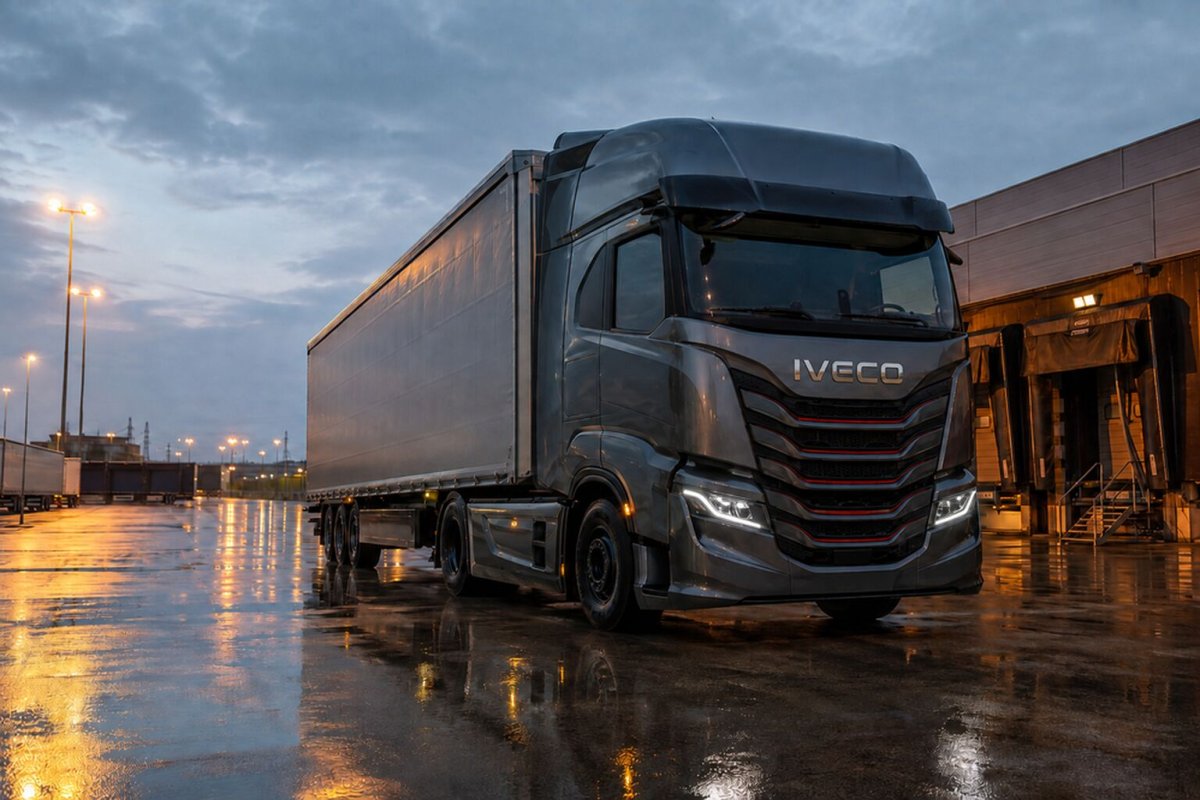
Turin, September 6, 2026 – Iveco Group (BIT: IVG) enters Monday's tender period with shares closing at €14.04, just six euro cents below the €14.10 cash consideration offered by Tata Motors (NSE: TMCV). The narrow spread underscores the market's near-certainty that the €21 billion truck combination will close, leaving minimal room for error for arbitrageurs.
An investor purchasing 1,000 shares at Friday's close would lay out €14,040 and receive €14,100 upon successful completion—a gross gain of €60 before fees and taxes. That translates to a 0.43% return over the tender period, or roughly 3.2% on an annualized basis if the deal concludes by the stated October 26 deadline. However, actual settlement is expected later, making that figure a theoretical ceiling rather than a guaranteed yield.
Six-Cent Spread Reflects High Confidence
The six-cent gap between the market price and the offer is the story. It indicates that investors assign a very high probability to the deal's completion, leaving little compensation for the risk of a failed condition or the opportunity cost of tying up capital. The market is effectively offering a modest prize, not a windfall.
The offer's terms are straightforward: Tata Motors will pay €14.10 in cash for each Iveco share tendered. The acceptance period runs from September 7 through October 26. All regulatory clearances—including competition, foreign-investment, foreign-subsidy, and financial authorizations—have been obtained, according to the joint offer announcement.
Key Shareholder Mechanics
Exor (AMS: EXO), which holds a 27.06% economic stake and 43.19% of voting rights, has irrevocably committed to tendering its shares. Iveco's board recommends acceptance, with CEO Olof Persson citing "the many benefits of this transformational combination."
Despite this strong backing, the deal is not without procedural hurdles. The offer includes a 95% minimum acceptance condition, which automatically falls to 80% if shareholders approve a back-end resolution at Iveco's extraordinary general meeting on October 16. If acceptance reaches 95% or more, Tata plans a Dutch legal squeeze-out. Between 80% and 95%, it intends to pursue a post-offer demerger and liquidation, subject to shareholder approval.
Dividend Already Paid, Don't Double Count
Investors should note that Iveco already distributed approximately €1.55 billion to shareholders on April 22, proceeds from the sale of its defence business. That payment is in the past; the current trade is simply the €14.10 tender against the €14.04 share price. Adding the old dividend again would overstate the potential return.
The company is not an empty shell, however. Iveco reported second-quarter revenue of €3.764 billion, up 7.3% year-over-year. Industrial adjusted EBIT fell to €104 million from €143 million, and industrial free cash flow was negative €45 million. Available liquidity stood at €4.432 billion. Management expects a gradual profit recovery in the second half but warns of weaker light-commercial-vehicle demand. European medium- and heavy-duty order intake jumped 47% year-on-year, providing some underlying strength should the deal falter.
Thin Arbitrage, Asymmetric Risk
The combined entity would boast roughly €21 billion in revenue and annual sales above 590,000 vehicles, with Europe contributing about 46% of revenue and India 32%. At the original announcement, Reuters Breakingviews estimated the non-defence business was valued at just over three times forecast fiscal-2026 operating income—roughly one-third of the multiple assigned to Tata's commercial-vehicle unit by Motilal Oswal analysts.
Iveco's board has deemed €14.10 financially fair, citing opinions from Goldman Sachs Bank Europe and Rothschild & Co. Goldman's opinion is for the board, not a tender recommendation to holders. The principal risk is asymmetric: success caps the gross gain at six cents from Friday's close, while a failed offer would expose shareholders to standalone earnings, demand, and cash-flow risks without a contractual floor.
For now, Iveco trades more like a short-dated corporate claim than a truckmaker. The six-cent gap signals strong confidence—and how little room remains for anything to go wrong.
