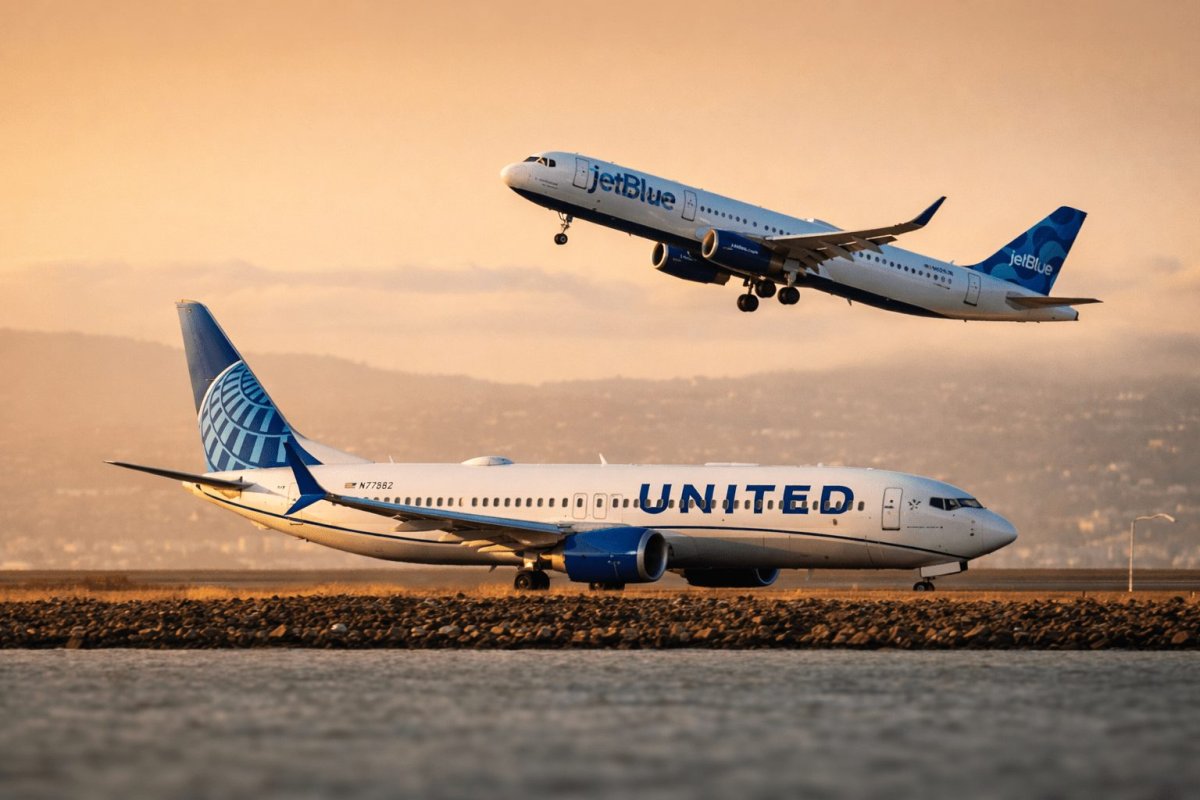
JetBlue Airways and United Airlines have activated a significant new phase of their strategic "Blue Sky" collaboration, enabling customers to book eligible flights operated by either carrier directly through the other's digital platforms. The cross-booking functionality went live on Tuesday, February 10, 2026, marking a pivotal expansion beyond shared loyalty benefits into core ticketing operations.
Expanding Network Access and Customer Choice
This development allows both airlines to substantially enhance their route offerings without pursuing a full merger or complete network integration. For JetBlue, the partnership provides a conduit to United's extensive domestic and international network. Conversely, United gains improved access to JetBlue's stronghold in leisure-focused markets. Travelers browsing JetBlue.com, United.com, or the respective mobile applications will now encounter a combined selection of flight options, though the service is currently limited to eligible itineraries operated by a single airline per trip.
Payment flexibility is a cornerstone of the rollout. Customers can complete bookings using traditional cash payments or by redeeming loyalty currency—TrueBlue points via JetBlue's channels and MileagePlus miles through United's platforms. The airlines emphasize this move simplifies travel planning across two major networks, a point underscored by United Chief Commercial Officer Andrew Nocella and JetBlue President Marty St. George, who called it an "important step" for customer loyalty opportunities.
Strategic Background and Regulatory Context
The Blue Sky partnership, first announced in May 2025, was structured as a joint consumer venture requiring approval from U.S. regulators. This alliance emerged as a strategic alternative for JetBlue following the judicial termination of its Northeast Alliance with American Airlines in 2023. The current arrangement operates under an interline agreement, meaning each airline maintains its own brand and flight numbers while selling seats on the other's flights. This offers commercial flexibility without the deeper integration of a codeshare, though the companies indicate single-ticket itineraries are a planned future enhancement.
Planned Enhancements and JFK Slot Agreement
The airlines have outlined a multi-phase roadmap for 2026. Additional features slated for introduction later this spring include reciprocal perks such as priority boarding and access to preferred and extra-legroom seats. Furthermore, United's MileagePlus Travel platform is scheduled to integrate with JetBlue's Paisly platform in 2026, expanding offerings to include hotels, rental cars, cruises, and travel insurance.
A critical component of the partnership involves airport infrastructure. The carriers have reaffirmed a joint strategy to grow United's presence at New York's John F. Kennedy International Airport (JFK). JetBlue will grant United access to up to seven daily round-trip slot pairs at the new Terminal 6, potentially commencing in 2027. These slots, which govern takeoff and landing rights at capacity-constrained airports, are a valuable asset in the competitive New York market.
Caveats and Distribution Synergies
Despite the expanded access, limitations exist. Not all JetBlue routes are available for booking on United's website, and the ability to earn or redeem MileagePlus miles is not universal across all flights. The airlines also note that award seats are "capacity-controlled," meaning availability on high-demand flights may be limited.
The partnership also unlocks new distribution channels. United flights are now included in JetBlue Vacations' Flight + Hotel bundles, with cruise packages to follow. This provides United with an additional sales outlet and equips JetBlue with more robust packaged leisure products to market to travelers.
The success of this initial phase will inform the rollout of subsequent stages. The airlines plan to monitor customer adoption and the seamless nature of the cross-booking experience closely, with future enhancements contingent on meeting performance and timeline objectives.