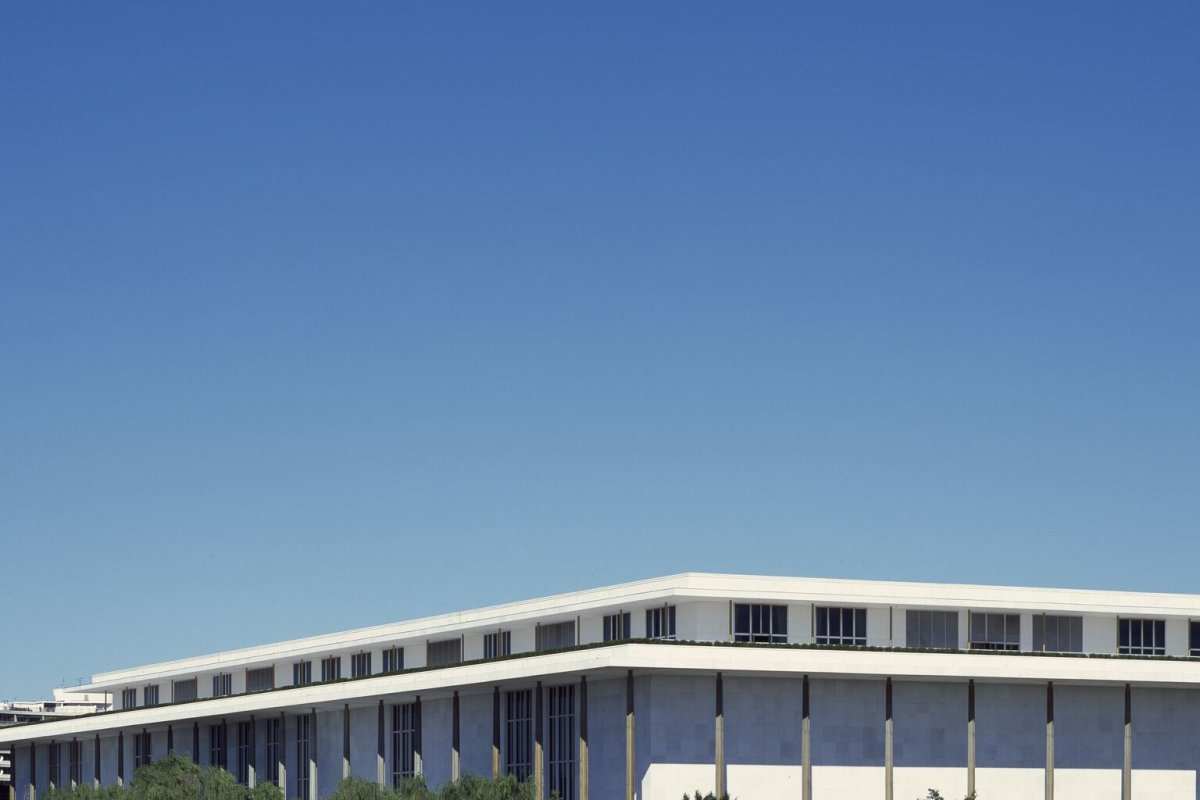
The John F. Kennedy Center for the Performing Arts will shutter its principal venue for an extensive two-year renovation, following a board vote on Tuesday. The decision, which took effect by late afternoon, marks an abrupt pause for one of the nation's most prominent cultural institutions.
The renovation is backed by a federal appropriation of $256.657 million, earmarked for capital repairs, restoration, and security upgrades. However, this funding is strictly for construction and does not address the center's immediate operational cash-flow challenges. Internal forecasts reviewed by The Washington Post indicate that by May, the center had collected only about $124 million of its $220 million budgeted revenue for the fiscal year ending September 30, leaving a projected $23 million deficit even after significant expense reductions.
Operating vs. Capital Funding
The distinction between capital and operating funds is critical. The congressional appropriation, available through September 30, 2029, covers physical infrastructure but cannot be used to offset weak ticket sales or private donations. Administrative costs are capped at 3% of the total, further limiting flexibility.
Closing the main building may expedite the renovation and reduce some venue-related expenses, but it also removes the center's largest stages from use. Programming will shift to the REACH campus and other off-site locations, including the National Symphony Orchestra's performances and major events like the Kennedy Center Honors and Mark Twain Prize. The center has not yet provided a detailed financial bridge showing how much revenue the relocated programming will retain or what the relocation will cost.
Political and Legal Context
The closure decision comes amid ongoing legal and political friction. U.S. District Judge Christopher Cooper recently blocked the institution from adding President Donald Trump's name to the building without congressional approval. The Justice Department has appealed, and Trump stated on social media that repairs would only proceed if the naming plan could move forward. The board, aligned with Trump, approved the closure hours after the court ruling.
Financial and Market Implications
For investors, the near-term impact is limited. No prime contractor or major public-company award has been announced, so the closure does not yet signal incremental revenue for listed construction or supply firms. The key metrics to watch are whether repair contracts are awarded, whether the operating deficit narrows, and whether the center can sustain audience and donor support through 2028.
The capital appropriation reduces the risk that essential repairs go unfunded, but it does not resolve the institution's day-to-day financial strain. The center's unusual financing structure, including historical parking revenue bonds held by the U.S. Treasury, underscores its reliance on federal support and self-generated income.
As the renovation proceeds, the cultural and economic ripple effects on Washington's arts community and local businesses remain to be seen. The center's ability to maintain its artistic mission while navigating financial and political headwinds will be closely watched by stakeholders.
