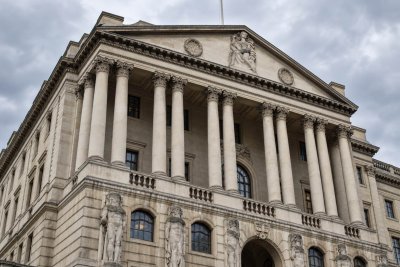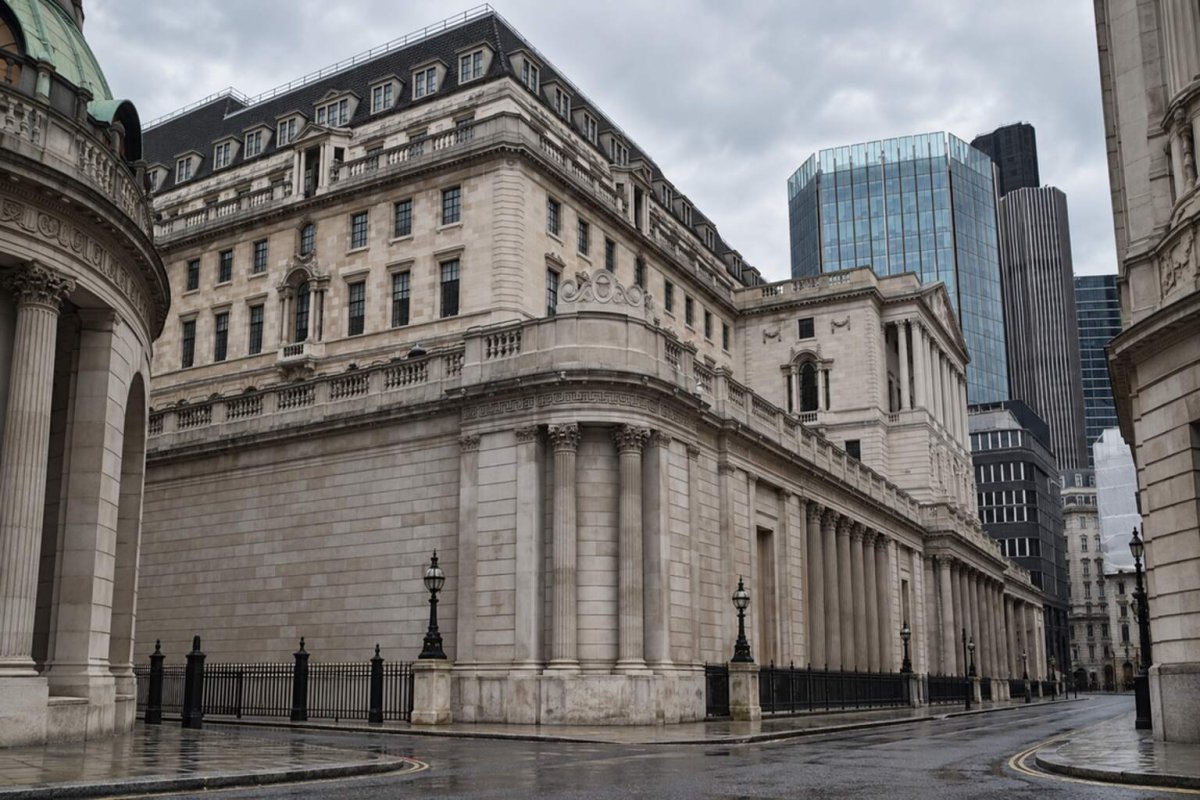
UK mortgage pricing is moving higher ahead of the Bank of England's September policy decision, reflecting rising wholesale funding costs rather than an immediate change in the central bank's benchmark rate. Major lenders including NatWest, Santander, HSBC, Lloyds Bank, and TSB have raised selected mortgage rates for the second time this month, according to an industry report citing data from Moneyfacts. Nationwide and other building societies have also repriced their offerings.
The average two-year fixed mortgage rate has climbed to 5.73%, up from 4.84% at the start of March. The increase underscores the fact that fixed-rate mortgages are priced off wholesale funding costs and interest-rate swaps, not solely the current policy rate. Moneyfacts noted that swap rates have moved above 4.70%, signaling that lenders are responding to market expectations rather than waiting for the Bank of England's vote. The BoE's next decision is scheduled for September 17, with Bank Rate still at 3.75% as of the latest announcement.
Borrower Impact: Higher Monthly Payments
The impact on borrowers is already measurable. For a £250,000 repayment mortgage over 25 years, the rise from 4.84% to 5.73% increases the calculated monthly payment from approximately £1,438 to £1,570. That translates to an extra £131 per month, or roughly £1,578 a year, before fees. This calculation assumes the quoted rate applies for the entire comparison period; in practice, borrowers would refinance when their fixed term expires.
The broader Moneyfacts average for new mortgages now stands at 5.68%, up from 4.90% in March. Product withdrawals add another layer of risk for borrowers: a returning deal may carry a higher coupon even if the central bank leaves Bank Rate unchanged. The same report cited a Bank of England estimate that 750,000 households have a fixed-rate deal expiring in 2026 while paying less than 3%.
Inflation Pressures Support Higher Rates
Inflation is giving lenders a reason to protect their pricing. The Office for National Statistics reported that CPI rose 3.1% in the year to August, up from 2.9% in July, with transport costs led by motor fuels making the largest upward contribution. While this does not dictate the Monetary Policy Committee's vote, it makes a quick reversal in wholesale rate expectations harder to assume.
The combination of rising mortgage rates and persistent inflation suggests that the BoE may need to maintain a cautious stance. However, the central bank's decision will depend on a range of factors, including wage growth, services inflation, and broader economic activity.
Bank Stocks: A Mixed Read
Despite the upward repricing of mortgages, UK bank shares closed higher on September 16. NatWest finished at 702.2p, up 1.9%; Lloyds ended at 111.25p, up 2.2%; and HSBC closed at 1,507.8p, up 0.3%. These are London closing prices at 4:30 p.m. BST, measured against the prior close.
The optimistic interpretation is that banks can put new mortgage assets on their books at higher yields, supporting net interest income if deposit and wholesale funding costs rise more slowly. The counterargument is equally important: a higher advertised rate can reduce completions, intensify competition for the best borrowers, and increase stress when older sub-3% fixes expire. Repricing protects a lender's margin on an individual loan; it does not guarantee more profitable loan volume.
What to Watch Next
The next useful evidence will come from two places. First is the Bank of England's vote and guidance. Second is the lenders' response after the decision: further withdrawals would imply that the swap curve, not merely pre-meeting caution, is driving the reset. A return of cheaper deals would point the other way. For bank shareholders, that follow-through is more informative than one day's share-price gains.
In the meantime, borrowers face a more expensive refinancing environment, and the housing market could see cooling demand as affordability deteriorates. The coming months will be critical in determining whether the current repricing is a temporary adjustment or the start of a sustained upward trend in mortgage costs.