Average fixed mortgage rates for UK homebuyers with 5% deposits rose to 5.14% on September 12, according to Rightmove's latest tracker, intensifying affordability pressures just three days before the Bank of England's (BoE) policy meeting. Both the average two-year and five-year fixed rates at 95% loan-to-value (LTV) hit 5.14%, up sharply from 4.97% and 4.98% respectively a week earlier.
This brisk repricing for borrowers with the smallest deposits comes even though the BoE's policy rate has remained at 3.75% since December. The increase is not confined to high-LTV loans. Rightmove's data, which covers 21 lenders and roughly 95% of the mortgage market, shows the average two-year fixed rate at 90% LTV rose seven basis points to 4.92%, while the comparable five-year rate jumped 18 basis points to 4.93%. At 85% LTV, the two-year average increased 12 basis points to 4.82%.
For context, a £200,000 repayment mortgage over 25 years at 5.14% would cost about £1,186 a month, compared with roughly £1,166 at 4.97% — a near-£20 monthly difference. While modest in isolation, this comes on top of a large refinancing wave and could tip affordability tests for borrowers already close to lenders' limits.
Thursday's Decision: Guidance Over Rate Move
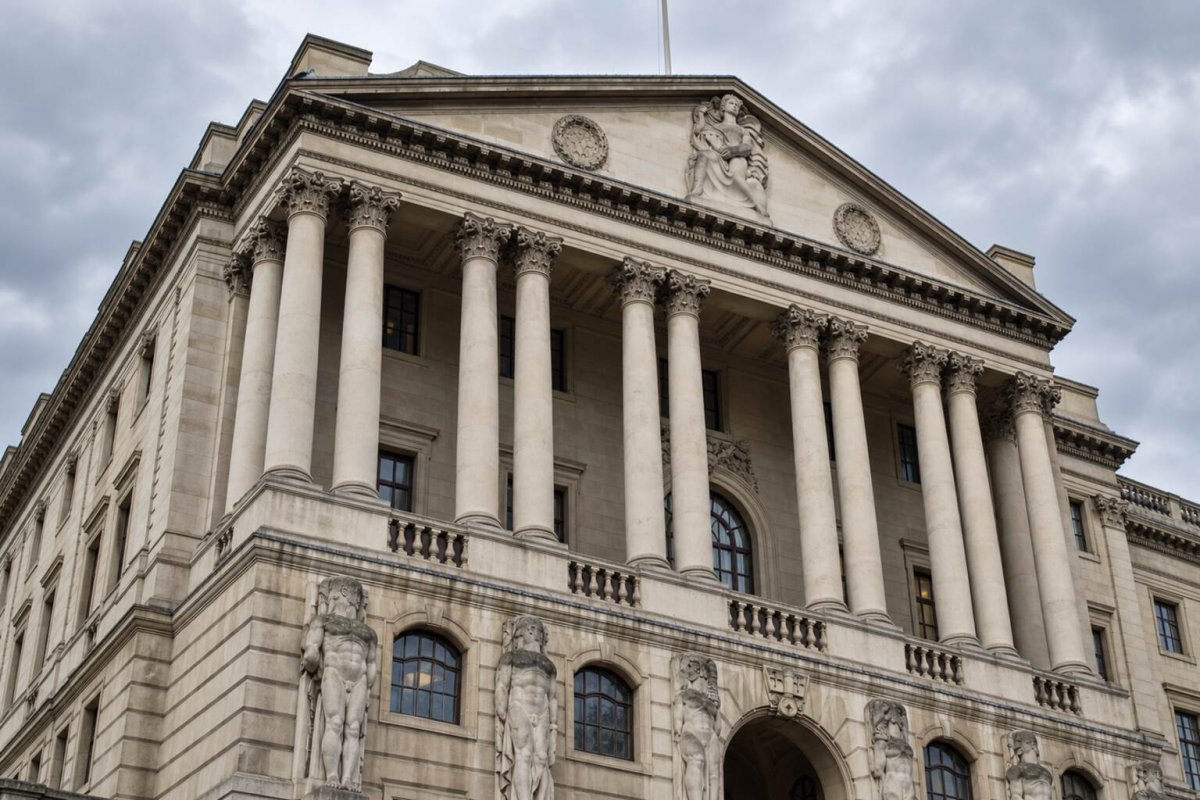
The Bank of England will announce its next policy decision on Thursday, September 17. Fixed mortgage prices respond more directly to swap rates than to the current policy rate, so lenders can adjust offers before the Monetary Policy Committee (MPC) acts. Borrowers should therefore watch the vote split and the Bank's language on inflation, not just the headline decision.
The BoE's July policy report noted that mortgage reference rates had been volatile and that recent increases were beginning to pass through to quoted products. It estimated that about five million households would see payments rise by the end of 2028. For a typical owner-occupier coming off a fixed deal within two years, the projected monthly increase was about £45 greater than the Bank expected before the Middle East energy shock.
Balance-Sheet Data Show Mortgage Market Stakes
Fresh balance-sheet data underscore why the mortgage channel matters for banks and the housing market. The BoE's second-quarter mortgage statistics put outstanding residential loans at £1.761 trillion, up 3.1% year-on-year. Gross advances rose 11.1% from the first quarter to £77.4 billion, while the share of lending above 90% LTV reached 8.4% — the highest since the second quarter of 2008.
That mix creates two opposing effects for listed lenders. Higher new-business rates can support asset yields, but weaker affordability can slow originations and eventually lift arrears. The September BoE Agents' summary said lenders were competing for new customers and encouraging earlier refinancing, while higher mortgage rates continued to weigh on demand for new-build homes.
A Nuanced Picture
The strongest counterpoint is that high-LTV pricing does not describe the whole market. Borrowers with larger deposits generally receive lower rates, and competition can compress lender spreads even when swaps rise. The BoE also reported that 94.5% of second-quarter mortgage advances carried rates less than two percentage points above Bank Rate. Credit is more expensive, but it is still widely available.
The near-term test is whether Thursday's policy message steadies the swap curve. A hold accompanied by concern about energy-driven inflation could keep fixed offers under upward pressure. A softer inflation assessment could allow lenders to reverse part of September's increase. For borrowers whose deals expire soon, the practical signal will be whether two- and five-year offers stop rising after the decision, not whether Bank Rate itself changes this week.